Celebrating 35+ Years

What Is Non Woven Wallpaper? Benefits and Uses
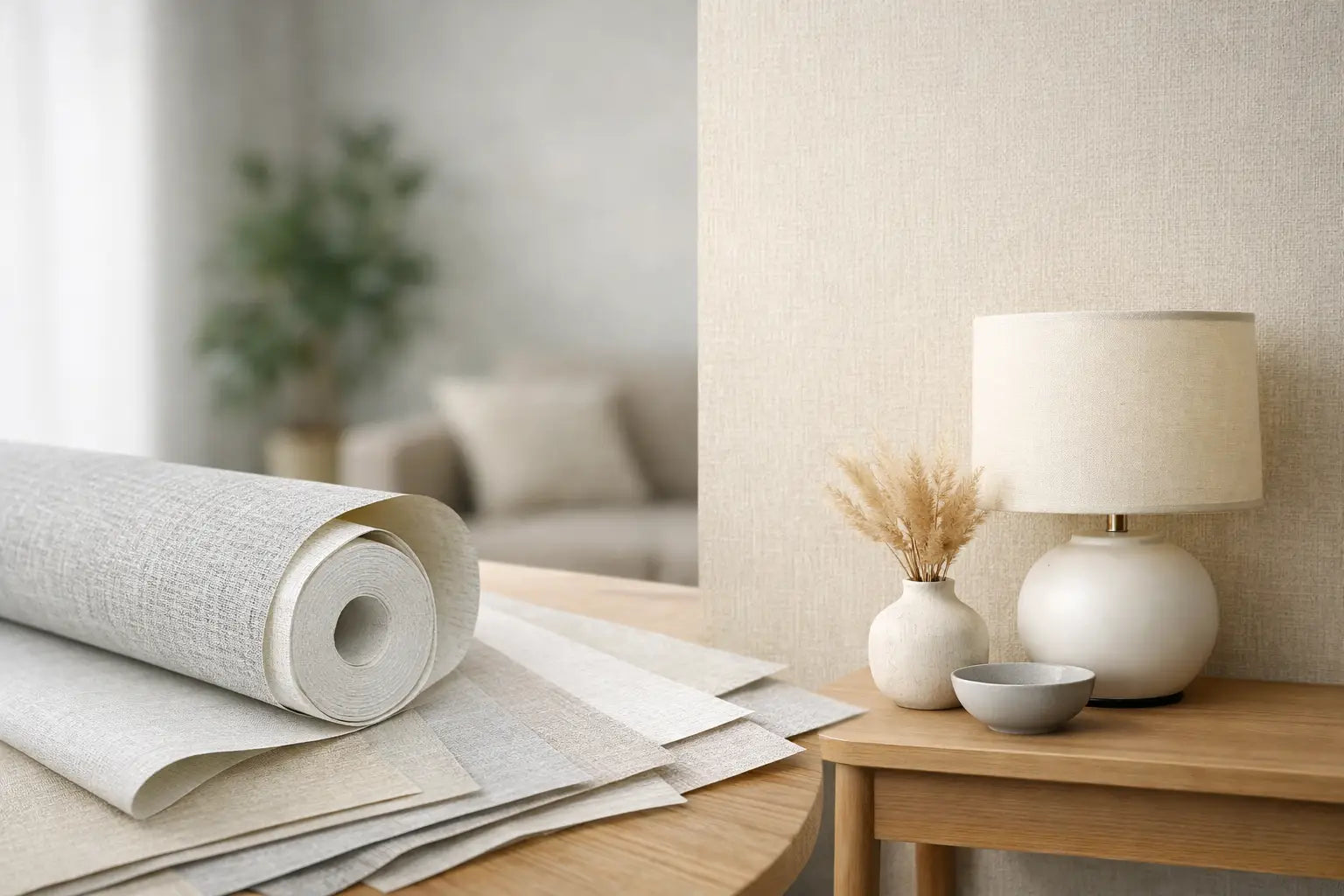
A wallpaper pattern can change the entire feeling of a room, but the material behind that pattern matters just as much. So, what is non woven wallpaper? It is a wallcovering made with a blend of synthetic and natural fibers pressed together into a stable, breathable backing. It is designed to be easier to hang, more forgiving to remove, and less likely to expand or shrink than many traditional paper wallpapers.
For homeowners who want a polished feature wall, a restful bedroom, or a more memorable powder room without making installation harder than it needs to be, non-woven wallpaper is often a smart place to start. It is available in everything from quiet linen-like textures to bold botanicals, geometrics, traditional damasks, and colorful modern prints.
What Is Non Woven Wallpaper Made Of?
Non-woven wallpaper does not use a woven fabric backing. Instead, its fibers are bonded together, usually with a mix of cellulose-based materials and polyester or other synthetic fibers. Think of it as a high-performance paper-like material: it has a soft, substantial feel, but it holds its shape better than conventional paper wallpaper.
That structure is what gives non-woven wallcovering many of its practical advantages. It is breathable, which can help reduce the chance of moisture becoming trapped behind the paper in normal indoor conditions. It is also dimensionally stable. In plain terms, it generally will not stretch when paste is applied and then contract as it dries, a common source of gaps or misaligned seams with more delicate materials.
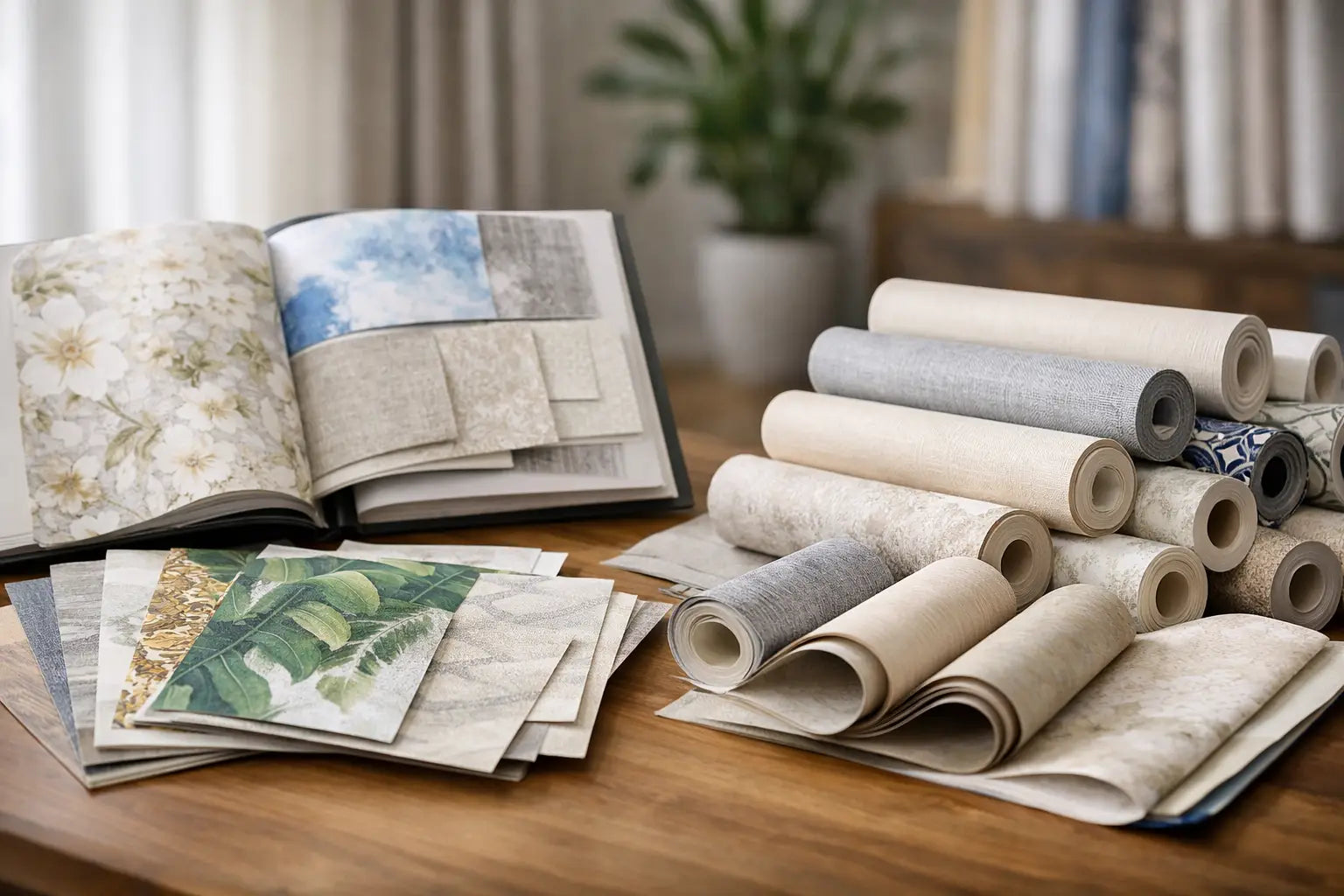
The surface of a non-woven wallpaper can vary widely. Some have a smooth printed finish, while others mimic grasscloth, plaster, linen, woven textiles, or painted texture. A non-woven backing may also appear beneath vinyl wallpaper, combining vinyl's wipeable surface with the easier handling of a paste-the-wall installation.
Why Non-Woven Wallpaper Is So Popular
Non-woven wallpaper gives decorators a welcome balance of beauty and practicality. Its stable backing helps patterns line up cleanly, especially on designs with straight lines, repeating motifs, or noticeable color blocking. That can make a difference when you are creating a carefully planned accent wall or wrapping a dining room in a large-scale print.
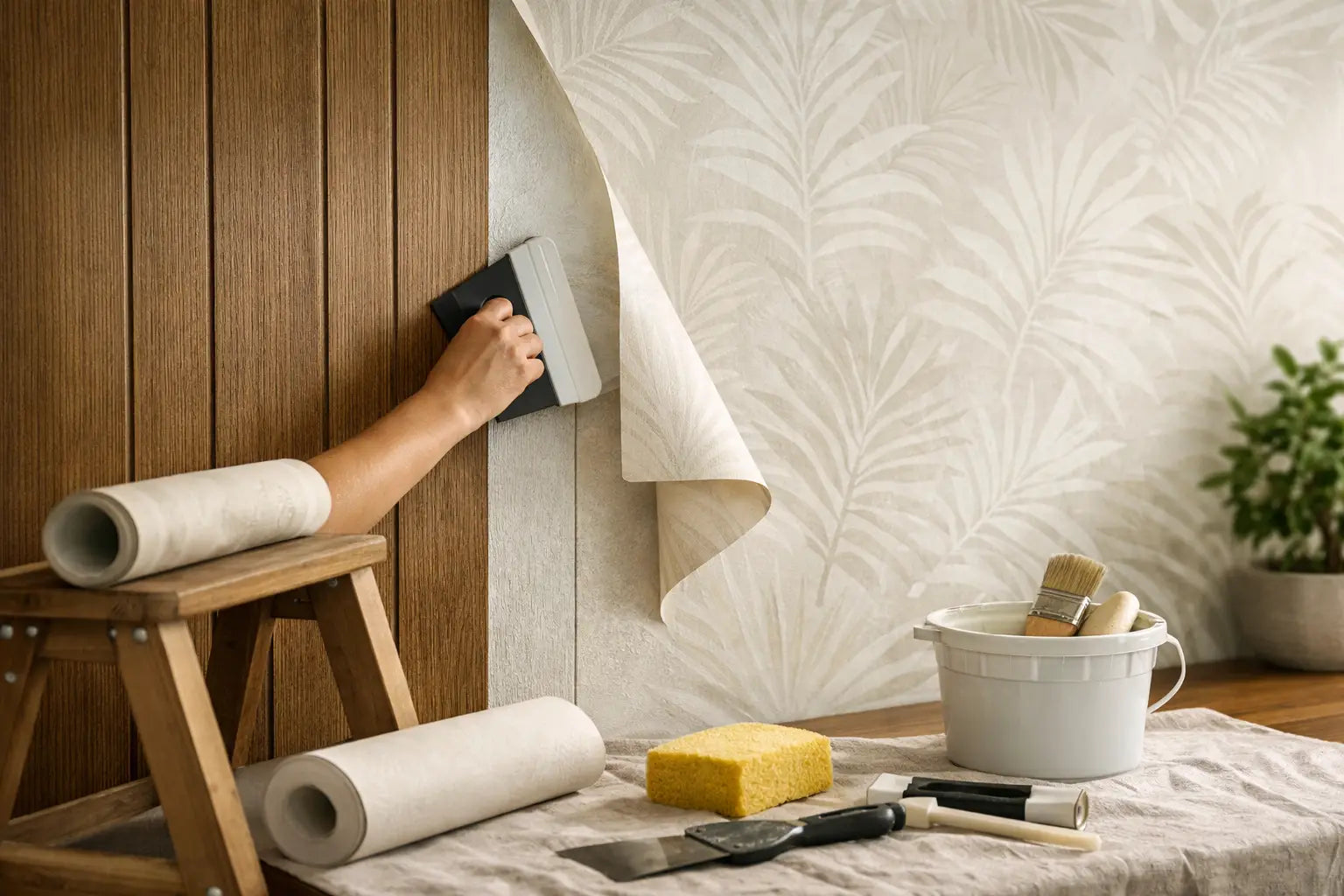
Many non-woven styles are also labeled paste-the-wall. Rather than pasting each strip and booking it while it expands, the installer applies adhesive directly to the wall and hangs dry strips one at a time. There is less folding, less waiting, and often less mess. For confident DIY installers, that can make the project feel more manageable. For professional installers, it can streamline the work without compromising the finished look.
Removal is another reason shoppers gravitate to this material. Quality non-woven wallpaper is often strippable, meaning it can pull away from a properly prepared wall in full sheets when it is time for a new look. Results still depend on the specific product, wall preparation, adhesive, and the condition of the surface underneath, but it is typically less labor-intensive than scraping off older paper-backed wallpaper in small pieces.
Non-Woven Wallpaper Benefits at a Glance
The strongest advantages are easy to see once the wallpaper is on the wall:
- It resists stretching and shrinking during installation.
- It is commonly available in paste-the-wall formats.
- It can be breathable, making it suitable for many living spaces.
- It is usually easier to remove than traditional paper wallpaper.
- It supports crisp printing, detailed pattern work, and a broad range of decorative finishes.
Where to Use Non-Woven Wallpaper
Non-woven wallcovering works beautifully in bedrooms, living rooms, dining rooms, entryways, home offices, and hallways. It is a particularly appealing choice for feature walls because the material makes it easier to work with large-scale patterns that deserve clean seam alignment.
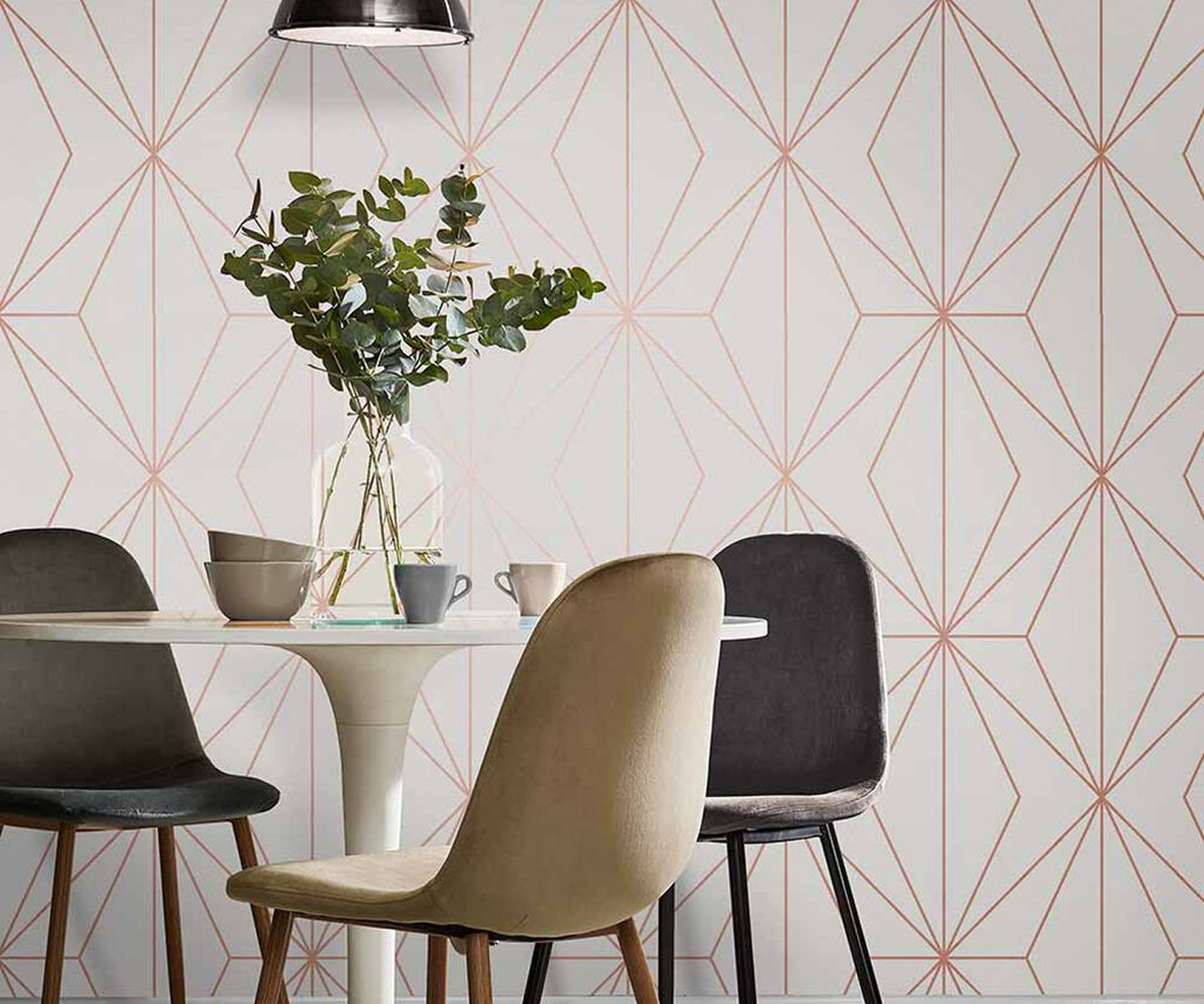
In a bedroom, a soft botanical or textured neutral can create depth behind the bed without overwhelming the space. In a dining room, a dramatic geometric, chinoiserie-inspired print, or tailored stripe can give everyday meals a more finished setting. An entryway is another opportunity to use a pattern that introduces the personality of the home right away.
Powder rooms can be wonderful wallpaper spaces, too, since they are often small enough to support a bolder choice. Still, humidity changes the equation. A non-woven wallpaper may work well in a well-ventilated powder room, but a full bathroom with regular showers calls for extra care. Choose a product rated for that environment, make sure ventilation is adequate, and avoid assuming that “breathable” means waterproof.
For kitchens, consider where the paper will be installed. Away from sinks, cooktops, and heavy splatter zones, a suitable non-woven wallcovering can add warmth and character. Near areas that need frequent cleaning, a durable vinyl surface may be the more practical choice.
Non-Woven vs. Traditional Paper and Vinyl Wallpaper
Traditional paper wallpaper can be beautiful, especially for certain artisanal finishes, but it tends to be more delicate during installation. It may expand after paste is applied, which requires careful timing and technique. Non-woven wallpaper generally stays more stable, reducing some of the guesswork.
Vinyl wallpaper is valued for its durability and cleanability. It can be a strong option for busy homes, bathrooms with appropriate ventilation, laundry areas, and other spaces where scuffs or splashes are a concern. However, “vinyl wallpaper” describes the surface, while “non-woven” often describes the backing. A vinyl-on-non-woven wallcovering can offer both a practical finish and a simpler paste-the-wall installation.
Natural materials such as grasscloth bring exceptional texture, but they have their own installation considerations. Seams are often visible by design, color variation is expected, and cleaning requires a gentler approach. If you love the look of texture but prefer a more predictable repeat and easier maintenance, a non-woven textured design can be an appealing alternative.
How to Install Non-Woven Wallpaper Well
The wall should be smooth, clean, dry, and properly primed for wallpaper. That preparation is not a step to rush. Even the most beautiful wallcovering can reveal wall imperfections, and primer helps with adhesion as well as eventual removal.
When using a paste-the-wall product, apply the recommended adhesive evenly to the wall slightly beyond the width of the first strip. Hang the dry strip from the top, allowing a little extra material at the ceiling and baseboard for trimming. Smooth from the center outward with the proper wallpaper tool, taking care not to press too aggressively on delicate or textured surfaces.
Pattern matching deserves patience. Before cutting multiple strips, confirm the repeat and determine how much material each match will require. Large-scale prints may need more extra paper than a small all-over pattern. Measure carefully, order enough from the same dye lot when possible, and consider a sample before committing to the full room.
If the room has uneven walls, complicated corners, high ceilings, or an especially expensive wallcovering, professional installation is often worthwhile. Wallpaper is a finish people notice up close. Skilled installation protects the investment and gives the pattern the clean, tailored appearance it deserves.
Choosing the Right Non-Woven Wallpaper for Your Space
Start with the mood you want to create. A subtle tonal print can add dimension without competing with furniture, art, or window treatments. A high-contrast pattern becomes the focal point and may be best balanced with simpler surrounding finishes. In smaller rooms, a large pattern can look striking rather than crowded when the color palette feels cohesive.
Then consider light. Order a sample and view it in the actual room during morning, afternoon, and evening. Colors can shift dramatically between natural daylight and warm interior lighting, while metallic details and textured surfaces reveal themselves differently at every angle.
At Wallpaper and Stuff, seeing wallpaper in person can make that decision much easier. A sample or showroom visit lets you compare scale, color, texture, and material before the rolls arrive at your home. That extra step is especially helpful when choosing a design for a full room rather than a single accent wall.
Non-woven wallpaper is not just an easier installation category. It is a versatile design material that brings lasting pattern, texture, and personality to the rooms where life happens. Choose a style that suits how you live, prepare the wall with care, and let the finish turn an ordinary surface into part of the room's story.