Celebrating 35+ Years

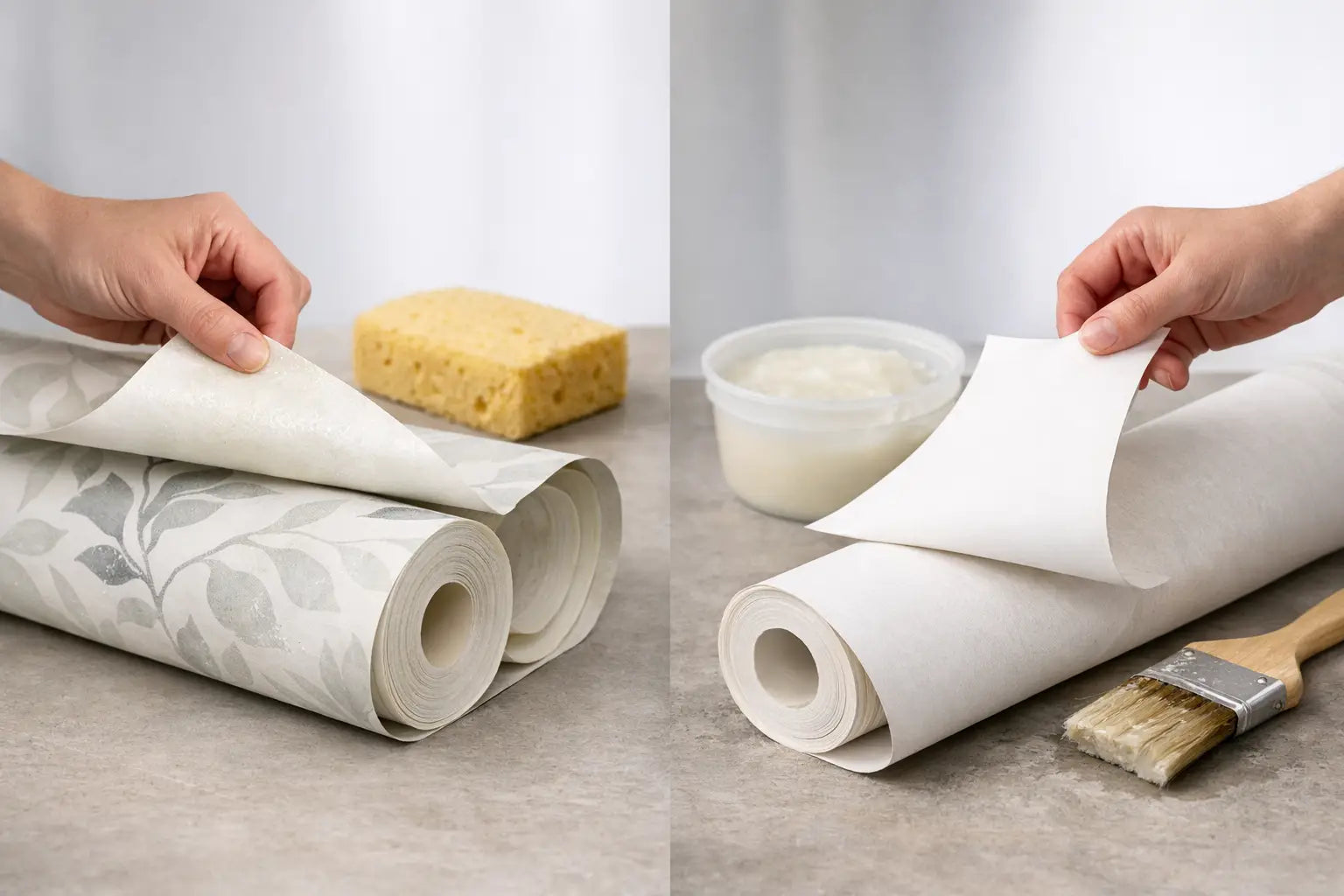
Pre-Pasted Versus Unpasted Wallpaper Compared
A wallpaper pattern can be exactly right for the room and still feel like the wrong choice if the installation method does not fit your project. Choosing pre pasted versus unpasted wallpaper comes down to more than convenience. It affects your prep work, working time, installer preference, and confidence on installation day.
Both options can create a beautiful, lasting finish. The better choice depends on the wallpaper material, the condition of your walls, the size of the project, and whether you plan to hang it yourself or work with a professional. Knowing the difference before you fall for a color, print, or texture makes the selection process much easier.
What Is Pre-Pasted Wallpaper?
Pre-pasted wallpaper arrives with dry adhesive already applied to the back of each strip. To activate that adhesive, the paper is typically soaked in water or passed through a water tray, then folded adhesive-side-in for a short period. This resting step is called booking. It allows the paper to relax and the paste to activate before the strip goes on the wall.
For many homeowners, pre-pasted wallpaper feels approachable because there is no separate paste to select, mix, or spread. It can be a practical choice for a smaller project, such as a powder room, nursery accent wall, or guest bedroom refresh. The process is contained, and there is less equipment to manage.
That convenience does not mean pre-pasted wallpaper is automatically easier. Water must be applied evenly, booking times must be followed, and excess moisture needs to be managed carefully. Too little water may leave the adhesive underactivated. Too much can make certain papers difficult to handle or cause paste to squeeze from the seams.
What Is Unpasted Wallpaper?
Unpasted wallpaper has no adhesive on its backing. Paste is applied during installation, either directly to the wall or to the back of the wallpaper, depending on the material and manufacturer instructions.
Many premium wallcoverings are unpasted, including a wide range of non-woven papers, grasscloths, vinyls, textured designs, and specialty materials. This format gives installers more control over the adhesive and application method. It is also common in collections selected for their distinctive texture, dimensional finish, or higher-end design details.
With an unpasted wallcovering, the paste is part of the installation system. The right adhesive matters. A lightweight paper, a heavy vinyl, and a natural grasscloth may each call for a different product or method. Always follow the instructions supplied with the specific wallpaper rather than assuming one paste works for every roll.
Pre-Pasted Versus Unpasted Wallpaper: The Installation Difference
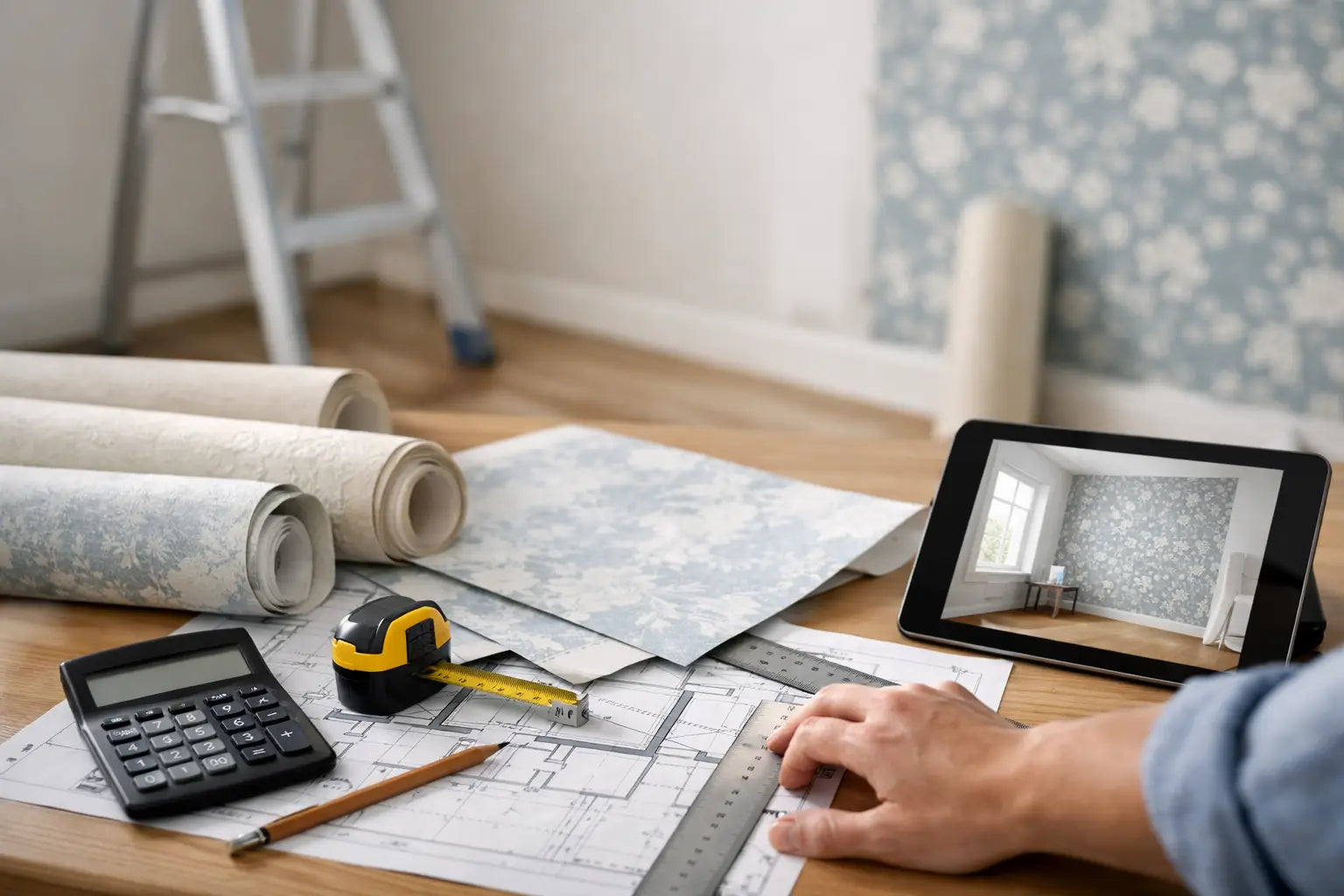
The most visible difference is in the prep area. Pre-pasted wallpaper requires clean water, a water tray or another approved activation method, a smooth work surface, and tools for trimming and smoothing. Unpasted wallpaper adds paste, a brush or roller, and careful attention to the manufacturer's application directions.
Pre-pasted papers can reduce the mess of a DIY project, especially when working in a finished room. There is no open bucket of adhesive to protect from children, pets, flooring, or furniture. However, a water tray still deserves its own protected work zone, and booked strips need space to rest without creasing.
Unpasted wallpaper generally asks more of the installer at the start, but it can offer a more controlled rhythm once the process is underway. Paste-the-wall non-woven wallpaper is especially appealing to many homeowners and professionals because the dry strip can be hung directly onto the pasted wall. It is often easier to slide into position, trim cleanly, and remove later in full strips when installed over properly prepared walls.
For either type, wall preparation is the real foundation of a polished result. Walls should be clean, dry, smooth, and primed with wallpaper primer. New drywall, patched areas, satin paint, and previously painted walls may all need different levels of preparation. Wallpaper can enhance a room dramatically, but it will not hide rough seams, flaking paint, or unprimed repairs.
Which One Is Better for DIY Installation?
There is no universal winner. A pre-pasted paper may suit a first-time installer who wants fewer materials and is working with a straightforward pattern. A small-scale print with a forgiving repeat is usually less stressful than a large mural, a bold geometric, or a design requiring precise pattern matches.
Unpasted non-woven wallpaper can also be a strong DIY option, particularly in a paste-the-wall format. Some homeowners prefer controlling where the adhesive goes instead of handling a damp, booked strip. The paper stays dry until it reaches the wall, which can feel more manageable when positioning a tall panel or working around windows and doors.
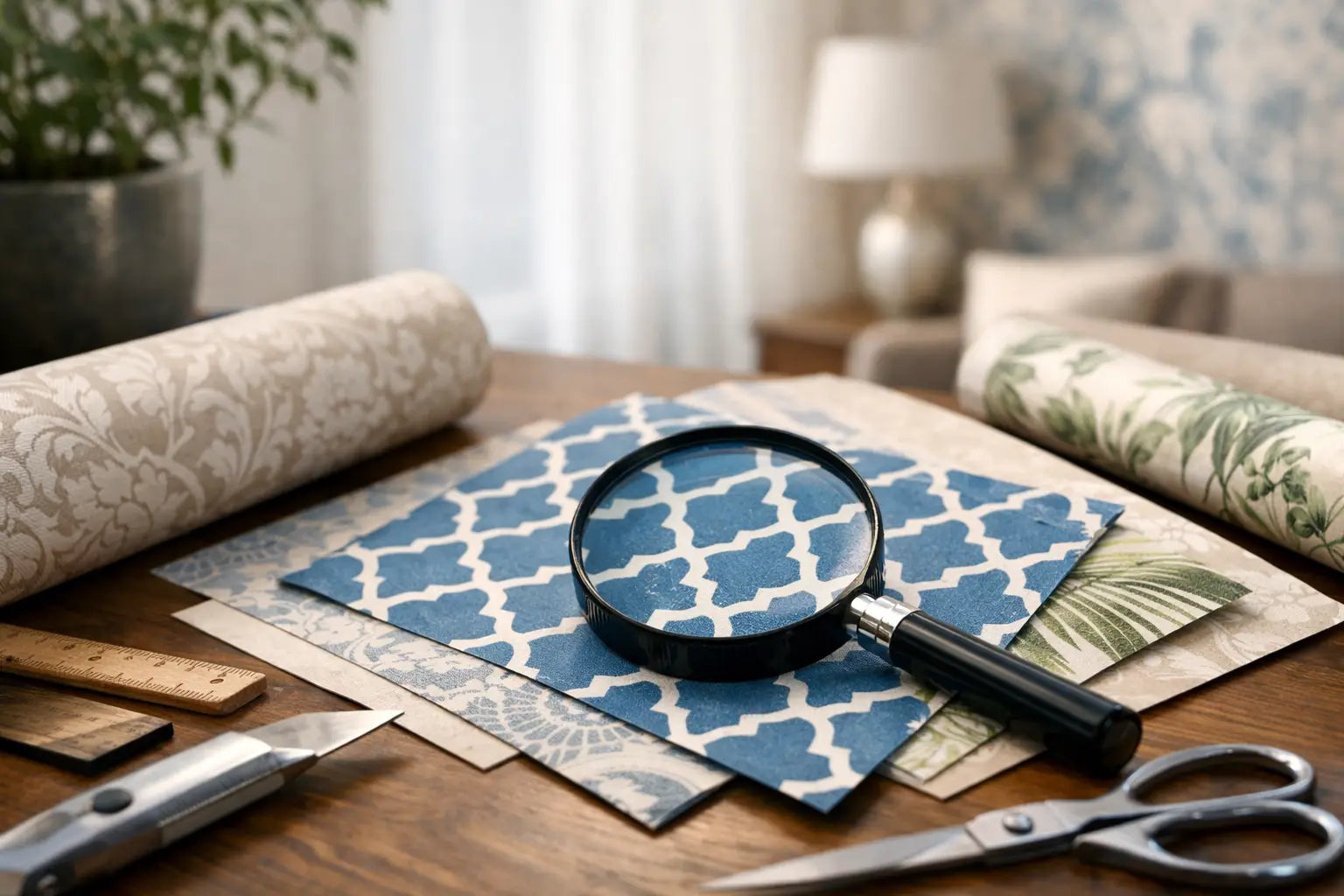
Choose based on the specific product, not just the label. A pre-pasted paper with a complex repeat can be more demanding than an unpasted paste-the-wall design with an easy match. Samples are valuable here. They let you see the scale, finish, and backing type in your own light before committing to the full project.
Where Each Wallpaper Type Works Best
Pre-pasted wallpaper can be an appealing solution in low-traffic residential spaces where you want a quick visual update. Bedrooms, closets, powder rooms, and accent walls are natural candidates, provided the room is well prepared and the product is rated for the intended use.
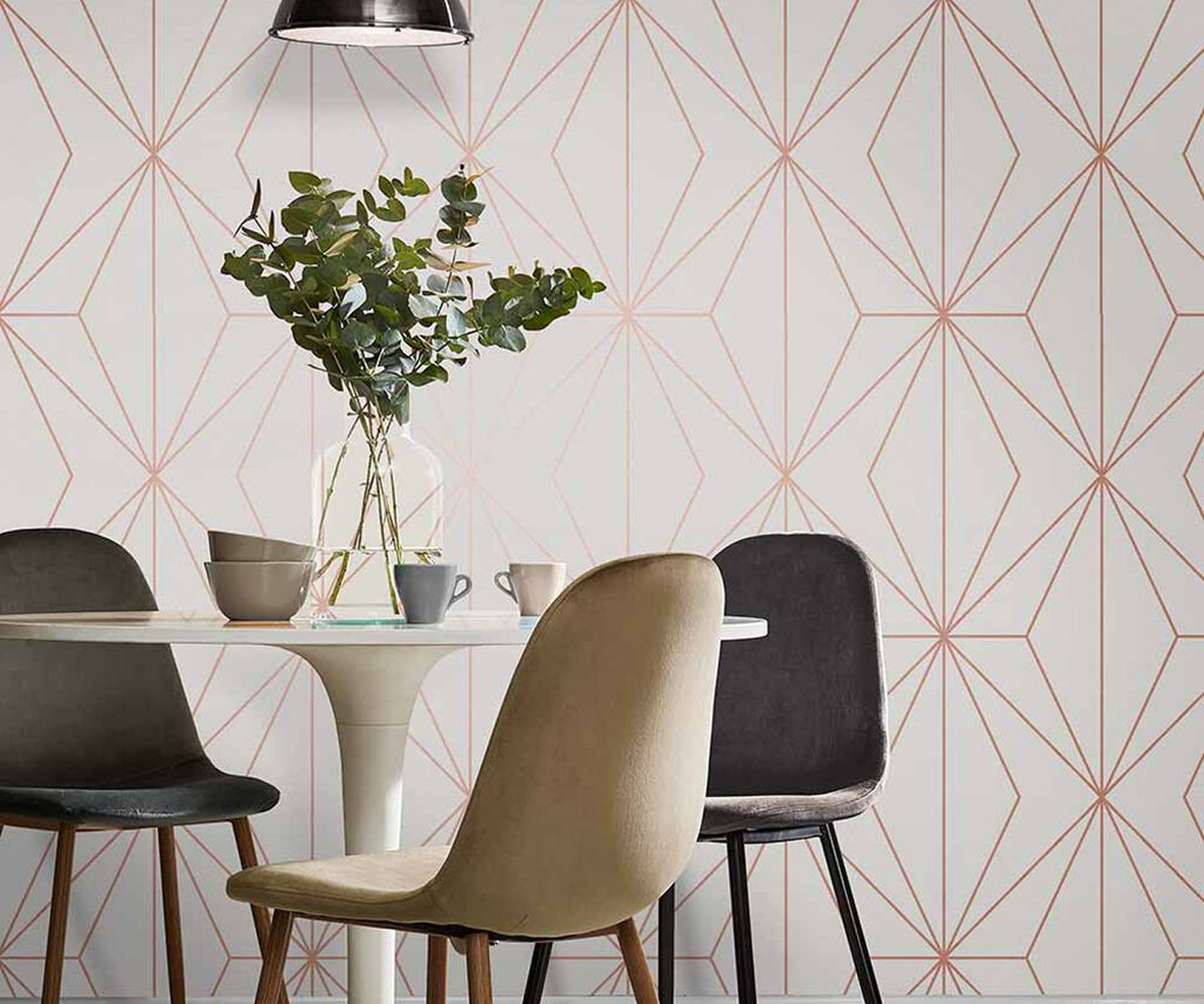
Unpasted wallpaper offers broad flexibility across living rooms, dining rooms, entryways, and design-forward feature walls. It is often the preferred format for specialty materials, from tactile grasscloth to durable vinyl. If you are choosing a dramatic botanical, a refined geometric, or a richly textured neutral, unpasted options may give you more choices in the styles you love.
Bathrooms and kitchens deserve extra consideration. Wallpaper can look exceptional in a powder room or a kitchen away from direct splashes, but humidity, ventilation, and surface conditions matter. For full baths, laundry rooms, or other moisture-prone areas, choose a wallcovering specifically suited to the environment and address ventilation before installation. Adhesive type and proper priming become even more critical in these spaces.
Cost, Durability, and Removal Considerations
Pre-pasted wallpaper may seem less expensive at first because adhesive is included. Yet the total project cost also includes primer, tools, lining or wall repair if needed, and possibly professional installation. With unpasted wallpaper, you will need to purchase the proper adhesive, but that can be a worthwhile trade for a specific material or installation method.
Durability is not determined by pre-pasted or unpasted backing alone. The wallpaper's material, the adhesive system, wall prep, room conditions, and installation quality all affect how well it performs. A carefully installed pre-pasted paper can hold up beautifully. An unpasted wallcovering installed with the wrong paste can create avoidable problems.
Removal also depends on the full system. Modern strippable non-woven wallpapers are often designed to pull away in dry sheets when walls have been properly primed. Other papers may require water, a removal solution, or more time. If you expect to update the room again in a few years, ask about removability before you buy, especially for rentals, children's rooms, or frequently refreshed spaces.
Questions to Ask Before You Choose
Before selecting your wallpaper, consider how much wall area you are covering, whether the pattern has a demanding repeat, and how comfortable you are with measuring and trimming. Think about the room itself, including humidity, natural light, traffic, and the condition of the existing walls.
It also helps to decide whether the wallcovering is meant to be a short-term style change or a long-lasting finish. A bright, playful pattern in a child's room may call for easy future removal. A tailored dining room print or natural-texture grasscloth may be a more permanent design investment.
If you are uncertain, bring the project details to a wallpaper specialist. At Wallpaper and Stuff, seeing samples in person can help you compare texture, scale, and backing types before a roll is opened. A pattern that looks simple on a screen can feel entirely different in your home's lighting.
The best wallpaper is the one that makes you excited to walk into the room and gives you a realistic installation plan. Start with the finish you love, then choose the prep and application method that will help it look its best for years to come.