Celebrating 35+ Years

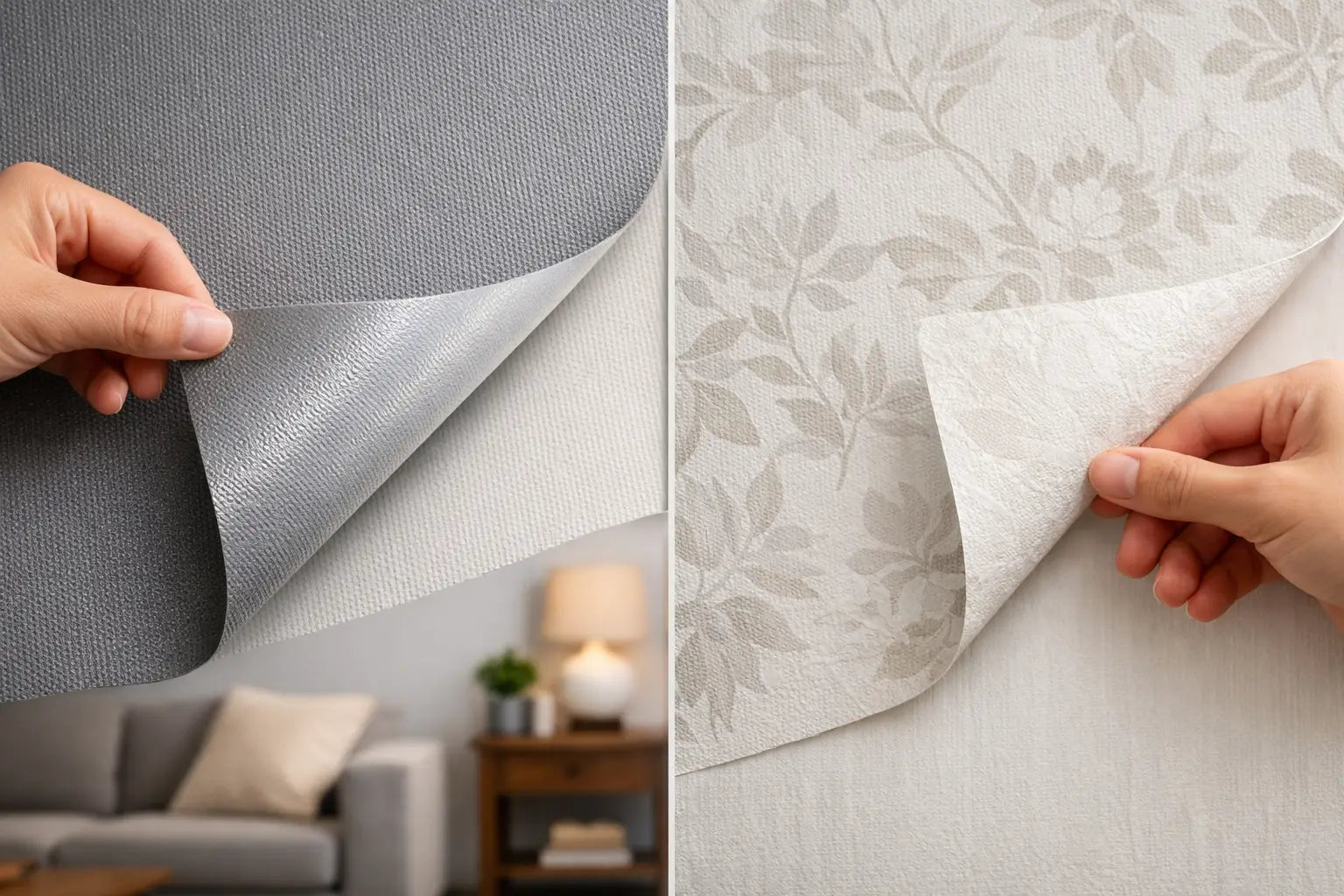
Vinyl Versus Paper Wallpaper: Which Fits?
A powder room with splashing hands, a busy kitchen backsplash wall, and a quiet primary bedroom do not ask the same thing of a wallcovering. That is why the choice between vinyl versus paper wallpaper is about more than pattern. The right material affects how a room feels, how easily it cleans, how it hangs, and how it holds up to everyday life.
Both options can bring color, character, and a finished designer look to your home. The better choice depends on where the wallpaper will live, what the wall condition is like, and whether your priority is durability, texture, or a more traditional decorative finish.
Vinyl Versus Paper Wallpaper at a Glance
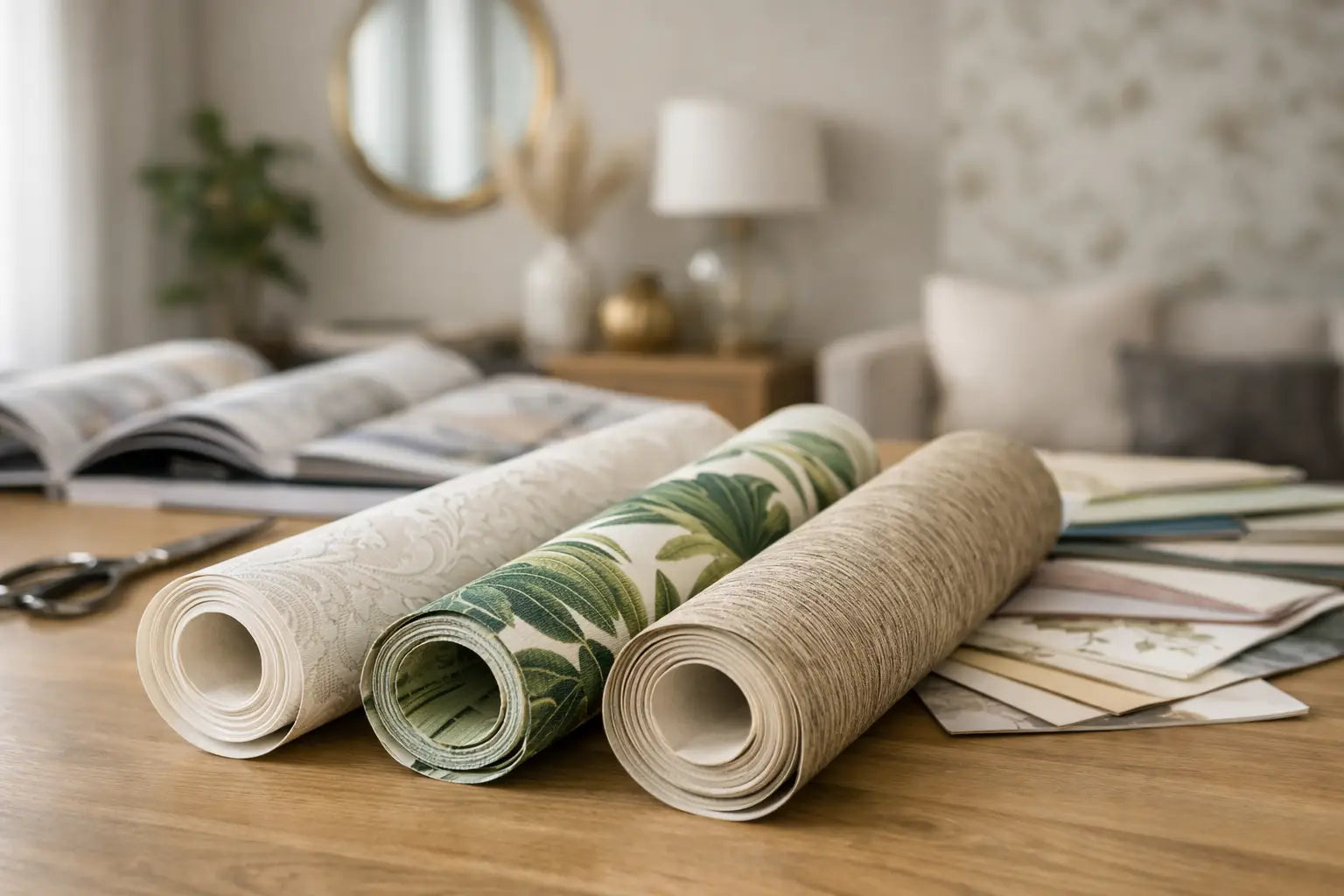
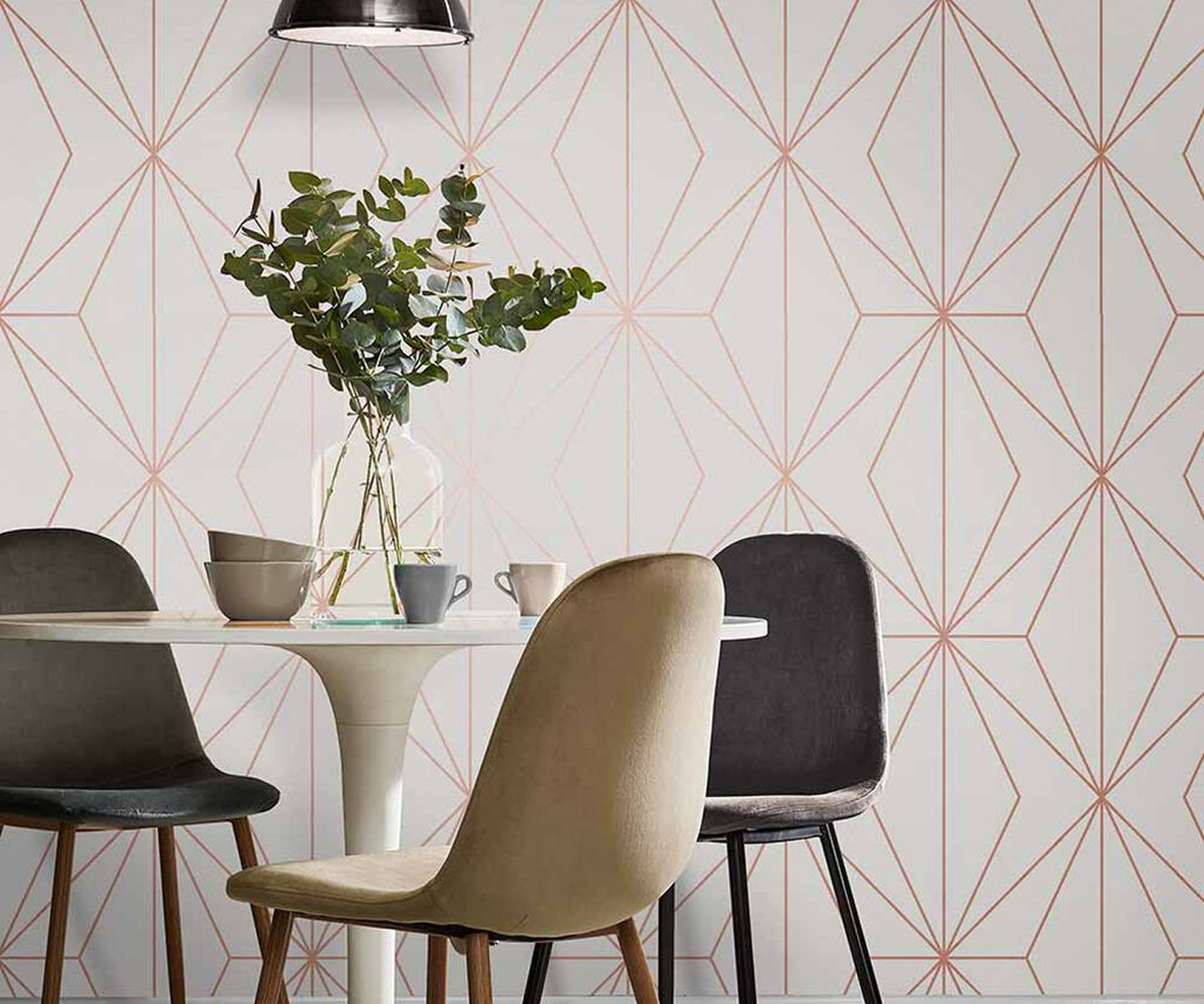
Vinyl wallpaper is valued for its practical side. Its surface is designed to resist moisture and stand up to cleaning, making it a natural fit for hardworking spaces. It is available in an enormous range of looks, from crisp geometrics and bold florals to linen-like textures, grasscloth effects, and convincing painted finishes.
Paper wallpaper offers a different kind of appeal. It often has a softer, more tactile appearance and can make printed artwork, delicate color, and fine detail feel especially rich. For formal rooms, bedrooms, dining rooms, and low-traffic feature walls, paper can deliver a beautiful finish with a classic, collected quality.
The terms can be more complicated than they first appear. Some products are solid vinyl, while others are vinyl-coated paper or vinyl-coated non-woven materials. “Paper wallpaper” may refer to traditional paper-backed goods, including unpasted and prepasted options. Always read the product specifications before ordering, since backing, washability, and removal instructions can vary even within the same broad material category.
Choose Vinyl for Everyday Durability
Vinyl is usually the more forgiving option when the room sees humidity, fingerprints, or the occasional splash. A quality washable vinyl wallcovering can often be wiped gently with a damp cloth, following the manufacturer’s care instructions. That makes it especially useful in bathrooms, kitchens, laundry rooms, mudrooms, hallways, and children’s spaces.
Its protective surface also gives homeowners more confidence with high-use walls. A playful pattern in a breakfast nook or a richly colored botanical in a powder room can feel like a design risk worth taking when the material is made to handle real life.
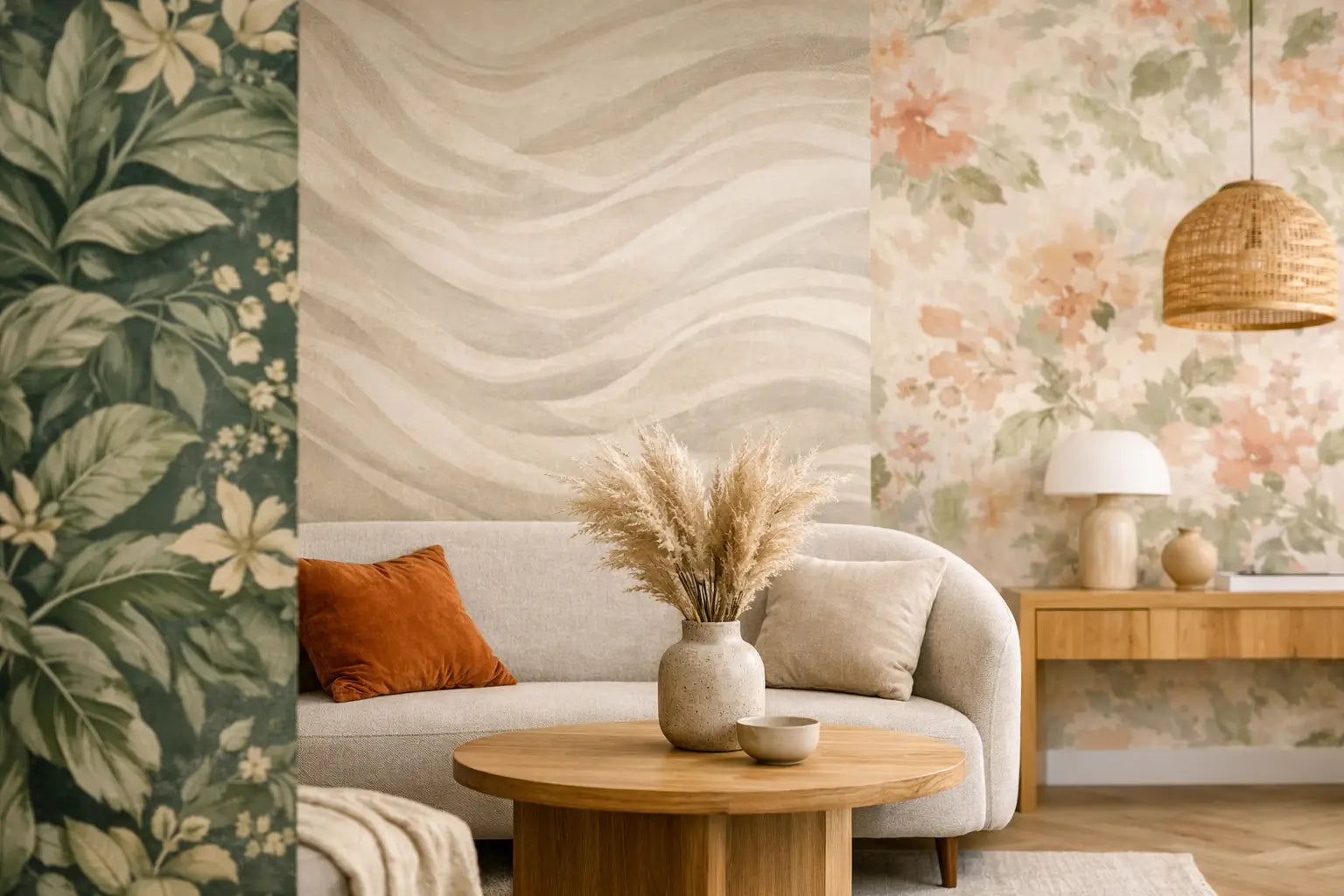
Vinyl does not have to look shiny or utilitarian. Modern collections include embossed surfaces, subtle woven effects, matte finishes, and dimensional patterns that add warmth without sacrificing ease of care. If you want the look of a natural material but need more practical performance, vinyl may be the sweet spot.
There are trade-offs. Depending on the product and wall preparation, vinyl can be less breathable than a traditional paper wallcovering. In a space with ongoing moisture problems, wallpaper of any kind is not a substitute for proper ventilation or repairing leaks. A bathroom fan, dry walls, and a sound surface matter just as much as the wallpaper material.
Choose Paper for Texture and Decorative Depth
Paper wallpaper is often selected for the way it looks up close. The surface can have a gentle softness that flatters hand-drawn motifs, heritage florals, scenic prints, and refined tonal designs. In a living room, bedroom, dining room, or formal entry, it can create the kind of layered finish that makes paint feel like the background rather than the main event.
Because paper is generally less moisture-resistant and less scrub-friendly than vinyl, placement matters. It is best reserved for dry, lower-traffic areas where walls are less likely to be bumped, splashed, or touched frequently. A paper wallpaper behind a bed, above chair-rail height in a dining room, or on a feature wall can be a lasting design choice when the setting is right.
Paper can also be less forgiving during installation. It may show paste stains, crease more easily, or tear if handled roughly. That does not mean it is unsuitable for a DIY project, but it does reward patience, careful measuring, and a clean work area. If the pattern has a large repeat or the room has many corners and cutouts, professional installation may be the more comfortable route.
For shoppers drawn to a softer, more artisanal look, those extra considerations are often worthwhile. A well-chosen paper wallcovering brings a sense of depth that photographs rarely capture fully.
Match the Material to the Room
Start with the room’s day-to-day demands, then let the pattern lead. Vinyl is generally the stronger contender in a powder room, kitchen, laundry area, or active hallway. It also works well in a child’s bedroom or playroom, where cleanability can be as valuable as color.
Paper is a natural fit for a primary bedroom, guest room, dining room, home office, or a formal living space. These rooms usually offer the dry conditions and lower contact that allow a more delicate material to stay looking its best.
A bathroom can fall into either category, but the details matter. A large, well-ventilated bathroom with wallpaper placed away from a shower may accommodate more options. A small bath with frequent steam and limited airflow calls for a washable, moisture-resistant choice and excellent ventilation. The same thinking applies near a kitchen sink or range. Consider the actual location of the wall, not just the room label.
Installation Changes the Experience
No wallpaper performs well over a poorly prepared wall. Before hanging either material, repair cracks, smooth uneven spots, remove old adhesive, and clean away dust or grease. Fresh drywall should be properly primed, and heavily textured walls may need lining or skim coating for a polished result.
Vinyl is often easier to live with after installation, but that does not automatically make it easier to hang. Heavier vinyls can be stiff, and textured surfaces require careful seam work. Some vinyl wallcoverings are paste-the-wall, while others require paste on the backing. Follow the instructions for that specific product rather than relying on the material name alone.
Paper wallpaper requires a lighter touch. Use the recommended adhesive, allow the stated booking time when applicable, and avoid overworking the seams. Keeping hands and tools clean is particularly important with light colors and uncoated papers.
If removability is a priority, look beyond “vinyl” or “paper” on the label. Many modern wallpapers are designed to strip away more cleanly than older products, but removal depends on the backing, adhesive, wall prep, and the condition of the wall beneath it. A sample and product specifications can prevent surprises later.
Samples Make the Decision Easier
A screen cannot show every quality that matters. The same warm white can look creamy in a north-facing room and brighter near afternoon sun. Texture may read quiet from across the room but become the feature when you are standing beside it. Ordering samples or seeing wallcoverings in person helps you compare sheen, scale, color, and surface feel before committing to multiple rolls.
At Wallpaper and Stuff, the showroom experience is particularly helpful when you are choosing between materials. Hold a washable vinyl next to a paper print, view them in changing light, and consider the room as a whole: cabinetry, flooring, fabrics, trim color, and the way the space is actually used.
Let the Look and Lifestyle Work Together
The best wallpaper choice is rarely about declaring one material better than the other. Vinyl earns its place in busy spaces where easy care matters. Paper shines where decorative detail, softness, and a more traditional wallcovering feel are the priority.
Choose the material that lets you enjoy the pattern without worrying about every splash, scuff, or steamy shower. When the finish suits the room, wallpaper becomes more than a backdrop - it becomes the detail that makes the space feel unmistakably yours.