Celebrating 35+ Years

Article: Natural Fiber Versus Synthetic Wallpaper
Natural Fiber Versus Synthetic Wallpaper
A woven wallcovering can make a quiet dining room feel collected and architectural. A washable vinyl can give a busy powder room its polished finish without asking for precious care. That is the real choice behind natural fiber versus synthetic wallpaper: not simply which material looks better, but which one supports the way a room is used.
Both categories can transform a space far beyond what paint can achieve. The right material brings depth, color, pattern, and personality to the wall. The best choice comes down to the finish you want, the room you are decorating, and how much everyday wear the wall needs to handle.
Natural Fiber Versus Synthetic Wallpaper: The Key Difference
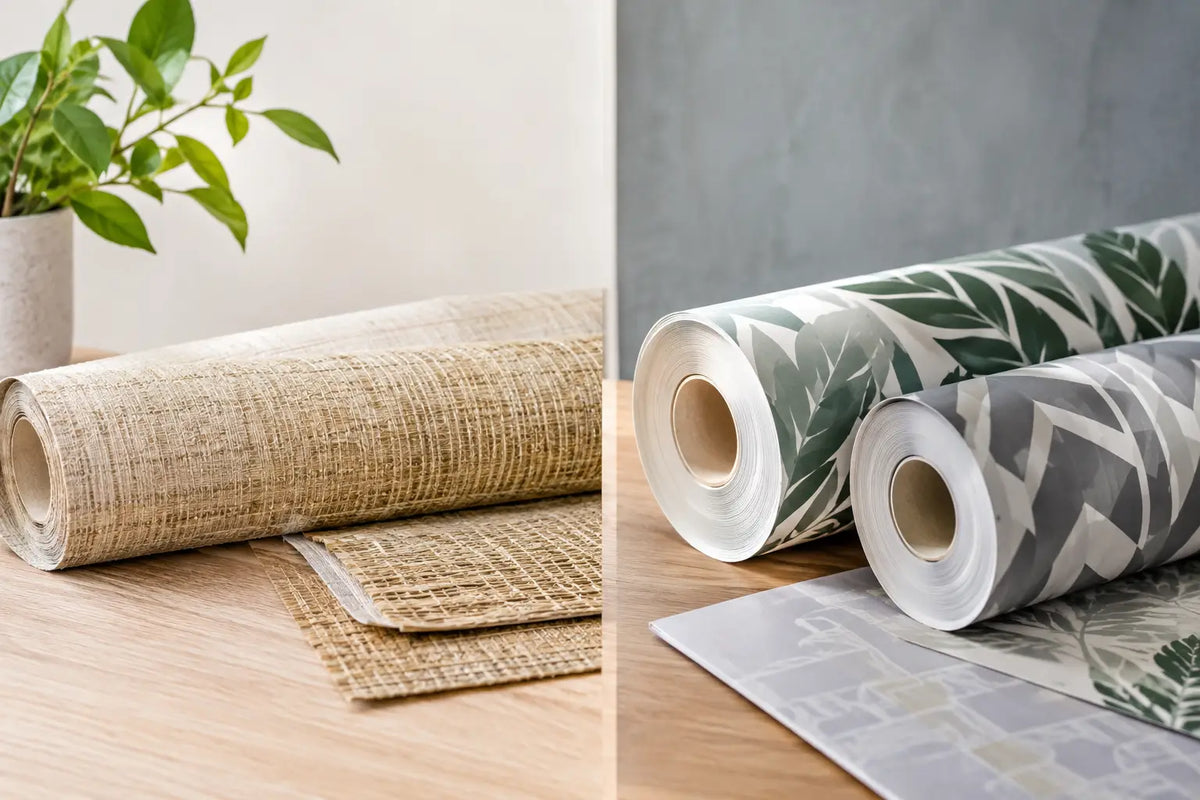
Natural fiber wallcoverings are valued for their authentic texture. Materials may include grasscloth, jute, sisal, hemp, cork, and other plant-based fibers. They are often woven, layered, or applied to a backing, creating subtle shifts in color and texture that make every installation feel distinctive.
Synthetic wallpaper is a broad category that includes vinyl and many non-woven wallcoverings. These materials are designed for consistency, durability, and easier maintenance. They can look smooth and tailored, replicate textured materials, or deliver bold printed patterns with crisp color and detail.
Neither is automatically the better choice. Natural fibers create a tactile, high-design finish that is difficult to duplicate. Synthetic options offer practical performance in rooms where splashes, fingerprints, humidity, and frequent cleaning are part of daily life.
Why Natural Fiber Wallcoverings Feel So Special
Natural fiber wallpaper has visual movement. Because the fibers vary in tone, width, and placement, the wall has a layered look that changes with daylight and evening lamps. It can add warmth to a modern living room, soften a formal dining room, or bring an organic counterpoint to clean-lined furniture.
Grasscloth is one of the most recognized natural fiber choices. Its horizontal weave gives a room quiet structure while still feeling relaxed. Sisal and jute often bring a stronger, more casual texture, while cork can introduce rich tonal variation and a distinctly dimensional surface.
This character comes with a few considerations. Seams are usually visible in natural woven wallcoverings, and color variation between panels is expected rather than a flaw. Those details are part of the material's appeal, but shoppers hoping for a perfectly uniform wall may prefer a printed or embossed alternative.
Natural fibers also require gentler care. Most should not be scrubbed or saturated with water, so they are generally better suited to low-traffic, lower-moisture spaces. A formal dining room, bedroom, home office, sitting room, or feature wall is often an excellent setting for grasscloth or other natural textures.
Where natural fibers shine
Use natural fiber wallpaper where the wall itself is meant to be part of the décor. It is especially effective behind a bed, around a dining table, in an entryway, or on the wall behind open shelving. Pair it with warm wood, linen upholstery, aged brass, stone, or sculptural lighting for a layered interior that feels intentional rather than overly decorated.
If you are choosing a natural material for a larger room, order a sample first and view it at different times of day. Texture can read lighter, darker, cooler, or warmer depending on surrounding finishes and natural light.
The Practical Case for Synthetic Wallpaper
Synthetic wallpaper earns its place through versatility. Vinyl wallcovering is a favorite for spaces that need a more forgiving finish, including bathrooms, kitchens, laundry rooms, mudrooms, kids' rooms, and high-traffic hallways. Many vinyl options are washable, durable, and capable of standing up to routine cleaning when installed and maintained according to the manufacturer's directions.
Vinyl can also offer a wide range of looks. It may have a sleek matte surface, a subtle linen embossing, a raised geometric pattern, or the appearance of grasscloth without the maintenance needs of a natural weave. For homeowners who love texture but need cleanability, textured vinyl can be a smart middle ground.
Non-woven wallpaper is another popular option, particularly for residential projects. It often installs with paste applied directly to the wall rather than the paper, making the process cleaner and easier to manage. Many non-woven products are designed to be dry strippable, which can make future updates less intimidating. Material construction varies by product, so it is always worth checking the specific installation and removal instructions before buying.
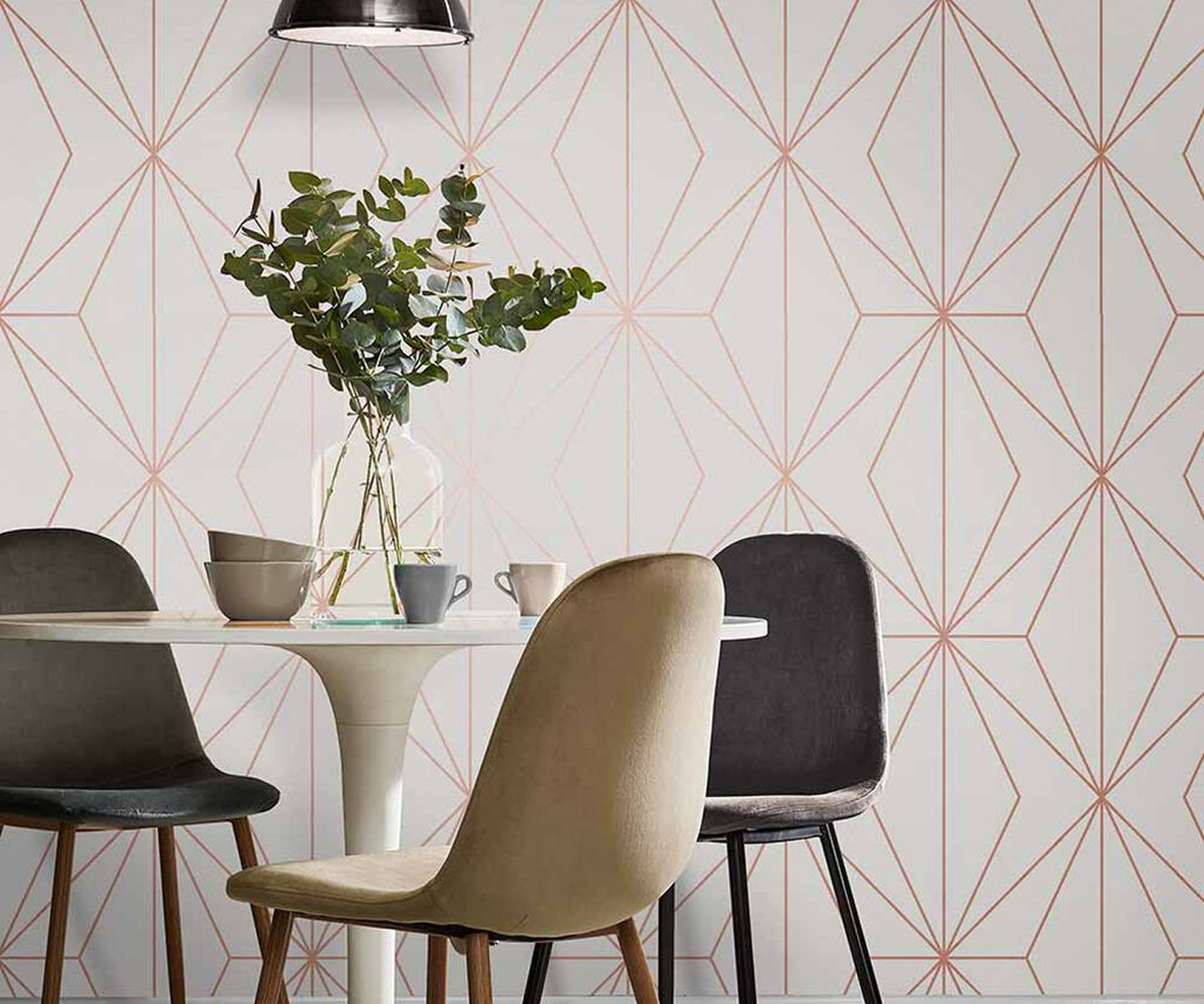
Synthetic options tend to provide more pattern consistency from roll to roll. That makes them especially useful for large-scale botanicals, stripes, murals, and geometric designs where clean pattern alignment matters. They are also a practical fit when you want vivid color in a room that sees a lot of activity.
Where synthetic materials make the most sense
Choose vinyl or another washable synthetic wallcovering when performance is a priority. In a powder room, a durable floral or graphic print can deliver high style in a small space where moisture and occasional splashes are likely. In a kitchen breakfast nook, a wipeable finish can make everyday living feel less restrictive.
For a rental, a refreshable guest room, or a first wallpaper project, an easy-to-handle non-woven style may offer the confidence you need to try a bolder pattern. Just remember that "washable" and "scrubbable" are not interchangeable terms. Follow the care rating for the exact wallcovering you select.
Consider Installation Before You Fall in Love
Wallpaper installation can influence which material works best for your project. Natural fiber products require careful handling because their woven faces can be delicate and their seams are intentionally apparent. Installers may need to pay close attention to panel order, color shading, and the direction of the weave.
Synthetic wallpaper is often more predictable, but it still needs a properly prepared wall. Smooth, clean, primed surfaces give every wallcovering a better chance of looking its best. Textured walls, old adhesive residue, and unaddressed moisture issues can affect the finished result regardless of material.
If the project includes a prominent feature wall or an expensive specialty material, professional installation is often worthwhile. For homeowners who enjoy a hands-on project, non-woven wallpaper with straightforward repeat information can be more approachable than a natural weave.
How to Choose for Your Room
Start with the room's job. A living room used mainly for hosting can support a refined grasscloth, while a family entry that catches backpacks and pet traffic may call for a durable vinyl. Then consider the feeling you want to create. Natural materials lean warm, organic, and artisanal. Synthetic options can be crisp, graphic, playful, elegant, or quietly textured depending on the design.
Also think beyond the wallpaper itself. A natural fiber wallcovering may be the grounding element in a room with patterned rugs and colorful art. A large-scale synthetic botanical can become the focal point in an otherwise simple bedroom. The most successful rooms balance surface texture, pattern scale, and color rather than asking every finish to compete.
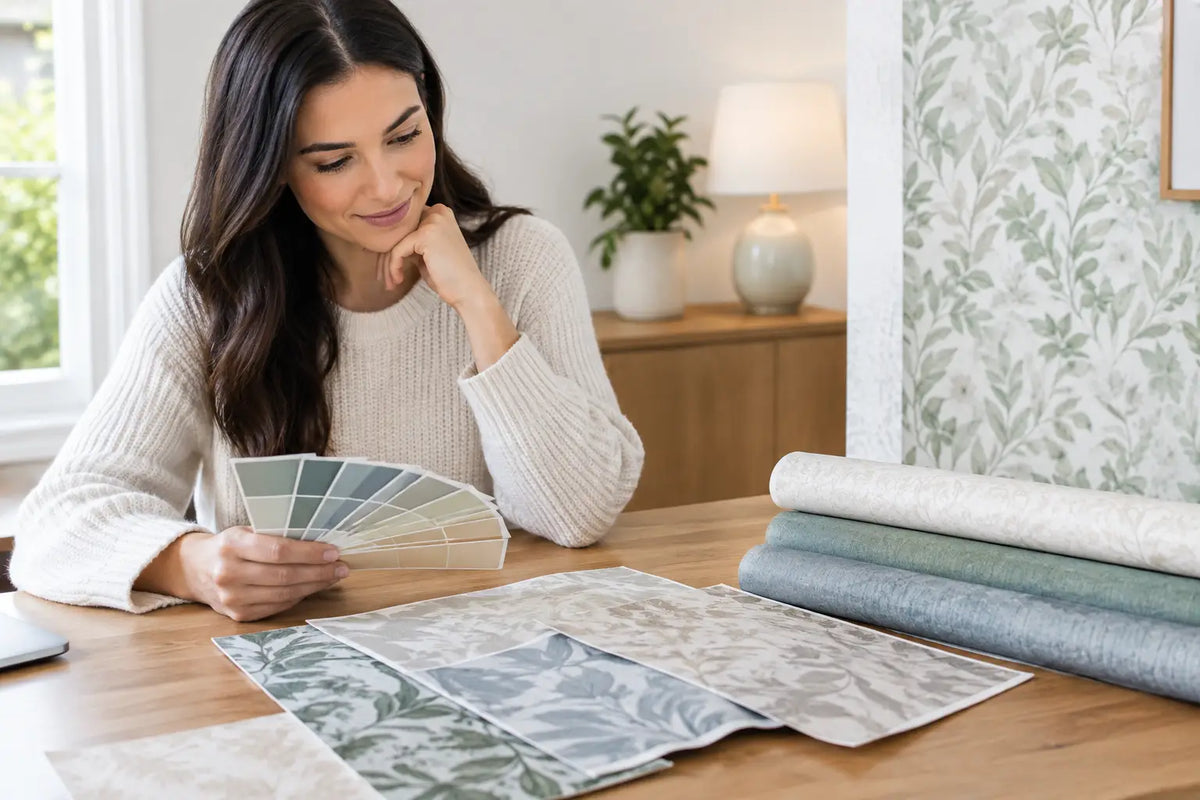
Samples are invaluable here. Hold one next to flooring, cabinetry, fabric, and paint. Look at it under the room's actual lighting. Wallpaper and Stuff customers can also benefit from seeing texture and scale in person at the Smyrna showroom, where a wallcovering often tells a more complete story than it can on a screen.
Choose the Material That Lets You Live With It Beautifully
The best wallpaper is not the one with the most impressive specification sheet or the most dramatic first impression. It is the one that suits your room, reflects your style, and still feels right after real life happens around it. Choose natural fibers when their authentic variation is the detail you want to celebrate. Choose synthetic wallpaper when easy care, consistent pattern, or everyday durability will help you enjoy the design more fully.
A sample on the wall can turn a difficult decision into an easy one. Give it a few days, watch how it changes with the light, and choose the finish that makes you want to spend more time in the room.