Celebrating 35+ Years

Grasscloth and Textured Wallpaper at Home
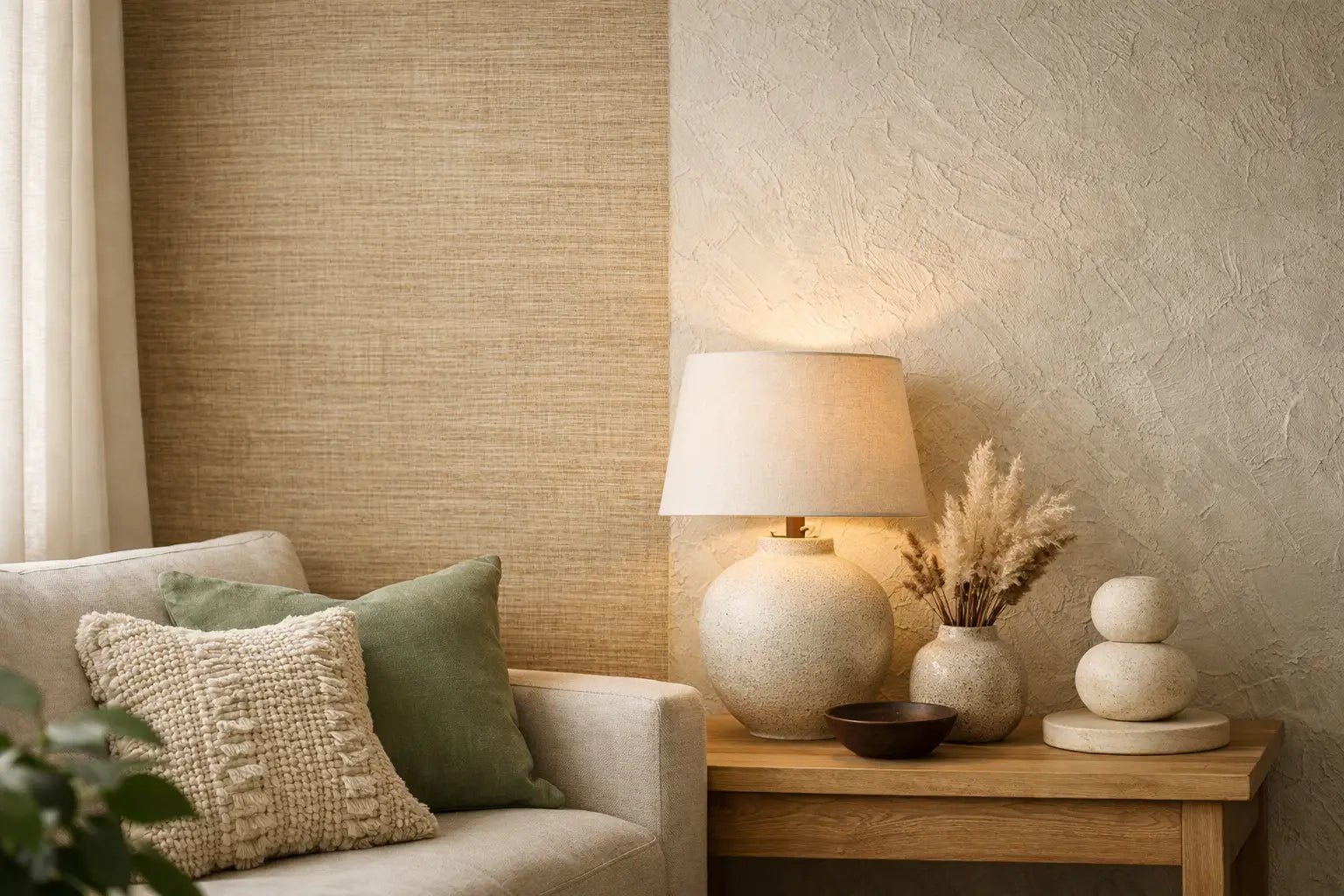
A flat painted wall can make a beautiful room feel unfinished. Grasscloth and textured wallpaper change that instantly by adding depth, movement, and a more considered finish that paint alone rarely delivers. If you want a space to feel warmer, richer, or simply more custom, texture on the wall is often the detail that pulls the room together.
Why grasscloth and textured wallpaper stand out
Pattern gets most of the attention, but texture is what gives a room presence. It catches light differently throughout the day, softens large expanses of drywall, and adds a tactile quality that makes a space feel layered instead of one-note. In a dining room, that might read as quiet elegance. In a bedroom, it can feel calm and cocooning. In a powder room, it can turn a small footprint into a true design moment.
Grasscloth has a particularly distinctive character. Made from natural fibers that are woven and applied to a backing, it brings organic variation, visible strands, and a handcrafted look that many homeowners want when they are trying to move away from generic finishes. Textured wallpaper is a broader category and can include embossing, raised patterns, string effects, faux linen looks, cork-inspired surfaces, and other dimensional finishes. Some styles lean casual and earthy, while others feel polished and tailored.
That range is exactly why texture works across so many interiors. A traditional home may call for a refined tone-on-tone wallcovering with subtle dimension. A more modern room may benefit from a clean geometric texture or a horizontal grasscloth look that emphasizes architecture. The best choice depends less on trends and more on how you want the room to feel.
The difference between grasscloth and textured wallpaper
Although shoppers often group them together, grasscloth and textured wallpaper are not interchangeable. Knowing the difference helps set expectations before you order samples or plan an installation.
What makes grasscloth unique
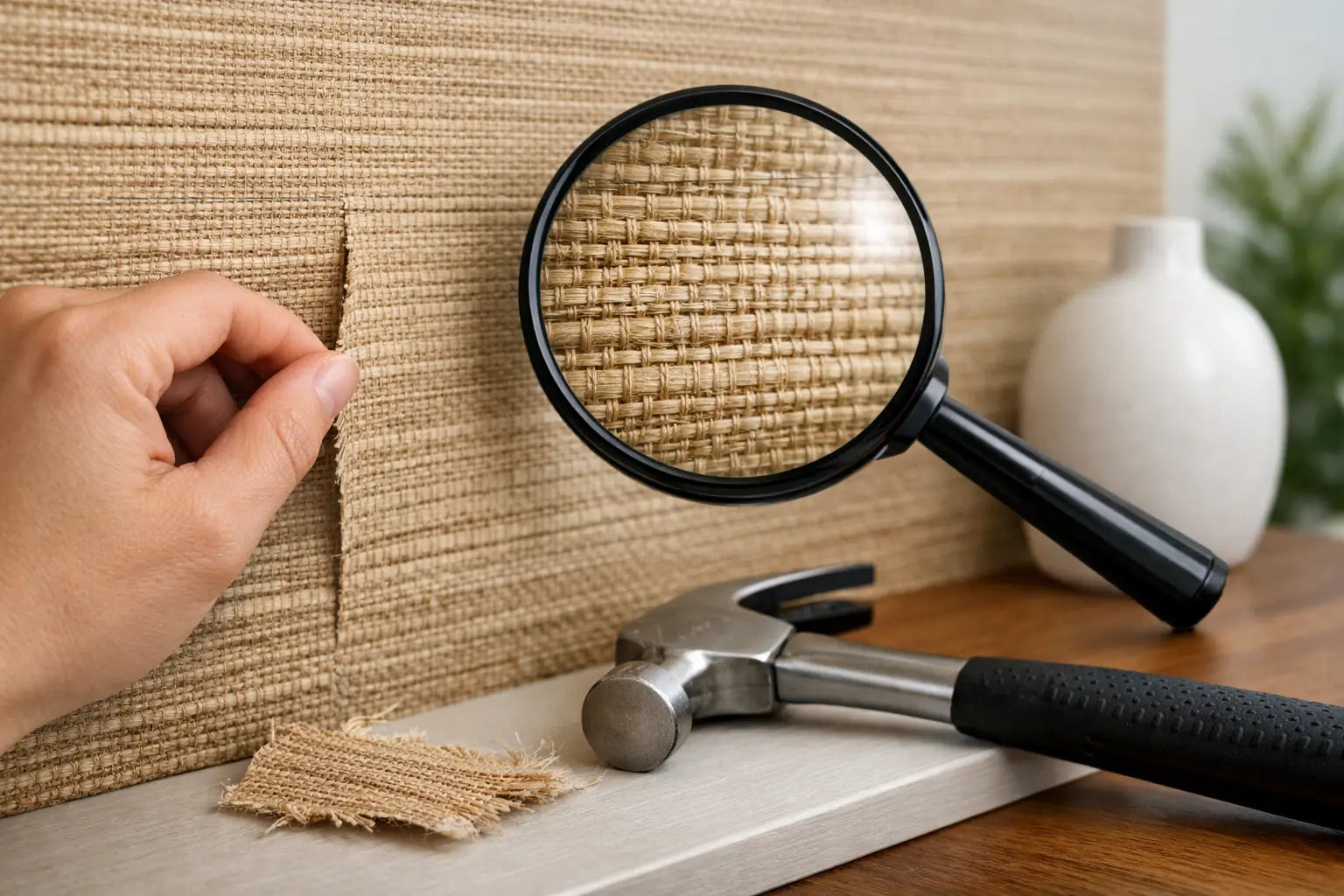
Grasscloth is valued for its natural beauty. You will usually see tonal shifts, irregularities in the weave, and paneling or shading from strip to strip. Those are not defects. They are part of the appeal. Each roll has a more artisanal, less uniform look than printed wallpaper, which is exactly what makes grasscloth so striking in the right setting.
This also means grasscloth is not the best fit for every room. It can be more delicate than some other wallcoverings, and because many natural fiber styles cannot simply be wiped down like a washable vinyl, they may be better suited to lower-moisture spaces such as living rooms, bedrooms, studies, and dining rooms.
What falls under textured wallpaper
Textured wallpaper offers more variety in both appearance and performance. Some styles mimic woven fabric, plaster, silk, wood veneer, or natural grass while giving you a more consistent pattern match and often easier maintenance. Depending on the material, textured wallpaper can be a practical choice for busy households that still want dimension without the natural variation of true grasscloth.
For many shoppers, this is where the decision becomes easier. If you love texture but want more predictable seams, greater durability, or a wider range of colors and patterns, textured wallpaper can offer the look you want with fewer limitations.
Where these wallcoverings work best
Texture changes the mood of a room, so placement matters. The same wallcovering that feels serene in a bedroom can feel too muted in a foyer or too delicate in a bathroom. Thinking about function first helps narrow the field.
In living rooms, grasscloth and textured wallpaper bring warmth to large walls that might otherwise feel blank. They pair especially well with layered furnishings, wood tones, and upholstery in soft neutrals or saturated jewel tones. If your space already has strong furniture silhouettes, a quieter texture can let those pieces stand out while still giving the room depth.
Bedrooms are a natural fit for textured walls because the effect is more atmospheric than busy. Behind the bed, a woven or linen-look wallpaper can create the feeling of an upholstered backdrop without adding bulk. This is often where subtle neutrals shine, though richer colors can make the room feel more intimate.
Dining rooms benefit from texture because evening light brings out dimension beautifully. A grasscloth wall can make candlelight, pendants, and sconces feel softer and more flattering. It also adds a sense of occasion without requiring a bold print.
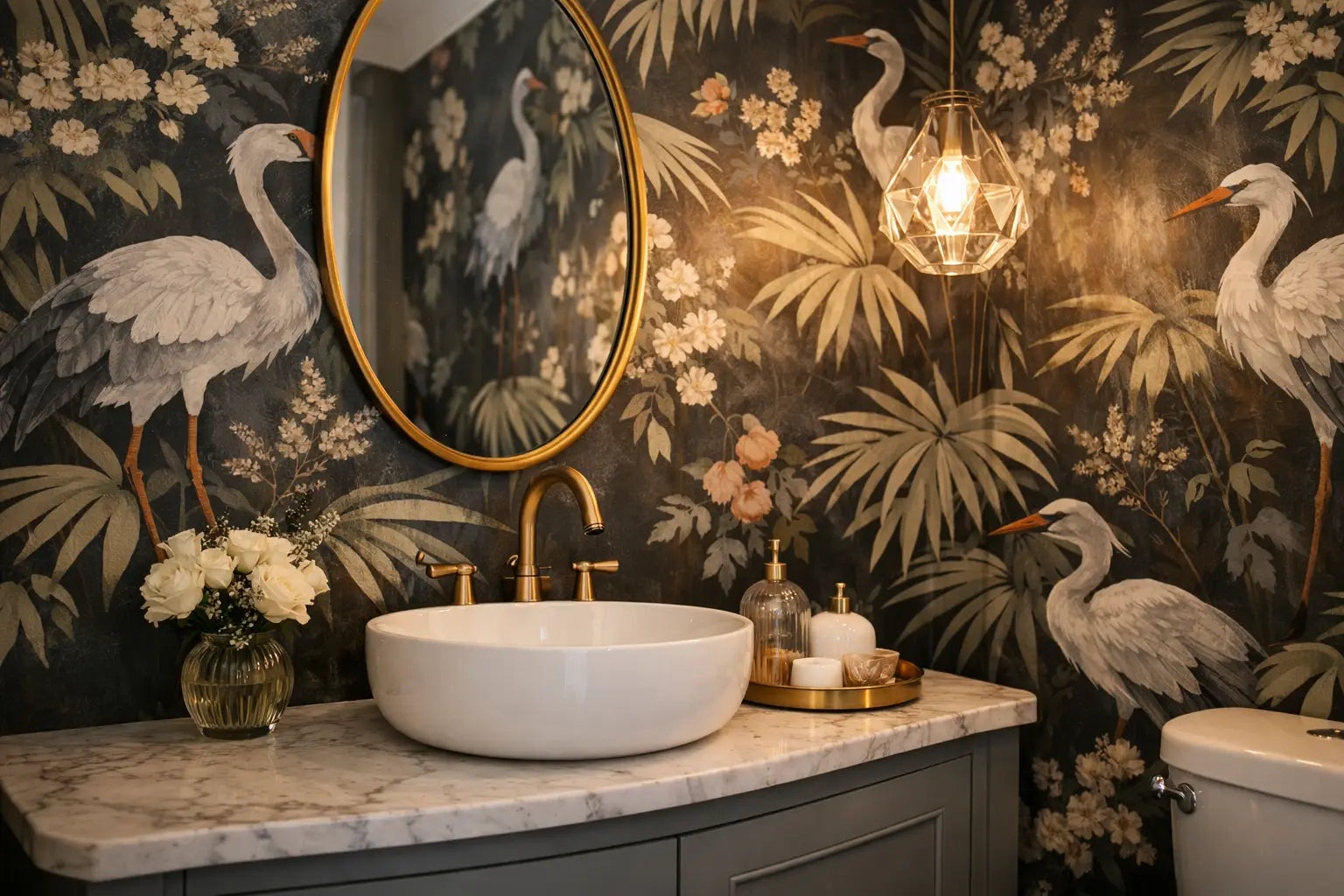
Powder rooms are where many homeowners take a chance. Because the space is smaller, you can go deeper in color or choose a more noticeable texture without overwhelming the home. That said, material matters. In a room where moisture and splashing are possible, a performance-minded textured wallpaper may be the better option than natural grasscloth.
How to choose the right look for your style
The smartest way to shop is to think in layers. Start with the room's fixed elements, then consider the mood you want, and only then focus on the exact wallpaper type.
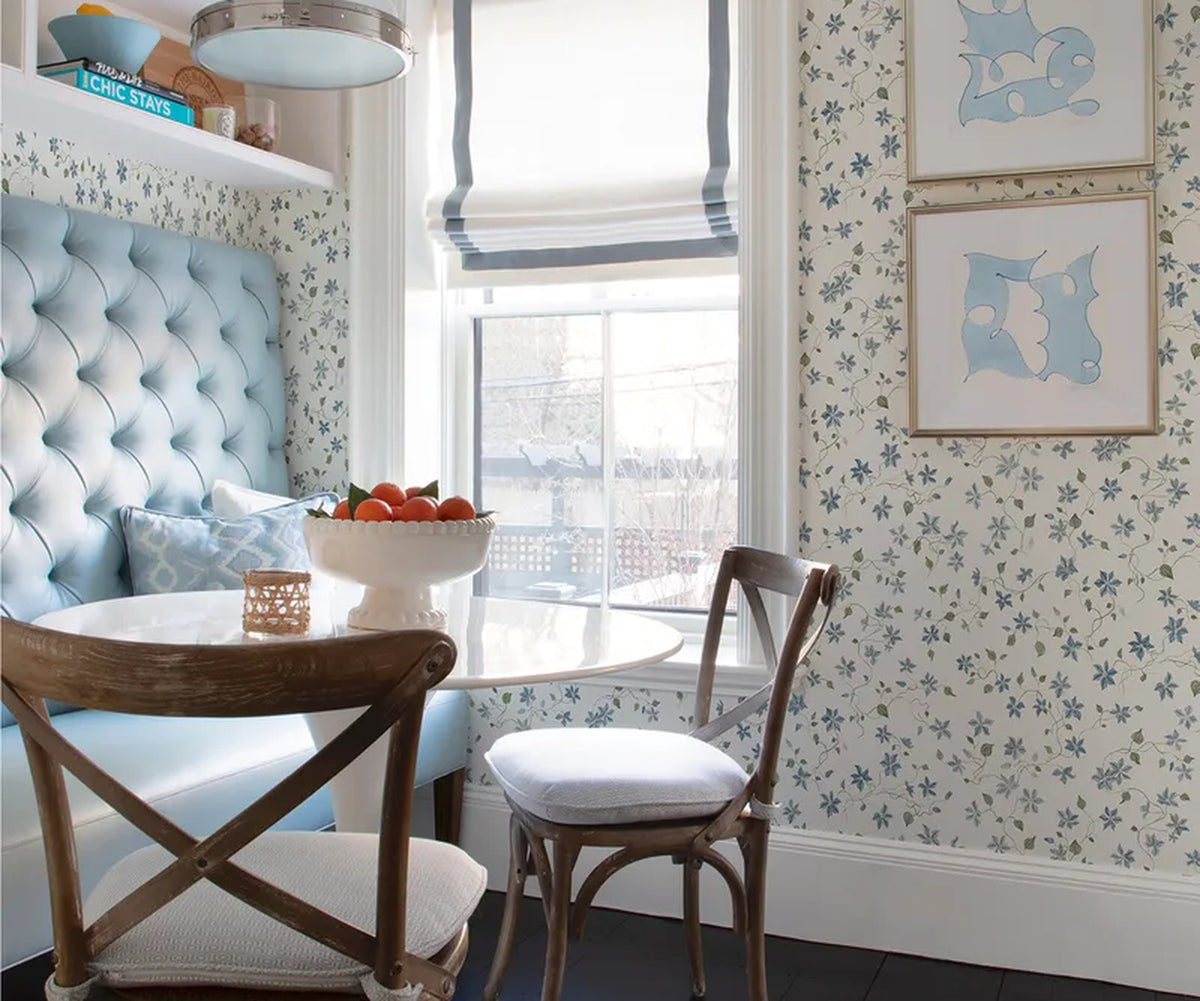
If your home leans traditional, look for refined textures in soft neutrals, warm taupes, muted blues, or classic metallic touches. These finishes add polish without competing with millwork, antiques, or formal furnishings. In transitional spaces, grasscloth often works beautifully because it bridges classic architecture and cleaner, updated furniture.
If your style is more modern, consider texture with a quieter pattern and a clearer structure. Linear effects, subtle geometrics, and monochromatic finishes tend to feel current while still softening the room. A sleek interior often needs texture even more than pattern because it prevents the space from feeling cold.
For coastal, organic, or nature-inspired interiors, grasscloth is an obvious favorite. Its woven character, earthy fibers, and tonal variation bring a relaxed sophistication that feels collected rather than staged. Pair it with natural woods, stone, and soft textiles for a room that feels grounded.
Color matters just as much as material. Lighter shades reflect more light and help texture read as airy and understated. Darker colors make texture feel richer and more dramatic. Neither is better. It depends on the room size, the natural light, and how bold you want the finished result to be.
The trade-offs worth knowing before you buy
Beautiful wallcoverings perform best when expectations are clear. Grasscloth, in particular, has qualities that some shoppers adore and others find surprising.
Visible seams and shading are common with natural grasscloth. If you expect a uniform wall, that may not be the right category for you. If you appreciate handcrafted variation, those same features become part of the beauty. This is why samples matter so much. Seeing texture in person tells you more than a screen ever can.
Textured wallpaper can offer easier care, but performance varies by material. Some are more forgiving in active spaces, while others are chosen mainly for decorative appeal. Installation can also differ. Certain wallcoverings are more DIY-friendly, while others benefit from a professional installer, especially in rooms with tricky corners, strong light, or prominent focal walls.
There is also the question of scale. Texture that looks subtle on a sample can have a much stronger presence across four full walls. In other cases, a room with heavy drapery, patterned rugs, and statement furniture may need a quieter texture to avoid visual crowding. Balance is what makes the final design feel intentional.
Shopping with more confidence
Wallpaper is easier to choose when you can compare material, color, and finish side by side. That is especially true for tactile wallcoverings. Grasscloth and textured wallpaper are categories where sample access and in-person viewing make a real difference because texture is not just visual. It is experiential.
For shoppers who want to see how different materials read in natural and artificial light, a well-stocked showroom can remove a lot of guesswork. It helps you compare subtle neutrals, understand scale, and decide whether you want authentic natural variation or a more tailored textured finish. That hands-on confidence is one reason Wallpaper and Stuff has remained a trusted destination for homeowners and decorators looking for both inspiration and practical selection support.
The best choice is the one that suits your room, your lifestyle, and the finish you want to live with every day. Texture has a way of making a space feel finished, but the right texture makes it feel personal. Start with the room that needs the most transformation, trust what you respond to in person, and let the walls do more of the design work.