Celebrating 35+ Years

Paste-the-Wall Wallpaper Comparison Guide
That first strip of wallpaper can set the tone for an entire project. If you have ever wrestled with a pasted sheet that softened too quickly, stuck to itself, or stretched before it reached the wall, the appeal of a cleaner method is easy to understand. This paste the wall wallpaper comparison looks at how the application method changes installation, removal, material choices, and the finished look.
Paste-the-wall wallpaper has become a favorite for homeowners who want a polished, high-impact room without making wallpaper installation harder than it needs to be. It is especially well suited to feature walls, bedrooms, dining rooms, and powder rooms where pattern and texture can completely change the atmosphere. Still, it is not automatically the right choice for every wallcovering or every surface.
What Paste-the-Wall Wallpaper Means
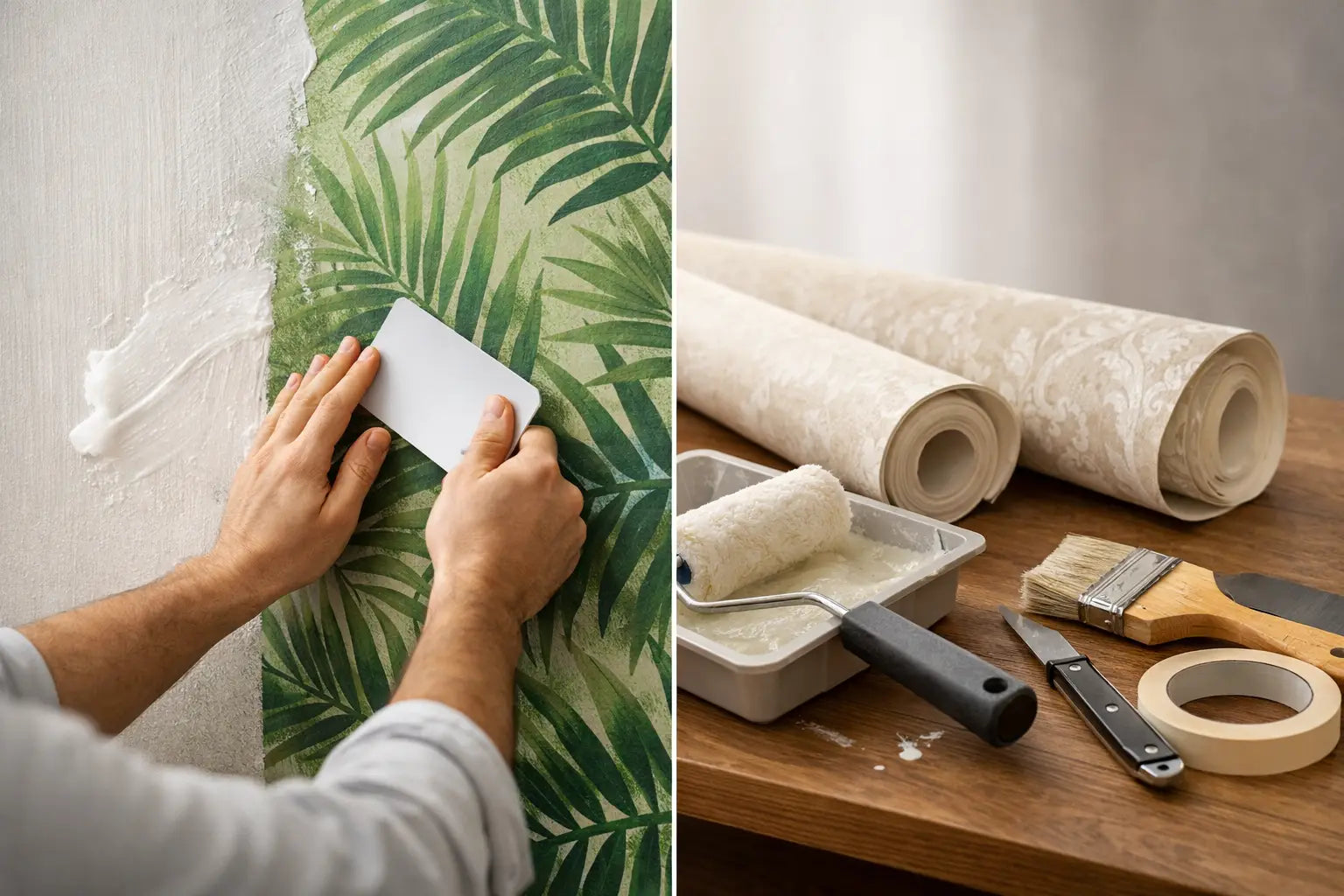
With paste-the-wall wallpaper, adhesive is rolled directly onto the prepared wall rather than onto the back of each wallpaper strip. The dry strip is then positioned over the pasted area, smoothed into place, and trimmed. Most paste-the-wall products are non-woven wallcoverings, made with a blend of natural and synthetic fibers that helps the material remain stable when wet.
That stability is the key difference. Traditional paper wallpaper often expands after paste is applied, which is why installers "book" it by folding pasted sides together for a specified amount of time. Paste-the-wall non-woven wallpaper generally does not require booking. You apply adhesive in a section, hang the dry panel, and move on to the next drop.
The method is convenient, but the label matters. Not every non-woven wallpaper is paste-the-wall, and not every wallpaper can be installed with the same adhesive. Always follow the manufacturer’s instructions for the specific wallcovering in hand.
Paste-the-Wall Wallpaper Comparison: How It Stacks Up
The best installation method depends on the product, the room, and your comfort level. Paste-the-wall wallpaper is often compared with traditional paste-the-paper products and peel-and-stick wallpaper, but each has a distinct place in home decorating.
Paste the wall vs. paste the paper
Paste-the-paper wallpaper is the classic method. Paste goes on the back of the strip, and the material is typically booked before hanging. This approach is common with many traditional papers and specialty wallcoverings. It can be an excellent choice for certain printed papers, delicate designs, and products that specifically call for it.
Paste-the-wall wallpaper is usually more forgiving for a capable DIY homeowner because dry strips are easier to carry, align, and reposition at the top of the wall. There is less chance of paste getting onto the face of the paper while handling it, and less need for a large pasting table. Cleanup can also be simpler because the adhesive stays largely on the wall.
The trade-off is that paste must be applied evenly and far enough beyond each seam. A dry edge can lead to lifting later. You also need to work at a steady pace, particularly in warm, dry rooms where adhesive can begin to set faster than expected.
Paste the wall vs. peel and stick
Peel-and-stick wallpaper has a pre-applied adhesive backing. It can be appealing for renters, temporary updates, and small projects because no separate paste is required. For some spaces, especially a small accent area, it offers a quick path to color and pattern.
Paste-the-wall wallpaper often provides a more traditional wallcovering feel and a broader range of elevated finishes. It is widely available in refined prints, textured non-wovens, and designer-inspired patterns. It can also be easier to slide slightly into alignment during installation, while peel-and-stick material tends to grab the wall as soon as it touches down.
Peel-and-stick results depend heavily on surface preparation and wall paint. Textured walls, dusty surfaces, newly painted walls, or areas with humidity can affect adhesion. Paste-the-wall products need their own preparation, of course, but a properly primed wall and quality adhesive create a dependable bond for a longer-term design decision.
Paste the wall vs. pre-pasted wallpaper
Pre-pasted wallpaper has adhesive on its backing that is activated with water. It reduces the need to buy paste, but the strips must still be wetted and usually booked. The process can be tidy when done carefully, though handling wet paper takes attention.
Paste-the-wall wallpaper keeps the material dry until it reaches the wall. For many homeowners, that control is the major advantage. It is easier to see the pattern, manage long drops, and avoid over-soaking or tearing a strip before it is installed.
Installation Benefits That Matter in a Real Home
Paste-the-wall wallpaper is not simply a shortcut. Its benefits are practical, particularly in furnished homes where projects need to stay organized. You do not need to clear space for a pasting table, and you can apply adhesive one strip at a time rather than managing several booked lengths at once.
A typical installation calls for a wallpaper paste recommended by the manufacturer, a roller or brush for adhesive, a smoothing tool, a sharp utility knife, a straightedge, a level, and a clean damp sponge. The wall should be smooth, clean, dry, and properly primed. Primer is not an optional finishing touch. It helps adhesive grip evenly, makes future removal more manageable, and prevents the wall surface from absorbing paste unevenly.
Begin with a plumb vertical line rather than trusting a corner, since many corners are not truly straight. Apply paste slightly wider than the first strip, hang the dry wallpaper from the top, and smooth from the center outward to release air. Match the pattern carefully before trimming. Then paste the next section, making sure adhesive reaches the seam area without leaving thick ridges beneath the paper.
For a dramatic mural, an oversized repeat, a stairwell, or walls with many windows and doors, professional installation can still be worthwhile. The material may be easier to handle, but pattern placement and precise cuts remain skilled work.
Removal and Long-Term Flexibility
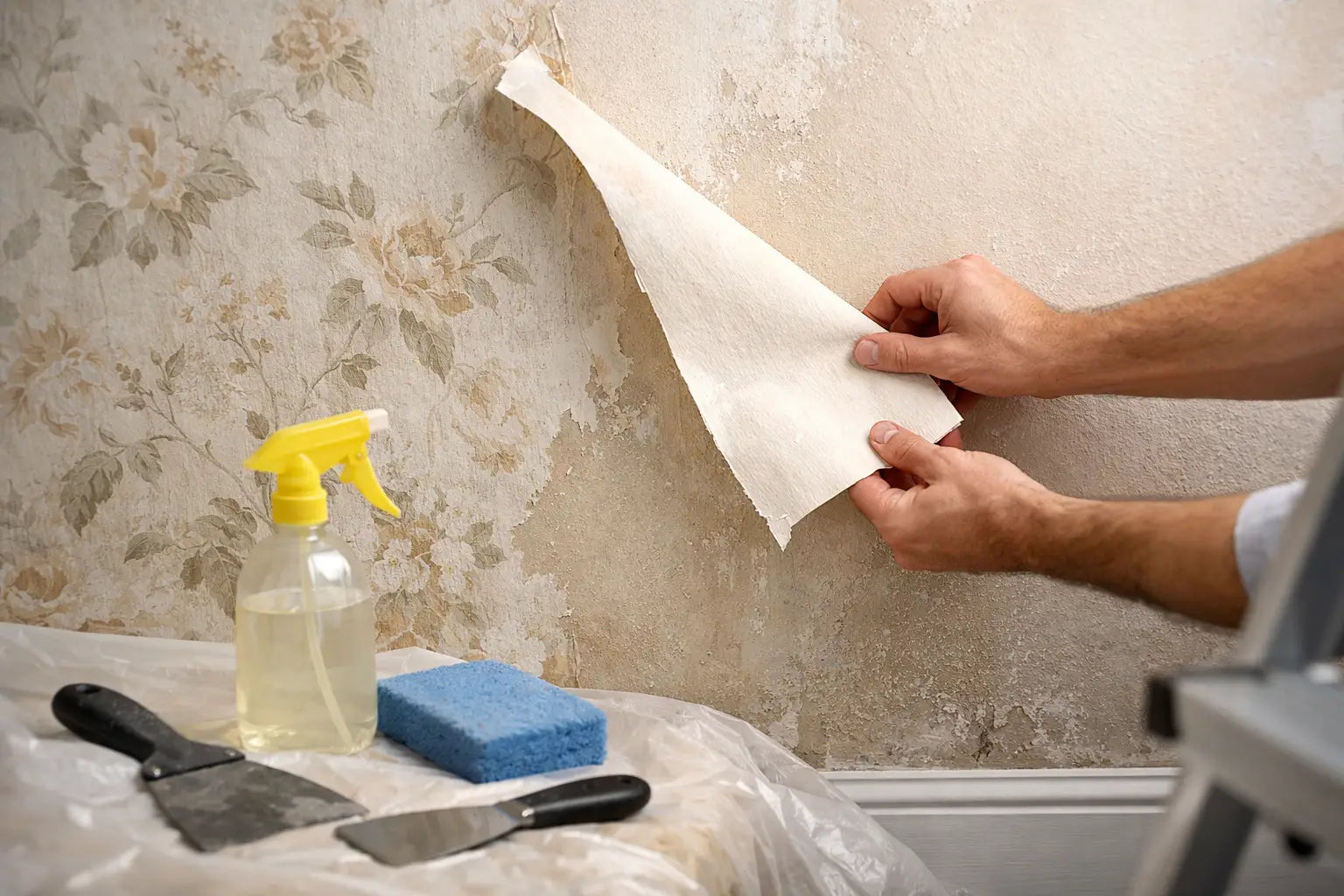
Many paste-the-wall non-woven wallpapers are marketed as dry strippable. When the time comes for a new look, the wallpaper may peel away in full sheets from a properly primed wall, leaving minimal backing behind. That is a meaningful advantage for homeowners who enjoy refreshing rooms as their style evolves.
Dry strippable does not mean every removal is effortless. Results depend on wall prep, the type of paint or primer underneath, moisture exposure, how long the wallpaper has been installed, and whether the correct adhesive was used. Specialty materials such as grasscloth, cork, vinyl, flock, and heavily textured wallcoverings may follow different installation and removal requirements regardless of their visual similarity to non-woven wallpaper.
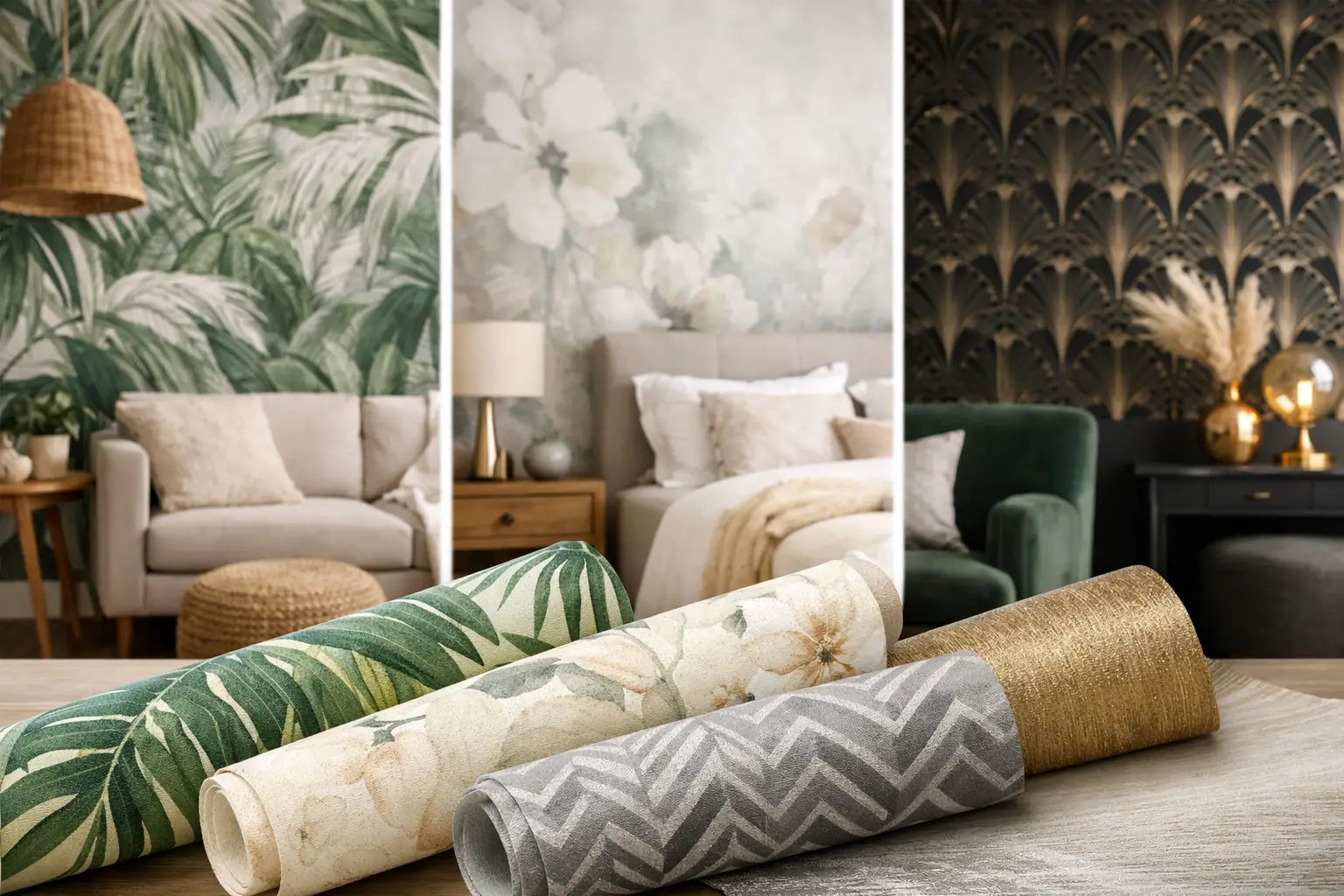
This is where selecting by material is just as important as selecting by pattern. A richly textured grasscloth can bring warmth and natural variation to a dining room, but it is not chosen for the same reasons as a washable vinyl in a busy hallway. The installation method should support the wallcovering, not override it.
Where Paste-the-Wall Wallpaper Works Best
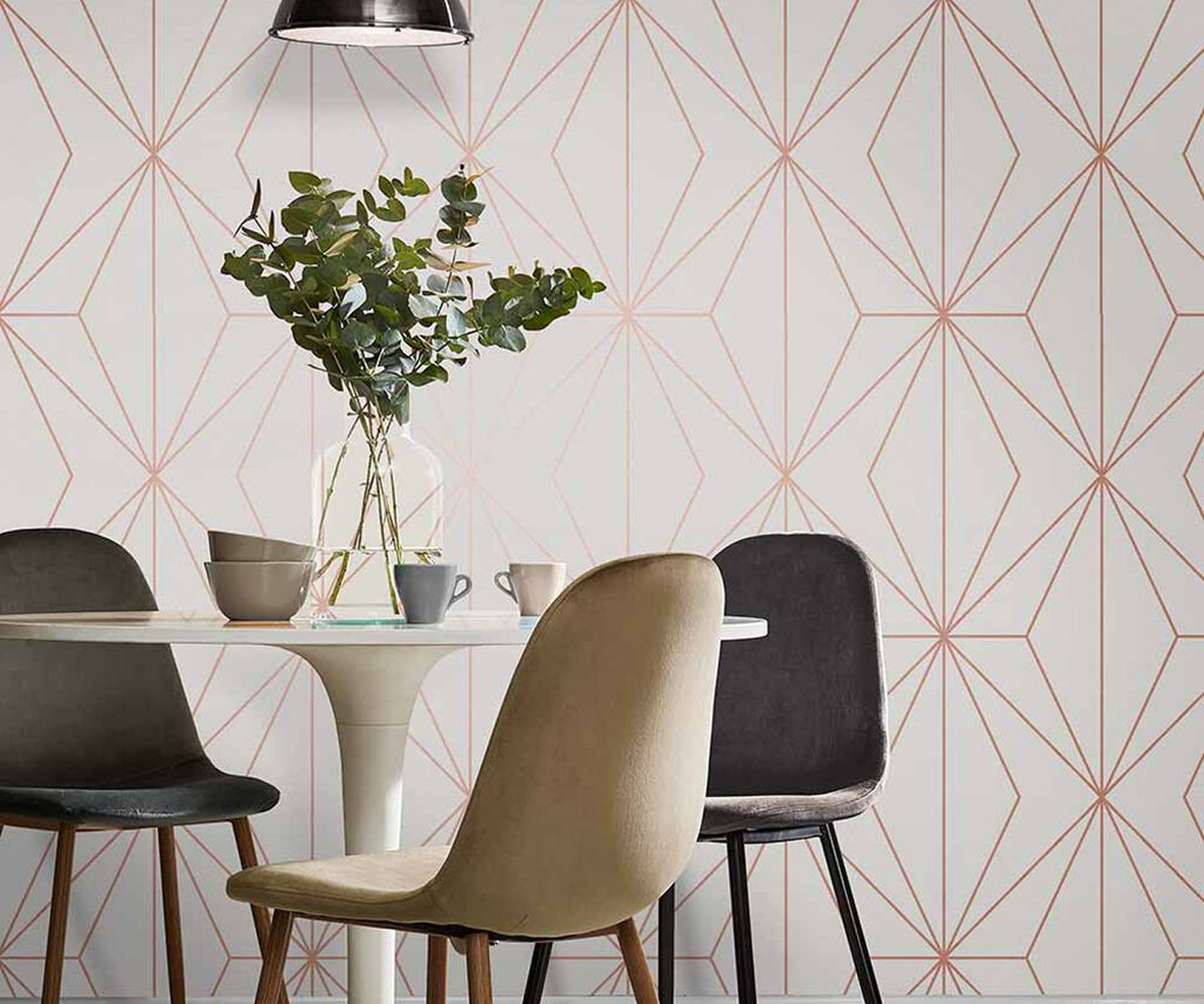
A paste-the-wall product can be an especially smart fit for a bedroom feature wall, a dining room with a bold botanical print, a living room wrapped in a soft geometric, or a powder room that calls for more personality. Non-woven designs are often ideal when you want crisp pattern matching and an installation process that feels approachable.
For bathrooms, consider the room’s ventilation and the wallpaper’s stated performance. A well-ventilated powder room is different from a full bath with frequent steam. In kitchens, avoid assuming that any wallpaper will perform well behind a range or in a high-splash zone. Washable vinyl or another purpose-suited wallcovering may be the better choice in hardworking areas.
Textured walls deserve special attention. Wallpaper can soften minor imperfections, but it will not hide heavy orange-peel texture, loose paint, or uneven drywall seams. Surface preparation often determines whether the result looks custom or frustrating.
How to Choose With Confidence
Start with the feeling you want the room to have, then narrow the selection by material, scale, and installation requirements. A small-scale print may feel calm in a compact space, while a large mural or expressive floral can create a memorable focal point. Order or view samples whenever possible. Colors shift with natural light, lamps, surrounding paint, and nearby furnishings, while texture is impossible to judge fully from a screen.
Before purchasing, confirm the pattern repeat, roll dimensions, recommended paste, matching method, and whether the product is specifically labeled paste the wall. Measure carefully and allow extra material for pattern matching, awkward cuts, and a little insurance. A wallpaper calculator helps establish a starting quantity, but rooms with tall ceilings, arches, or many openings may need closer review.
For Atlanta-area shoppers, Wallpaper and Stuff’s showroom offers a useful advantage: the chance to compare color, scale, and texture in person before a room’s design is committed. Whether you shop in person or from home, a sample and a clear installation plan make the decision feel far less uncertain.
The right wallpaper should feel exciting when you unroll it, not intimidating when it is time to hang it. Choose the material and application method that suit your walls, your room, and the kind of finish you want to enjoy for years.