Celebrating 35+ Years

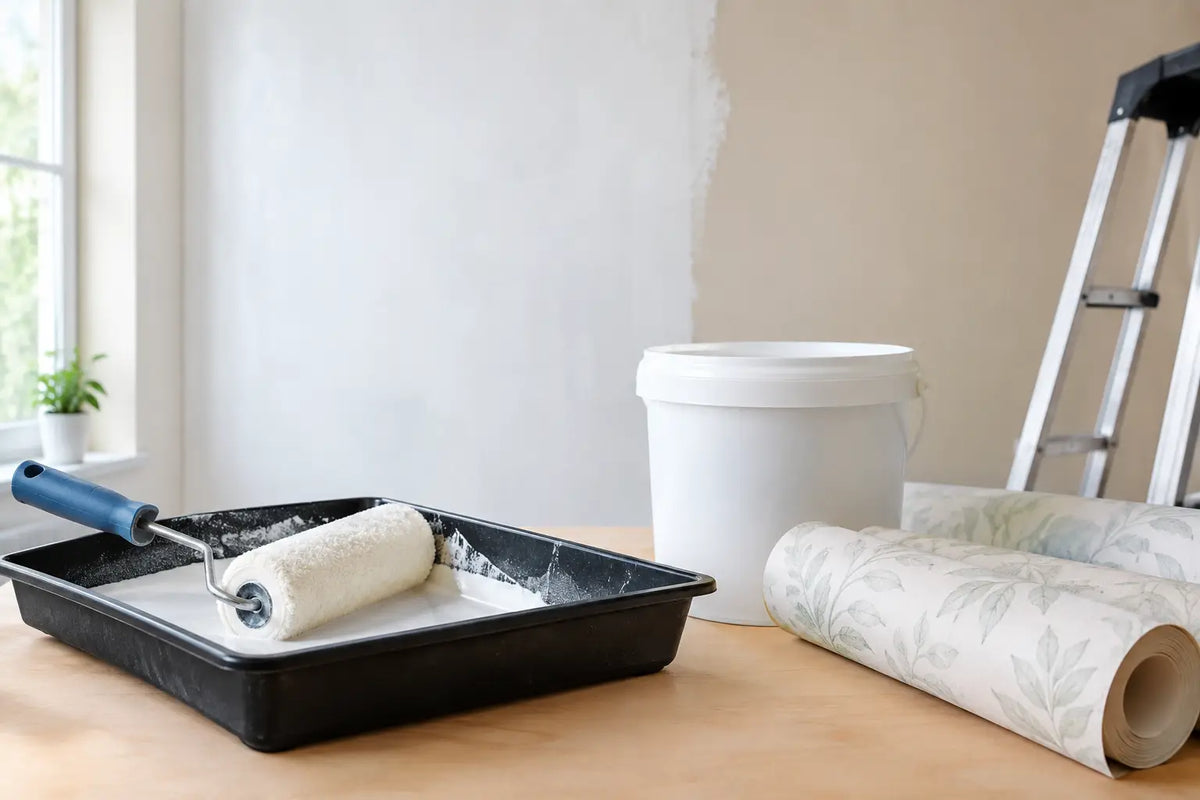
Is Wallpaper Primer Needed Before You Hang?
A beautiful wallpaper pattern can only look as polished as the wall beneath it. If you are asking, “is wallpaper primer needed?” the practical answer is usually yes - especially when you want clean seams, easier installation, and the option to redecorate later without damaging the wall.
Primer is not the glamorous part of a room transformation. It will not add color, texture, or a statement-making botanical print. But it creates the dependable surface that allows the wallcovering you chose to perform as it should. For a feature wall, powder room, bedroom, or full-room refresh, preparation is where a lasting result begins.
Is Wallpaper Primer Needed on Every Wall?
Most wallpaper installations benefit from a wallpaper-specific primer, also called a wallcovering primer. It is particularly worthwhile on new drywall, repaired walls, previously painted surfaces, and walls that have had wallpaper removed. Even a wall that appears smooth may have uneven porosity, small repairs, or residue that affects how adhesive grabs.
A primer made for wallcoverings helps create a consistent surface. That consistency matters because drywall compound, bare paper facing, paint, and patched areas can all absorb moisture differently. When adhesive dries at different rates across a wall, seams may tighten, edges can lift, and the finished pattern may not lie as evenly as expected.
There are a few exceptions. Some peel-and-stick wallcoverings have their own surface requirements and may call for clean, smooth, fully cured paint rather than a traditional primer. Certain specialty materials also come with manufacturer-specific instructions. Always follow the recommendations supplied with your particular wallpaper first, especially for grasscloth, cork, flocked designs, and other dimensional wallcoverings.
What Wallpaper Primer Actually Does
Wallpaper primer is often confused with ordinary paint primer, but the two products are designed for different jobs. Paint primer prepares a surface to receive paint. Wallcovering primer prepares it to receive adhesive-backed or pasted wallpaper, while helping protect the wall underneath.
A quality wallcovering primer typically seals porous surfaces, improves adhesion, and gives you better “slip” while hanging. Slip is the small amount of working time that lets an installer position a strip accurately before the adhesive sets. That flexibility is valuable when matching a detailed geometric, aligning a mural, or working with a bold repeat.
It also acts as a barrier between the adhesive and the wall. This can make future removal far more manageable. No primer can guarantee that every wallpaper will peel away effortlessly years later, since removal depends on the material, adhesive, wall condition, and installation method. Still, a properly primed wall is much less likely to lose its drywall facing when it is time for a new look.
Primer, Sealer, and Sizing Are Not Always the Same
The terminology can get confusing because products may do more than one job. A sealer helps close a porous or compromised surface. A primer creates a compatible foundation for wallcovering. Sizing is traditionally used to adjust surface porosity and improve workability.
For most residential projects, a wallcovering primer that is also a sealer is the straightforward choice. If the wall has stains, heavy texture, old adhesive, moisture damage, or glossy paint, the prep plan may need an extra step. The goal is not simply to coat the wall. It is to create a clean, sound, smooth, and uniform surface.
When Primer Is Especially Important
New drywall should always be primed before wallpaper goes up. Drywall mud and paper facing absorb moisture differently, and bare drywall is vulnerable during later removal. A wallcovering primer helps even out the surface and protects the substrate.
Previously painted walls usually need primer as well, particularly if the existing finish is flat, matte, dark, patched, or several years old. Flat paint can be more porous than it looks. Dark colors may also show through light-colored wallpaper if the wallcovering is not fully opaque.
Primer is equally useful after removing old wallpaper. Even when the paper comes down in large sheets, adhesive residue can remain. Wash and rinse the wall, allow it to dry, repair any imperfections, sand smooth, then prime. Hanging fresh wallpaper over old paste or loose backing can lead to a disappointing finish, no matter how striking the new design may be.
High-traffic and moisture-prone spaces deserve careful preparation, too. In a powder room, hallway, or busy family space, well-prepared walls help wallcovering stay secure and look refined. That does not mean wallpaper primer solves an active moisture issue. If a wall is damp, moldy, or affected by a leak, repair the underlying problem before decorating.
How to Prepare a Wall for Wallpaper Primer
The wall does not need to be perfect at the start, but it does need to be made ready. Begin by removing outlet covers, nails, hooks, and loose material. Clean off dust, grease, and residue with an appropriate cleaner, then let the wall dry completely.
Next, fill holes, dents, and cracks with spackle or joint compound. Sand repairs until they blend into the surrounding wall. Wallpaper can be surprisingly revealing, especially under side lighting. A delicate grasscloth, a metallic surface, or a pale geometric print may highlight bumps that ordinary paint would disguise.
If the wall has orange-peel texture or a pronounced knockdown finish, skim coating may be necessary. Wallpaper needs a surface that is smooth enough for full contact. Heavily textured walls can create visible voids, prevent firm adhesion, and make seams harder to manage.
Once repairs are clean and dry, apply the wallcovering primer according to the product label. Use a roller for broad areas and a brush to cut in at corners, trim, and around openings. Allow the primer to cure for the stated time before installing wallpaper. Rushing this step can introduce moisture beneath the wallcovering and undo the care you put into preparation.
Choosing the Right Primer for Your Wallpaper Type
The wallcovering material should guide your product choice. Non-woven wallpaper is popular because it is dimensionally stable and often easier to remove, but it still benefits from a properly primed wall. Traditional paper wallpapers need an even, sealed surface to avoid uneven paste absorption. Vinyl wallcoverings often call for a strong adhesive bond and a smooth substrate.
Natural materials require added attention. Grasscloth has visible seams by design and may vary in tone from strip to strip, which is part of its tailored, organic appeal. Because it cannot be scrubbed or pasted carelessly, a clean and prepared wall is essential. Cork, flocked, beaded, and textured wallcoverings can be less forgiving of wall imperfections, too.
For light, white, or translucent designs, consider a primer color that supports the finished look. Many installers use a white pigmented wallcovering primer beneath pale papers. Some dark or richly colored wallcoverings may benefit from a tinted primer so a thin seam line does not reveal a bright wall color underneath. Check the wallpaper manufacturer’s guidance before tinting or selecting a colored product.
Common Shortcuts That Cause Trouble
The most common shortcut is hanging directly over unprimed drywall. It may seem to save a day, but it can create an uneven bond and make eventual removal much harder. Another is priming over dirty walls, old paste, or flaking paint. Primer is a foundation coat, not a fix for loose or contaminated surfaces.
Avoid assuming that any leftover paint primer will do the same job. Some paint primers create a surface that is too slick, too absorbent, or otherwise incompatible with wallcovering adhesive. Similarly, do not use a glossy painted wall as-is simply because it feels smooth. Glossy finishes often need cleaning, light sanding or deglossing, and the right wallcovering primer for dependable adhesion.
Finally, give prep products time to dry and cure. A room may feel ready when the wall is dry to the touch, but the label instructions are the better guide. Good wallpaper is an investment in the character of your home. A little patience before the first strip goes up protects that investment.
A Better Start for a Beautiful Finish
Wallpaper turns an ordinary wall into a focal point, whether your style leans timeless, colorful, textured, or quietly tailored. At Wallpaper and Stuff, samples can help you see how a pattern behaves in your room’s real light, while the right prep helps that selection look its best once it is installed.
Choose a wallcovering primer suited to your wall and wallpaper type, address any surface issues before hanging, and let each prep layer cure fully. Then your new wallpaper has the clean, stable backdrop it needs to transform the room with confidence.