Celebrating 35+ Years

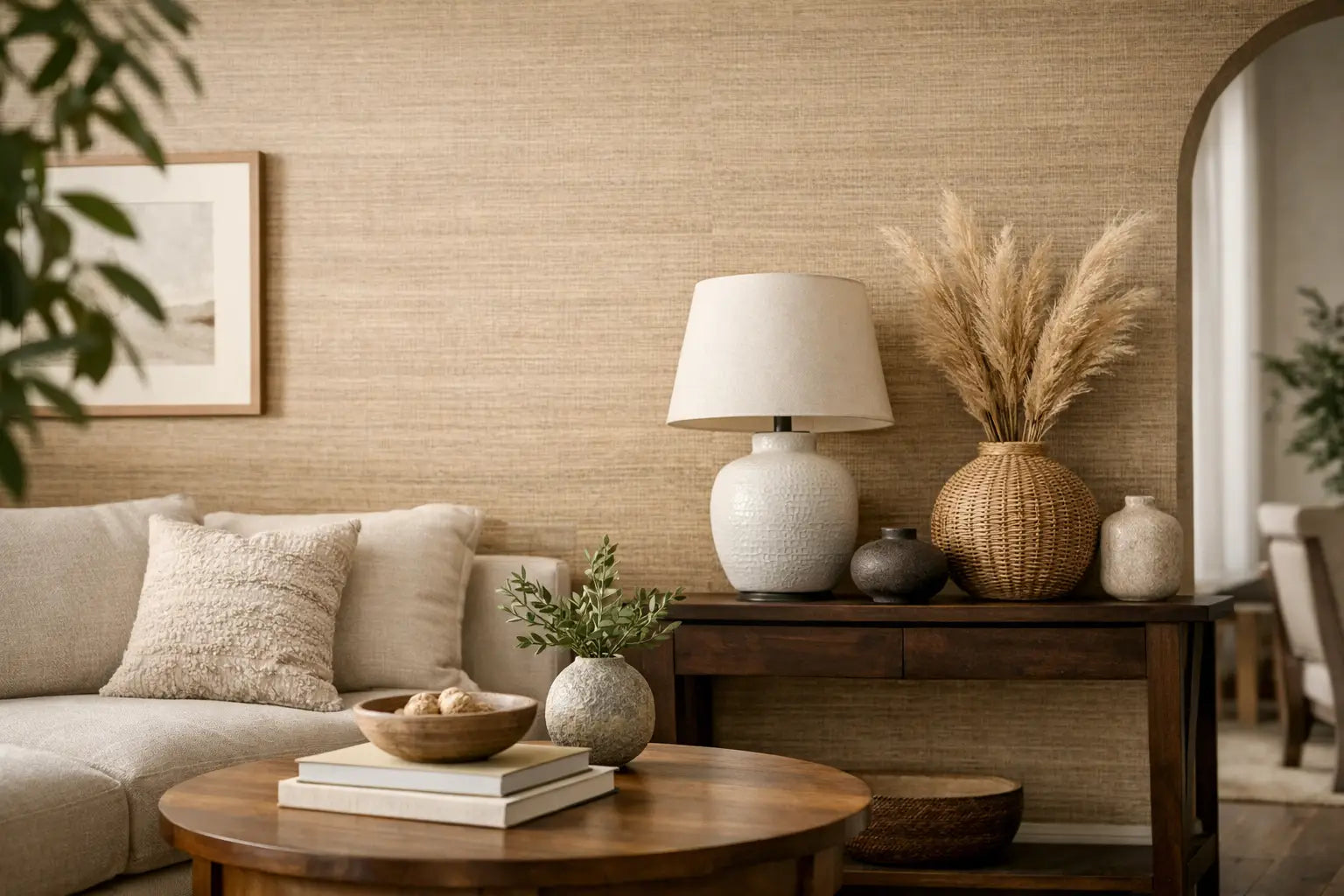
How to Decorate With Grasscloth Wallpaper
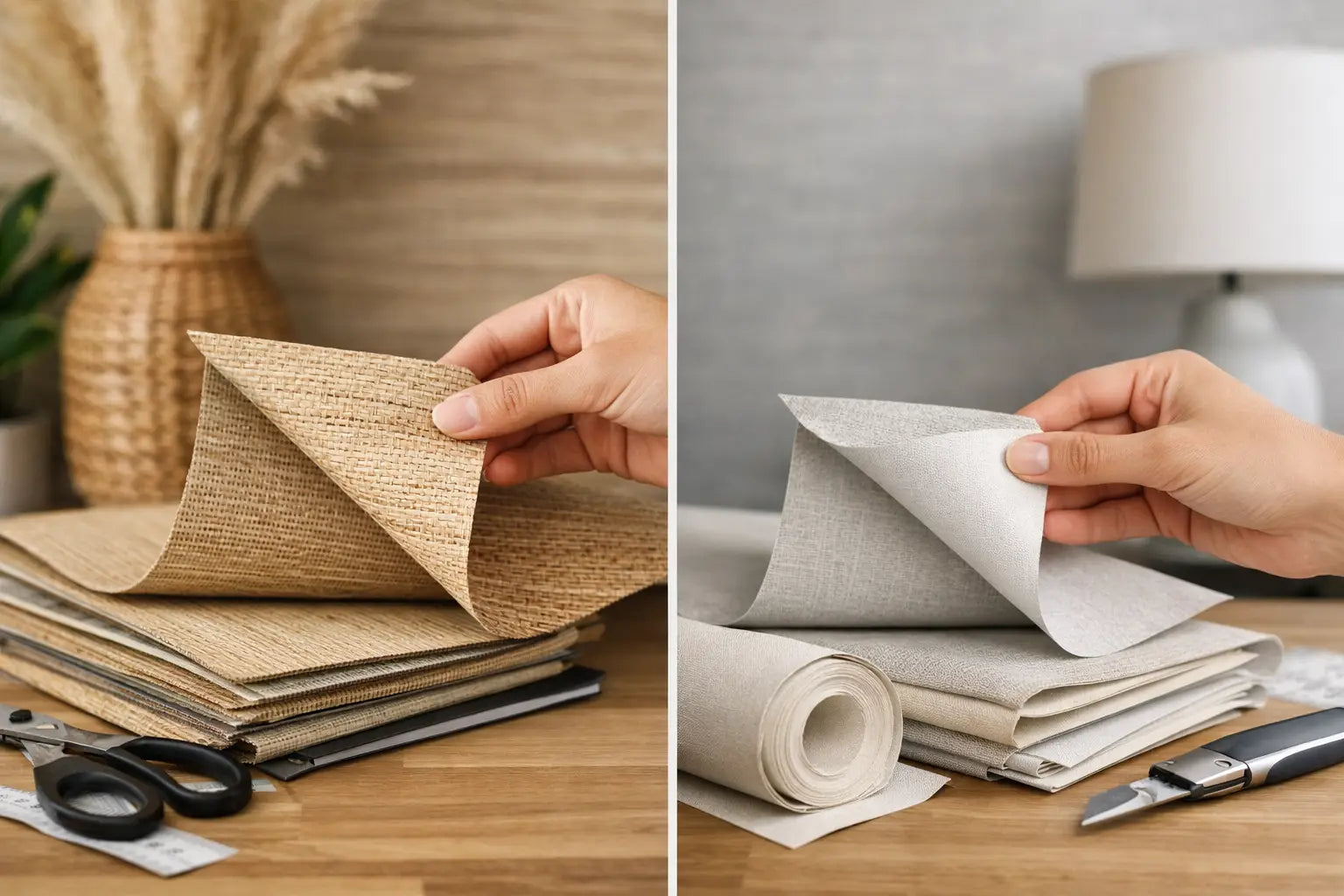
Grasscloth does more than cover a wall. Its woven fibers catch the light, create movement, and give a room the kind of depth paint cannot replicate. If you are wondering how to decorate with grasscloth wallpaper, start by treating it as a material, not just a color. The texture is the feature, and the best rooms make space for it to be noticed.
Made from natural fibers such as jute, sisal, hemp, arrowroot, or seagrass, traditional grasscloth brings an organic, tailored finish to interiors from relaxed coastal spaces to formal dining rooms. It can feel quietly neutral or richly dramatic depending on the weave and color. The key is balancing its visual character with furnishings, lighting, and finishes that support the look rather than compete with it.
Start With the Room's Job
Grasscloth has presence, which makes it particularly effective in rooms where atmosphere matters. A dining room becomes warmer and more considered. A bedroom gains a calm, layered backdrop. In a home office, the texture can make a practical space feel more inviting during long workdays.
For a first grasscloth project, a powder room, entryway, or single accent wall can be a smart choice. These smaller applications let you enjoy the material's impact without committing to an entire open floor plan. In a larger room, wrapping all four walls creates a more immersive result, especially when the space has good natural light or carefully planned lamps.
Consider the room's conditions before choosing a natural wallcovering. Traditional grasscloth is best suited to dry, climate-controlled spaces. It is generally not the right choice for a high-splash bathroom, a steamy shower area, or a wall likely to receive frequent food splatters. A vinyl or grasscloth-look wallcovering may offer the same textural direction with easier care where moisture and mess are part of everyday life.
How to Decorate With Grasscloth Wallpaper by Color
The color of grasscloth often reads differently throughout the day because the fibers reflect light unevenly. That variation is part of its appeal. A soft flax, warm ivory, or pale gray grasscloth can create an elegant foundation while still bringing more dimension than a flat painted wall.
For a light, open room, choose tones that relate to natural materials already in the space. Sand, oatmeal, mushroom, and soft sage work beautifully with white oak, linen upholstery, travertine, and woven accents. These shades make a room feel collected without asking every piece to match exactly.
Darker grasscloth shifts the mood in a more dramatic direction. Deep navy, charcoal, chocolate, forest green, and black can make a dining room, library, or bedroom feel intimate and polished. Pair a darker wallcovering with warm metal lighting, a pale rug, or creamy upholstery so the room retains contrast. A dark wall does not need dark furniture to feel sophisticated.
If you prefer color, let grasscloth deliver it with restraint. Dusty blue, olive, terracotta, and muted plum feel especially rich in a woven finish because the visible fibers soften the intensity. A bright, highly saturated grasscloth can be striking, but it needs a simpler supporting cast: clean-lined furniture, fewer competing patterns, and a focused palette.
Let the Weave Be the Pattern
A common decorating mistake is treating grasscloth like a blank neutral. Even when it is beige or gray, it has a clear visual rhythm created by the weave, horizontal lines, and natural tonal shifts. In most rooms, grasscloth should be the primary texture and the quietest patterned element.
That does not mean the rest of the room must be plain. A tailored stripe on an accent chair, a small-scale botanical pillow, or a patterned rug can work beautifully. The goal is scale and separation. If the wallcovering has a pronounced horizontal weave, choose textiles with a softer, less linear motif. If you bring in a bold floral or geometric fabric, use it in a smaller dose so the wall remains the anchor.
Natural materials are an easy companion, but they should not all be identical. Mix the grasscloth with smooth painted trim, polished ceramic, antique brass, leather, glass, or lacquered wood. That contrast keeps the room from looking overly rustic or visually flat. In a more traditional home, grasscloth can sit comfortably beside detailed millwork and classic upholstery. In a modern room, it adds warmth against streamlined silhouettes and minimal furnishings.
Choose Furniture That Creates Contrast
Grasscloth is at its best when furniture has enough shape to stand in front of it. A low, boxy sofa in the same midtone as the wallpaper can disappear into the wall. Instead, build contrast through color, scale, or profile.
Against pale grasscloth, consider walnut, ebony, painted cabinetry, or upholstered pieces in camel, rust, navy, or soft green. Against dark grasscloth, cream boucle, natural linen, pale oak, and light-toned artwork can lift the room. A curved chair, sculptural console, or upholstered headboard also creates a welcome break from the wallpaper's fine horizontal movement.
Be intentional about what touches the wall. Large bookcases and heavy built-ins can cover the very texture you selected, while a well-proportioned mirror or console allows it to remain visible. In an entry, a simple bench with an open base can show off more of the wallcovering than a bulky storage piece.
Use Lighting to Bring Out the Texture
Grasscloth changes with light, so lighting should be part of the plan rather than an afterthought. Daylight often reveals the fibers most clearly, while lamps and sconces give the wall a softer evening glow. A pair of sconces on a grasscloth-covered dining room or bedroom wall can make the weave feel especially dimensional.
Avoid relying solely on harsh overhead lighting. It can flatten the room and emphasize shadows in an unflattering way. Layered lighting works better: ambient ceiling light, table lamps for warmth, and accent lighting where you want to draw attention to a focal wall.
Metal finishes offer another opportunity for contrast. Aged brass feels warm and classic against tan, olive, navy, and deep brown grasscloth. Polished nickel and black metal can make lighter gray, blue, or charcoal weaves feel more tailored and contemporary. Test samples near the actual fixtures when possible, since sheen can noticeably affect the final impression.
Frame It With Trim, Art, and Window Treatments
Painted trim is one of the easiest ways to make grasscloth feel finished. Crisp white trim provides traditional contrast, while a trim color pulled from the wallpaper creates a more enveloping, custom look. Deep blue grasscloth with matching blue trim, for example, can turn a basic room into a dramatic jewel box.
Artwork belongs on grasscloth, but edit carefully. One oversized piece, a centered mirror, or a disciplined grid of frames usually has more impact than a crowded gallery wall. Choose mats and frames that create clear definition against the texture. Slim black frames, warm wood, and antique gold are reliable choices, depending on the room's style.
For windows, consider whether you need softness or structure. Linen drapery pairs naturally with grasscloth, especially in bedrooms and living rooms, but choose a fabric that contrasts enough with the wall. Woven shades can also work, though layering too many similar fibers may make the room feel busy. If the wallpaper is highly textured, smooth drapery fabric is often the cleaner choice.
Plan for the Honest Character of Natural Wallcovering
Real grasscloth is not printed to look uniform. Color variations, visible seams, irregular fibers, and slight differences between strips are inherent to the material. These are not flaws to hide. They are the reason a grasscloth wall feels special and handmade.
Before installation, review the material in the room where it will live. Order a sample first and look at it in morning, afternoon, and evening light. For a larger project, work with an experienced installer who understands how to plan seams and accommodate natural variation. This is particularly worthwhile on walls with many corners, windows, or built-in details.
Measure carefully and allow for waste. The wallpaper calculator and sample options at Wallpaper and Stuff can help you approach the project with more confidence, whether you are refreshing one focal wall or furnishing an entire room around a new texture.
A well-chosen grasscloth wall does not need much decoration to make an impression. Give it breathing room, add pieces with contrast and purpose, and let the weave bring its quiet warmth to every hour of the day.