Celebrating 35+ Years

Wallpaper Versus Paint Cost: What Pays Off?
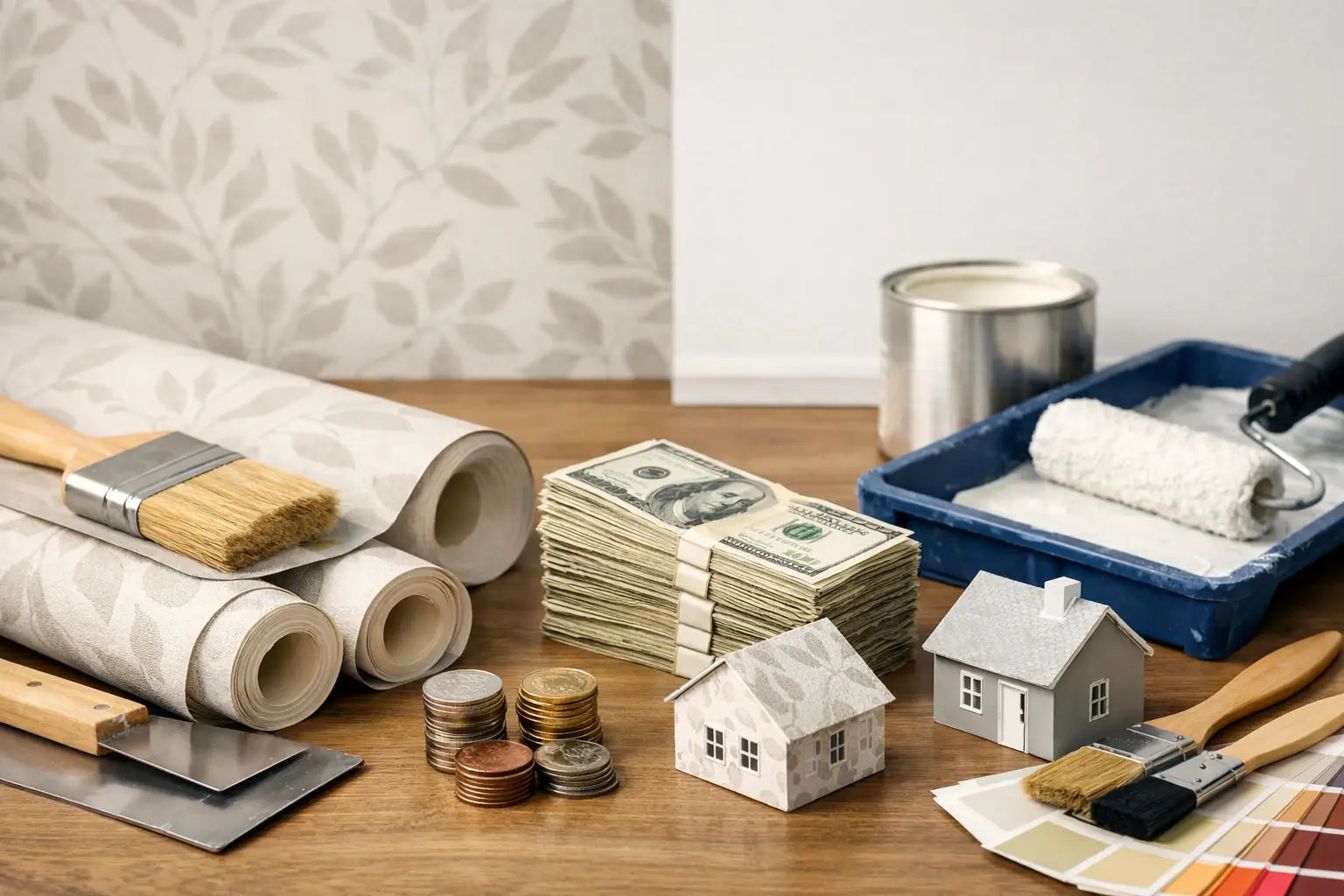
A gallon of paint can make wallpaper look like the expensive choice at first glance. But wallpaper versus paint cost is not simply a comparison between a can and a roll. The real number includes wall preparation, installation, lifespan, future updates, and the kind of finished room you want to come home to.
For a quick color refresh, paint is often the lower upfront investment. For a powder room with a dramatic botanical print, a textured dining room, or a feature wall that needs more than another neutral, wallpaper can deliver a design result that paint cannot easily duplicate. The better choice depends on the room, the condition of the walls, and how long you plan to enjoy the finish.
Wallpaper Versus Paint Cost at a Glance
Paint is generally less expensive to buy and easier for many homeowners to apply themselves. A typical paint project requires primer when needed, paint, rollers, brushes, tape, drop cloths, patching materials, and often two coats. Professional painters usually price work by the room, square footage, wall condition, ceiling height, and trim detail.
Wallpaper has a higher material cost in many cases. Pricing varies widely by construction and design, from budget-friendly vinyl and non-woven styles to natural grasscloth, cork, flocked, beaded, and other specialty wallcoverings. You will also need wallpaper paste or other installation supplies, depending on the product, plus enough extra material to match the pattern and allow for trimming.
Installation is the largest variable. Hanging a straightforward, paste-the-wall non-woven paper on smooth walls may be relatively efficient for a professional. A large-scale repeat, grasscloth, mural, or paper with detailed pattern matching takes more time and precision. That labor can move the total project cost well beyond a painted room.
Still, comparing the purchase price alone misses the point. Paint may be cheaper today, while wallpaper may create a longer-lasting focal point with a more distinctive finish. Neither is automatically the value choice in every space.
What Changes the Final Price?
The size and shape of the room matter, but wall condition often matters just as much. Fresh drywall, smooth plaster, and walls in good repair are simpler surfaces for either finish. Cracks, peeling paint, heavy texture, old adhesive, moisture damage, or uneven patches create prep work before paint or wallpaper should go up.
For paint, prep can include filling holes, sanding, caulking gaps, priming stains, and repairing damaged drywall. For wallpaper, walls should be clean, smooth, dry, and properly primed with a wallcovering primer. Skipping preparation may save money briefly, but it can lead to poor adhesion, visible imperfections, or a difficult removal process later.
Pattern repeat also affects wallpaper quantity. A small geometric repeat usually creates less waste than a large floral or scenic design that must line up precisely from strip to strip. Before ordering, measure each wall and account for windows, doors, ceilings, and pattern matching. A wallpaper calculator is useful for an early estimate, but a professional installer can help confirm quantities for complex rooms.
Material selection changes the budget as well. Washable vinyl can be a practical option for busy spaces. Non-woven wallpaper is popular for its dimensional look and installation-friendly construction. Natural materials such as grasscloth bring warmth and organic texture, but their color variations and visible seams are part of the intended character. They may also require a more experienced installer.
Upfront Cost vs. Years of Enjoyment
Paint typically needs refreshing sooner in high-contact rooms. Hallways, kitchens, kids' rooms, and entryways can collect scuffs, marks, and chips, especially with flat or lower-sheen finishes. A touch-up can be simple if you have leftover paint and the original finish still blends well, although sun exposure and aging can make exact touch-ups more noticeable over time.
Quality wallpaper can remain beautiful for many years when it is installed correctly and used in an appropriate room. That longer service life can improve its value, particularly in spaces where you want a finished, intentional look rather than a temporary color change. A classic stripe, refined texture, or timeless botanical may outlast several paint cycles.
That does not mean wallpaper belongs everywhere. If you repaint frequently, rent your home, or know you will want a new look within a couple of years, paint may be the more sensible choice. It offers flexibility at a lower replacement cost. Wallpaper is often a stronger investment when your design direction is clear and you want the room to feel complete for the long term.
Where Wallpaper Delivers More Design Value
Wallpaper has a unique advantage: it adds pattern, scale, depth, and tactile interest in one finish. Paint can create beautiful color, and specialty painting techniques can introduce movement, but wallcovering can make a small room feel layered and memorable without adding furniture or clutter.
Powder rooms are a classic example. Because the wall area is limited, the material budget may stay manageable even when you choose a more expressive print. A bold bird pattern, graphic geometric, or richly colored floral can turn an overlooked room into a favorite part of the home.
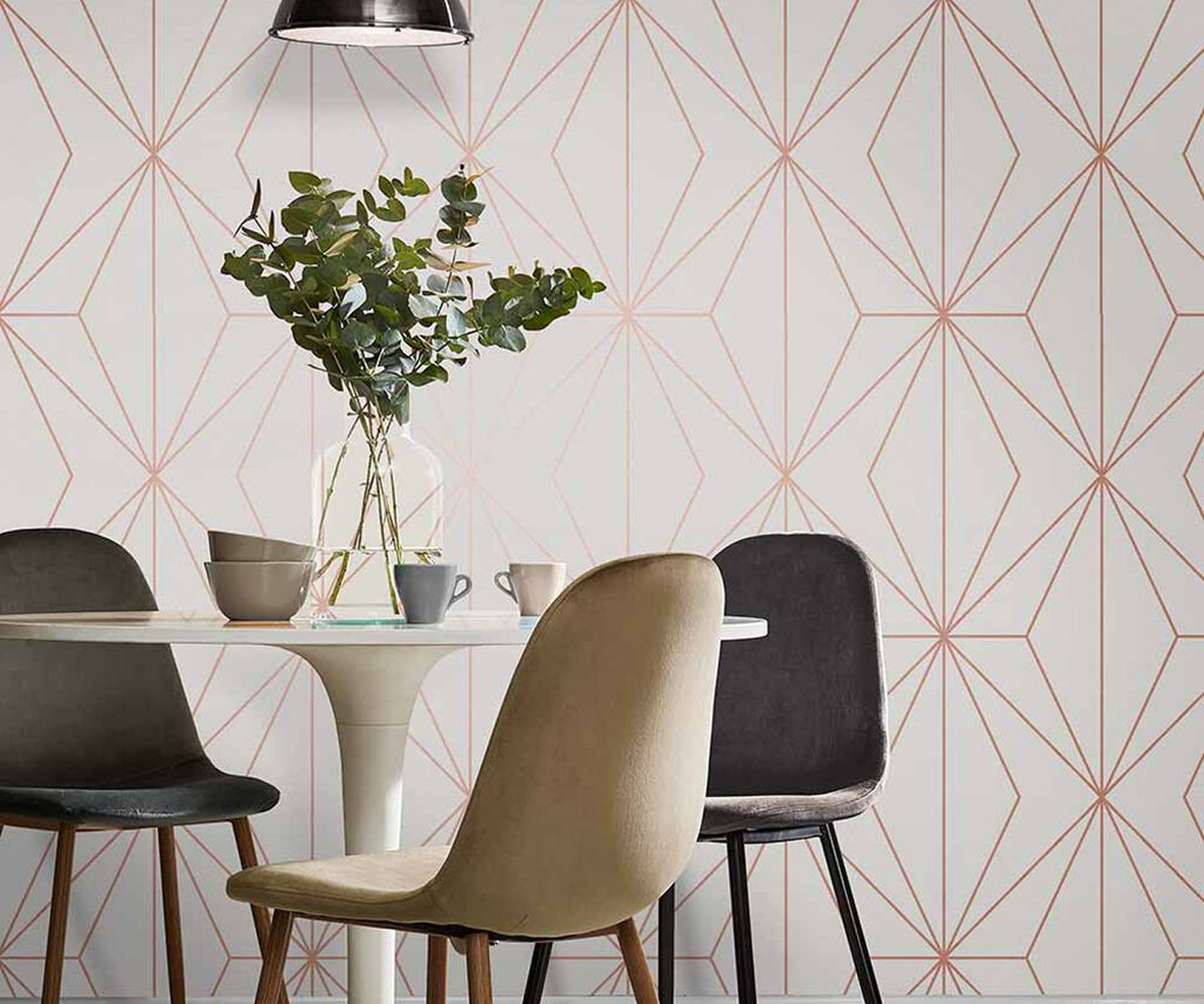
Dining rooms, bedrooms, foyers, and feature walls are also natural places to consider wallpaper. A grasscloth behind a bed can bring softness and texture. A geometric paper can sharpen a contemporary dining space. A paintable wallcovering can add dimension while still giving you the freedom to choose a custom paint color.
In these rooms, the question is not only, “What does it cost?” It is also, “What will this wall do for the space?” If wallpaper eliminates the need for extra art, elaborate molding, or a collection of decorative accessories, its higher initial cost may feel more justified.
When Paint Is the Better Buy
Paint is difficult to beat for large areas where you want consistency and budget control. Open-concept living spaces, ceilings, utility rooms, and frequently changing rooms are often ideal candidates. It is also practical when walls are likely to need repair, such as a playroom or a space undergoing future remodeling.
Paint can also support wallpaper beautifully. Use a coordinating color on surrounding walls and reserve wallcovering for an accent wall, alcove, ceiling, or dining room. This mixed approach can lower the total project cost while keeping the high-impact design moment that drew you to wallpaper in the first place.
If you are selling soon, the answer depends on your market and home. Fresh, well-chosen paint has broad appeal and can make a home feel clean and cared for. However, a tasteful wallpaper installation in a powder room, entry, or primary bedroom can help a home feel more polished and memorable. The key is choosing a style that suits the architecture and does not overpower the room.
Installation and Removal Deserve a Real Budget
Wallpaper installation is a skilled finish trade. Straight seams, accurate pattern matching, clean cuts around trim, and careful handling of corners all affect the result. A professional installer may be worth the added cost for expensive paper, detailed prints, textured materials, or rooms with challenging architecture.
DIY can be a good fit for confident homeowners using a forgiving product in a simple space. Start with a small wall rather than a full stairwell or a room full of windows and doors. Order a sample first, review the manufacturer's instructions, and make sure your walls are prepared for the specific type of wallpaper you select.
Removal should also be part of the conversation. Modern wallpapers installed over properly primed walls can be easier to remove than old papers many homeowners remember. Yet removal is never guaranteed to be effortless, especially if the original wall preparation was poor or the wallcovering has been in place for decades. Paint is usually simpler to change, although repainting may still require patching and priming.
A Smarter Way to Set Your Budget
Start by deciding which rooms need color and which rooms need character. Then price the project in complete terms: material, waste allowance, primer or prep, installation, and future maintenance. A lower-cost roll is not a bargain if it does not suit the room, while a premium wallpaper may be worthwhile when it creates the exact mood you have been trying to achieve.
Samples are especially valuable for this decision. View them against your flooring, upholstery, cabinetry, and natural light at different times of day. A pattern that feels subtle in a showroom may read much bolder across four walls, and a paint color that looks perfect on a swatch can shift noticeably in your home.
For homeowners in the Atlanta area, Wallpaper and Stuff's Smyrna showroom offers a practical place to compare materials and see the difference texture, scale, and color can make in person. Whether you choose paint, wallpaper, or a combination of both, the best investment is the finish that makes your room feel considered every time you walk in.