Celebrating 35+ Years

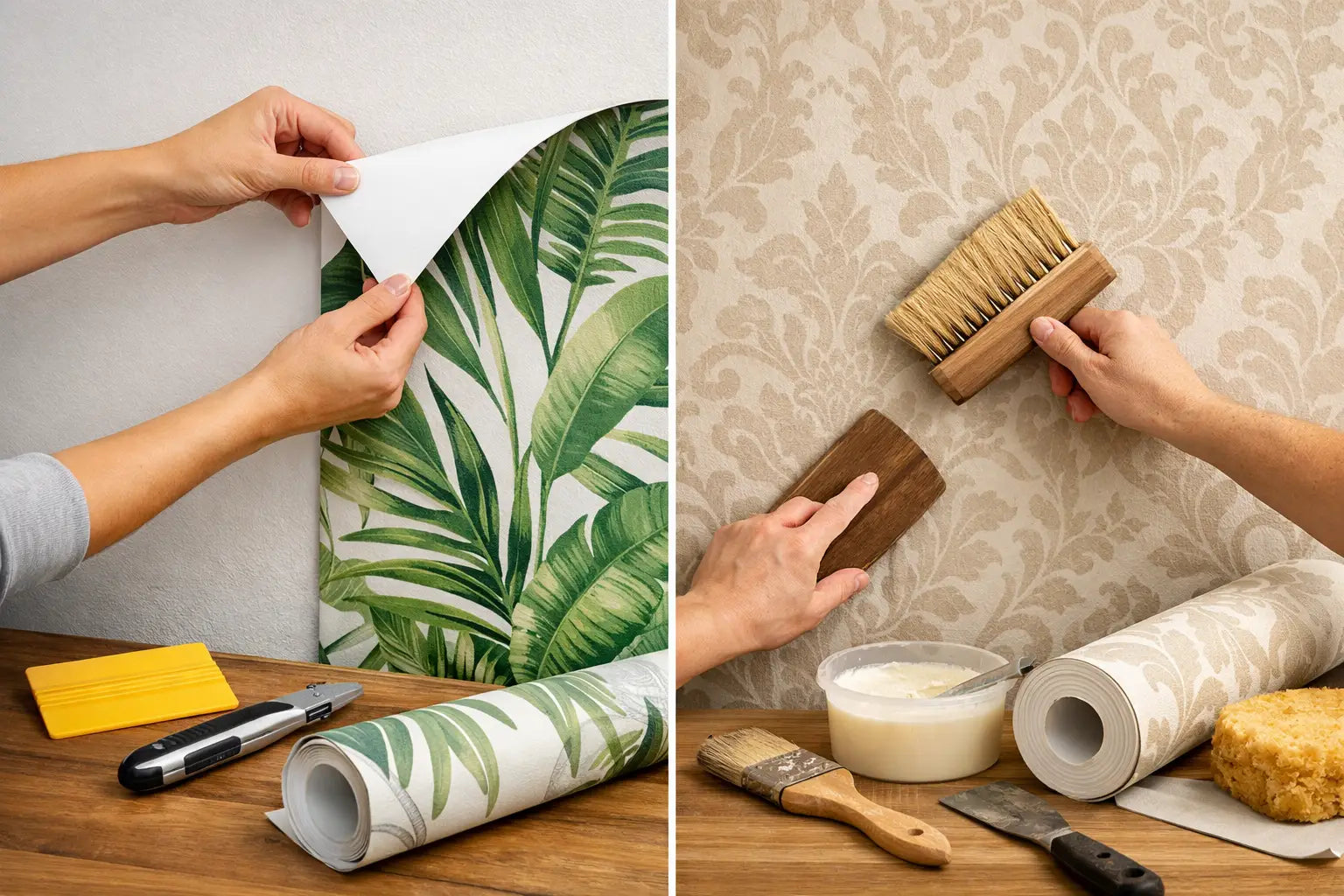
Peel and Stick Wallpaper Versus Traditional
A guest room makeover often starts with one deceptively simple question: should you choose peel and stick wallpaper or go with the traditional kind? When homeowners compare peel and stick wallpaper versus traditional wallpaper, they are usually weighing more than installation. They are deciding how permanent the look should feel, how much texture they want, and how the room needs to perform over time.
Both options can transform a space far beyond what paint can do. The right choice depends on the room, the wall surface, your comfort level with installation, and the finish you want to live with every day. If you are trying to create a polished, lasting result, it helps to understand where each wallpaper type shines and where it asks for compromise.
Peel and stick wallpaper versus traditional: what changes most?
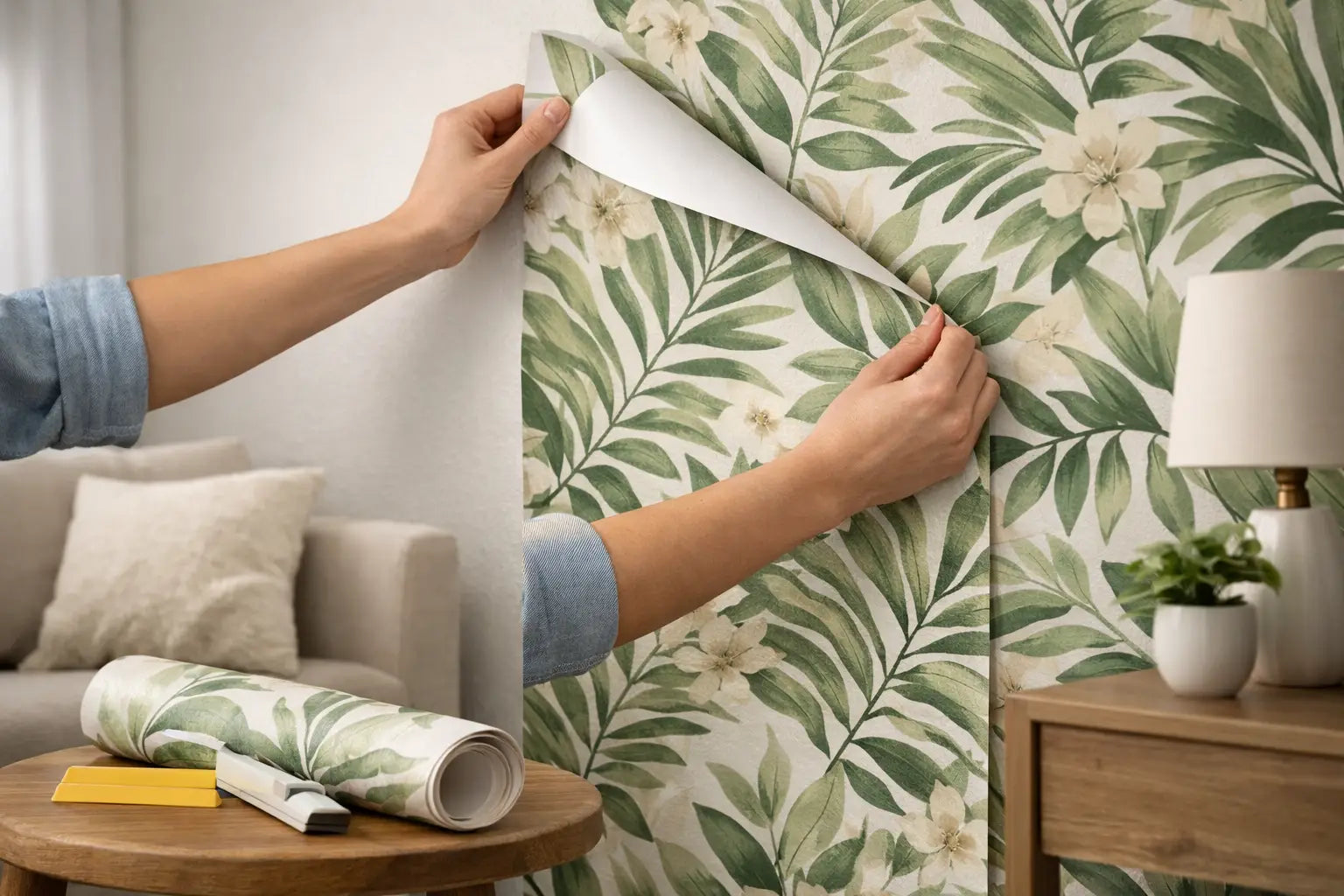
The biggest difference is in the installation method. Peel and stick wallpaper has a self-adhesive backing, so it goes up more like a large decal. Traditional wallpaper typically uses paste, either applied to the wall or the paper depending on the material. That change affects everything from ease of hanging to long-term durability.
Peel and stick is appealing because it feels accessible. Many shoppers like the idea of refreshing a powder room, nursery, or accent wall without mixing paste or hiring an installer. It can be especially attractive for renters or homeowners who enjoy changing looks more often.
Traditional wallpaper has a different appeal. It tends to feel more substantial, offers a broader range of materials and textures, and is often the better fit for rooms where you want a refined, finished effect that stays put. For design lovers who care about depth, hand, and craftsmanship, traditional wallcoverings usually open up more possibilities.
Installation is not just about difficulty
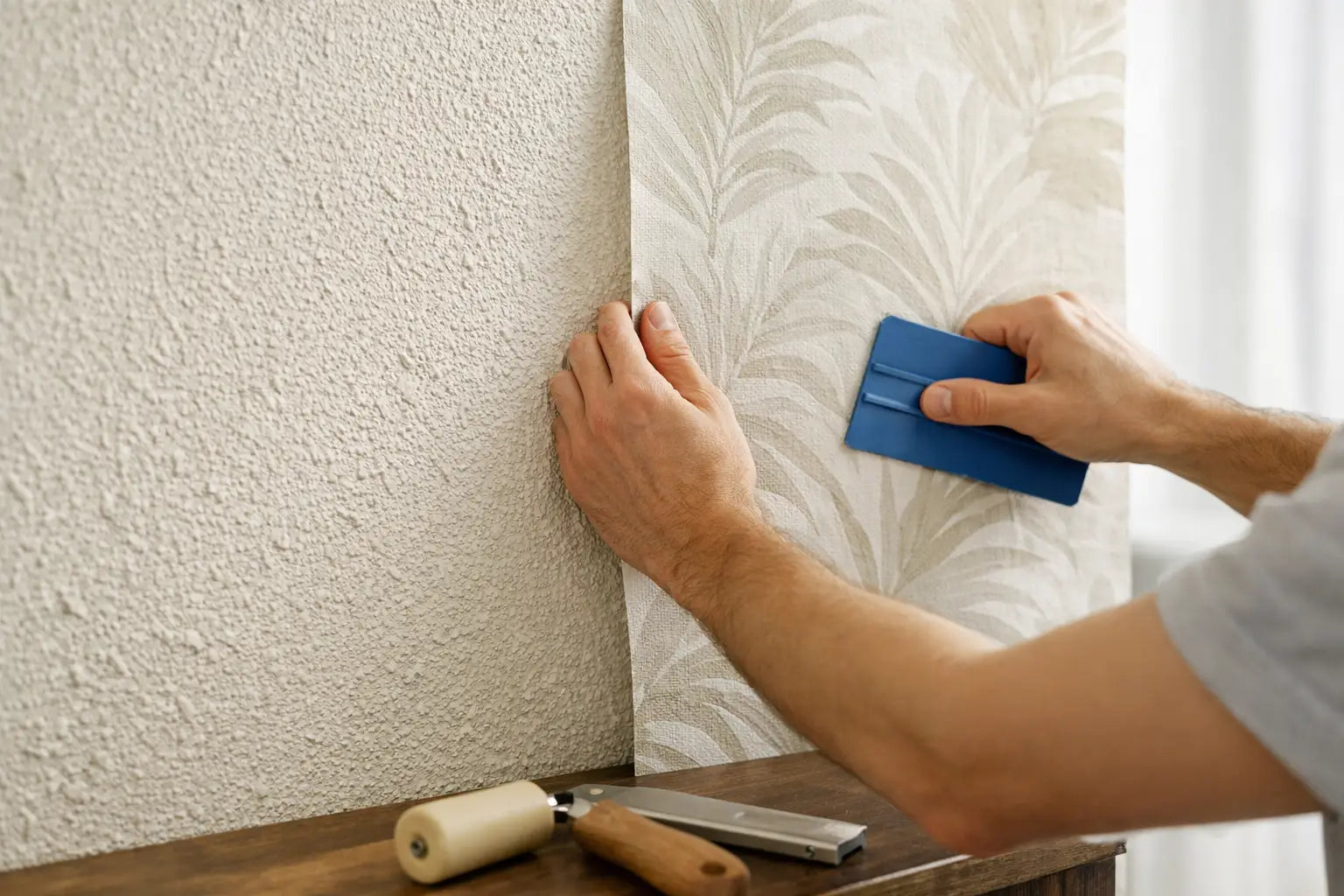
Peel and stick wallpaper is often framed as the easy option, but that is only partly true. It removes the paste step, which simplifies the process. At the same time, the adhesive grabs quickly, and larger panels can stretch, trap air, or misalign if the wall is not smooth and the installer is not patient.
Traditional wallpaper asks for more preparation, but it can be more forgiving in skilled hands. Depending on the substrate, the paste gives you a little working time to slide panels into place and line up the pattern. For detailed prints, mural-style layouts, or premium papers, that flexibility matters.
Wall condition plays a major role here. Peel and stick generally performs best on smooth, clean, properly painted walls. If the wall has texture, old paint issues, patchy repairs, or slight imperfections, adhesion can become inconsistent. Traditional wallpaper can still be sensitive to wall prep, but it often handles real-life wall conditions better when installed correctly.
Durability and staying power
If your goal is a long-term design choice, traditional wallpaper usually has the edge. It is designed to stay in place for years, and many materials hold up beautifully in everyday living spaces. Non-woven and vinyl options, in particular, can offer excellent performance in busy homes.
Peel and stick wallpaper can work well in lower-traffic areas, but it is not always the strongest performer over time. Corners may lift, seams can become visible, and humidity can be a factor, especially in bathrooms, laundry rooms, or rooms with fluctuating temperatures. Some products perform better than others, but this is a category where material quality matters a great deal.
That does not mean peel and stick is flimsy by definition. It means expectations should match the use case. For a quick style update, seasonal change, or lower-commitment project, it can be a smart solution. For a dining room, primary bedroom, or dramatic foyer treatment you want to enjoy for years, traditional wallpaper often feels more secure and complete.
Style range and visual depth
This is where traditional wallpaper often stands apart. If you are looking for grasscloth, cork, embossed finishes, flock, beaded details, paintable textures, or richly layered prints, traditional wallcoverings offer a wider design vocabulary. They can bring softness, dimension, and light play that a printed peel and stick surface may not fully replicate.
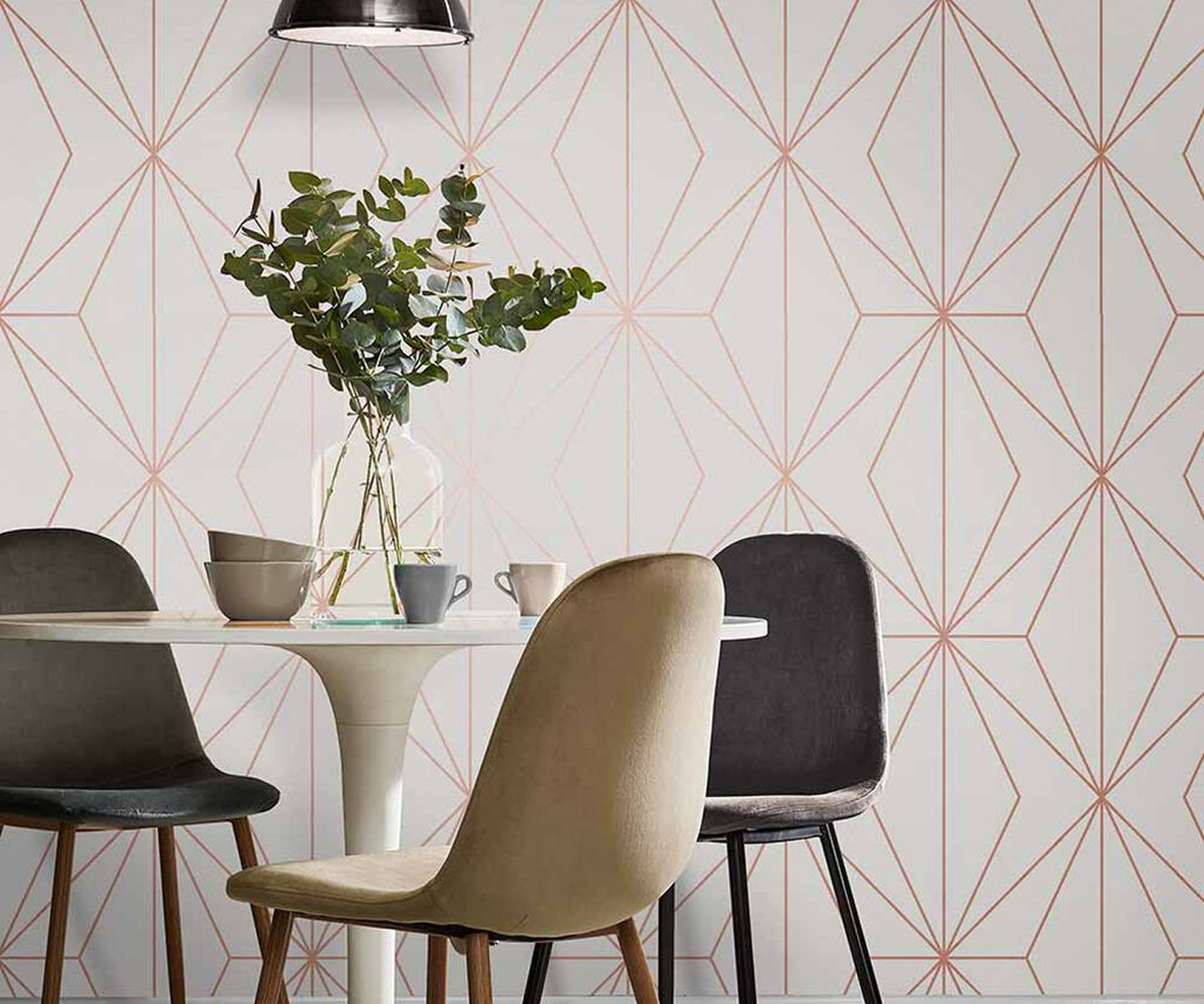
Peel and stick wallpaper has come a long way in style. There are many attractive patterns available, from modern geometrics to botanicals and soft neutrals. For simple decorative updates, the look can be excellent. Still, if you are chasing a truly elevated finish or want the tactile quality that makes wallpaper feel custom, traditional options tend to deliver more.
This difference matters most in rooms where the walls are doing serious design work. A powder room wrapped in a deep floral, a dining room with textured grasscloth, or a formal living space with a subtle metallic pattern benefits from materials that create presence, not just pattern.
Cost is more nuanced than it seems
At first glance, peel and stick can look like the budget-friendly answer. You may save on installation, especially if you plan to do it yourself. That makes it appealing for smaller projects or casual updates.
But total value is not just the roll price. If peel and stick fails to adhere well, needs replacement sooner, or limits your material choices, the savings may be narrower than expected. Traditional wallpaper may involve paste and possibly professional installation, yet it can offer better longevity, a more tailored finish, and access to higher-end constructions.
There is also the issue of waste. Misalignment with peel and stick can be frustrating, especially for beginners. With traditional wallpaper, pattern matching and trimming still require care, but many installers find the material easier to control once the proper method is in place.
For homeowners who want the best possible result, it is worth thinking in terms of cost over the life of the room, not just the day of purchase.
Best rooms for each option
When deciding between peel and stick wallpaper versus traditional wallpaper, room function helps narrow the field quickly.
Peel and stick can be a natural fit for apartments, dorm-style spaces, playrooms, temporary nurseries, or a single accent wall where ease and removability matter most. It also suits shoppers who enjoy refreshing their interiors more often and are comfortable with a lighter-commitment design decision.
Traditional wallpaper is often the better choice for entryways, dining rooms, bedrooms, living rooms, and powder rooms where visual impact and durability carry equal weight. It is also a strong option when you want specialty materials, designer patterning, or a wallcovering that feels integrated into the architecture of the room.
If you are decorating a forever home, renovating for resale, or investing in a polished finish, traditional wallpaper usually offers more design confidence.
Removal matters, but so does the wall underneath
Peel and stick is often marketed around easy removal, and that can be true under the right conditions. On a properly primed and painted wall, it may come off cleanly. On poorly prepped surfaces or walls with older paint, results can vary. Sometimes the adhesive pulls at the paint or exposes imperfections that were already there.
Traditional wallpaper has a reputation for being harder to remove, but newer non-woven products have improved that experience significantly. Some are designed to strip away in full sheets when installed and removed correctly. Again, the wall prep and product type matter as much as the category name.
So if removability is high on your list, do not stop at the label. Look closely at the wall condition, the substrate, and how long you expect the wallpaper to stay up.
How to choose with confidence
If you want an easy style change and can work with smooth walls, peel and stick may be exactly right. If you want a more permanent, design-forward finish with broader material options, traditional wallpaper is usually the stronger choice.
Samples are especially helpful here. Color, scale, surface sheen, and texture can look very different in person than they do on a screen. A large showroom or well-curated sample process can make decision-making much easier, especially when you are comparing a removable print against a more tactile traditional wallcovering.
For many homeowners, this is less about which option is better in the abstract and more about which one suits the room, the timeline, and the look they want to create. At Wallpaper and Stuff, that is often where the conversation becomes clearer: once you see the materials, feel the textures, and picture the room as a finished space.
Wallpaper should make your home feel more considered, more personal, and more complete. Choose the version that supports that vision, not just the one that seems easiest on day one.