Celebrating 35+ Years

Paintable Wallpaper for Walls: Is It Worth It?
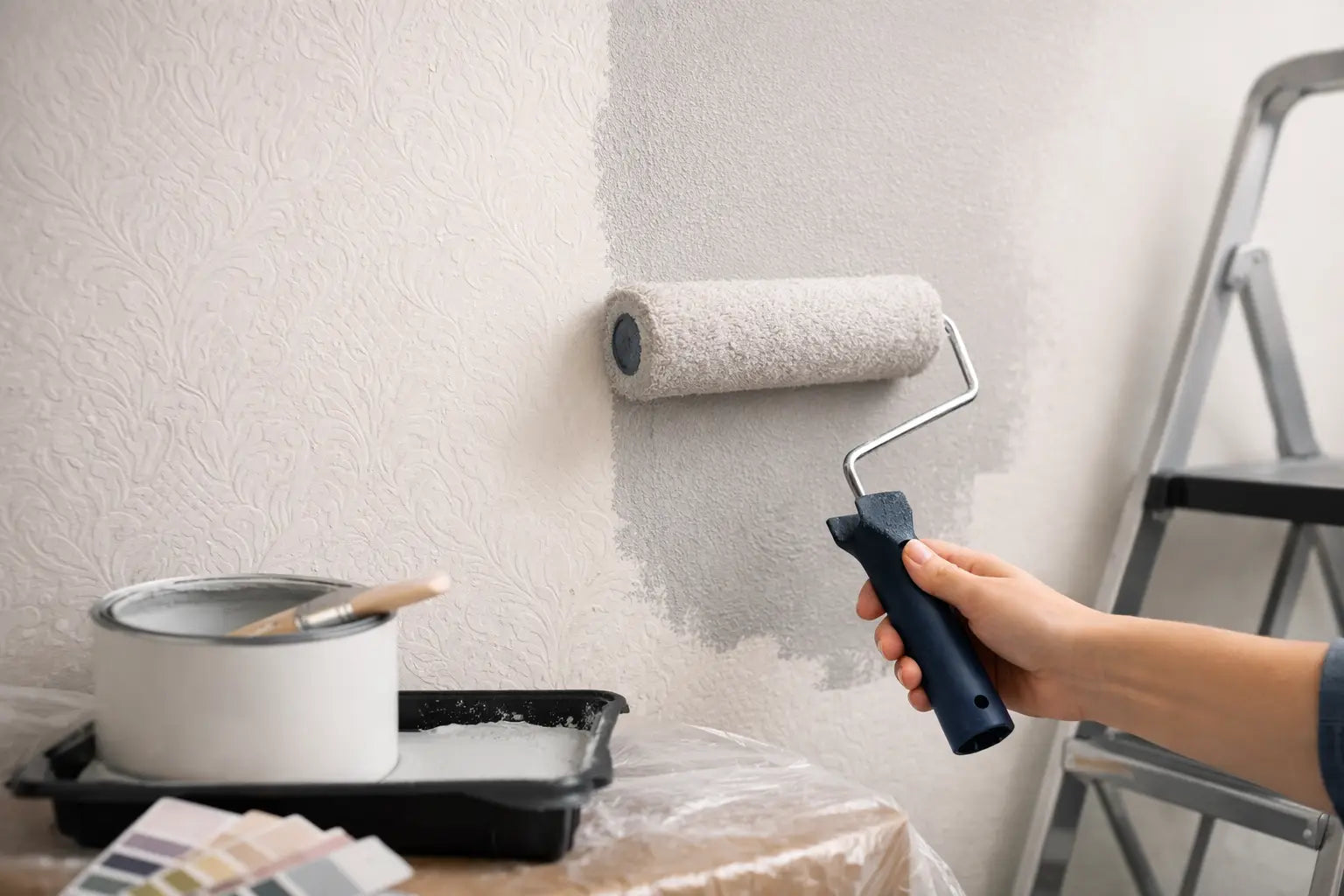
Flat paint can leave a room feeling finished but forgettable. Paintable wallpaper for walls changes that equation by adding texture first, then color, so the surface catches light, softens imperfections, and feels far more considered than a standard painted wall.
For homeowners who want something subtle but not plain, it fills a very specific gap. You get architectural interest without committing to a bold print, and you keep the freedom to choose the paint color that works with the rest of your room. That combination is exactly why paintable styles continue to appeal in entryways, dining rooms, hallways, powder rooms, and feature walls that need more presence.
What paintable wallpaper for walls actually does
Paintable wallpaper is designed with raised pattern and texture that can be painted after installation. Depending on the style, the effect can mimic beadboard, tin tile, plasterwork, linen, or carved motifs. Some designs read traditional and ornamental, while others feel clean and modern.
What makes it different from standard wallpaper is that color is not the main story at the point of purchase. Texture is. That shifts the decision-making process in a useful way. Instead of asking whether a print will dominate the room, you can focus on how much dimension you want and then finish it in a shade that suits your furnishings, trim, and lighting.
This is also why paintable wallpaper often works well in homes where people want character without visual clutter. In softer neutrals, the pattern can be understated and elegant. In deeper colors, the same wall can look more dramatic and architectural.
Why homeowners choose paintable wallpaper for walls
One of the biggest reasons is flexibility. If you have ever liked the idea of textured wallcovering but worried about being locked into one look, paintable wallpaper offers more room to adapt. You can repaint later if your style changes, which gives the wallcovering a longer design life than many people expect.
It also helps with less-than-perfect walls. That does not mean it can solve major damage or poor prep, but many textured paintable papers do a better job of disguising minor surface irregularities than flat paint alone. In older homes, that can make a noticeable difference.
There is also a practical design benefit. Paintable wallpaper introduces depth without adding another color or busy motif to the room. If your furniture, art, rugs, or drapery already carry a lot of visual interest, a textured painted wall can support the space instead of competing with it.
For shoppers looking for a finish that feels elevated yet approachable, this category sits in a sweet spot. It is decorative, but not demanding.
Where it works best
Paintable wallpaper tends to shine in spaces where light can skim across the surface and reveal the pattern. Hallways, foyers, stair walls, dining rooms, and powder rooms are especially strong candidates because those areas benefit from extra detail. A textured wall in a powder room, for example, can make a compact space feel tailored and memorable.
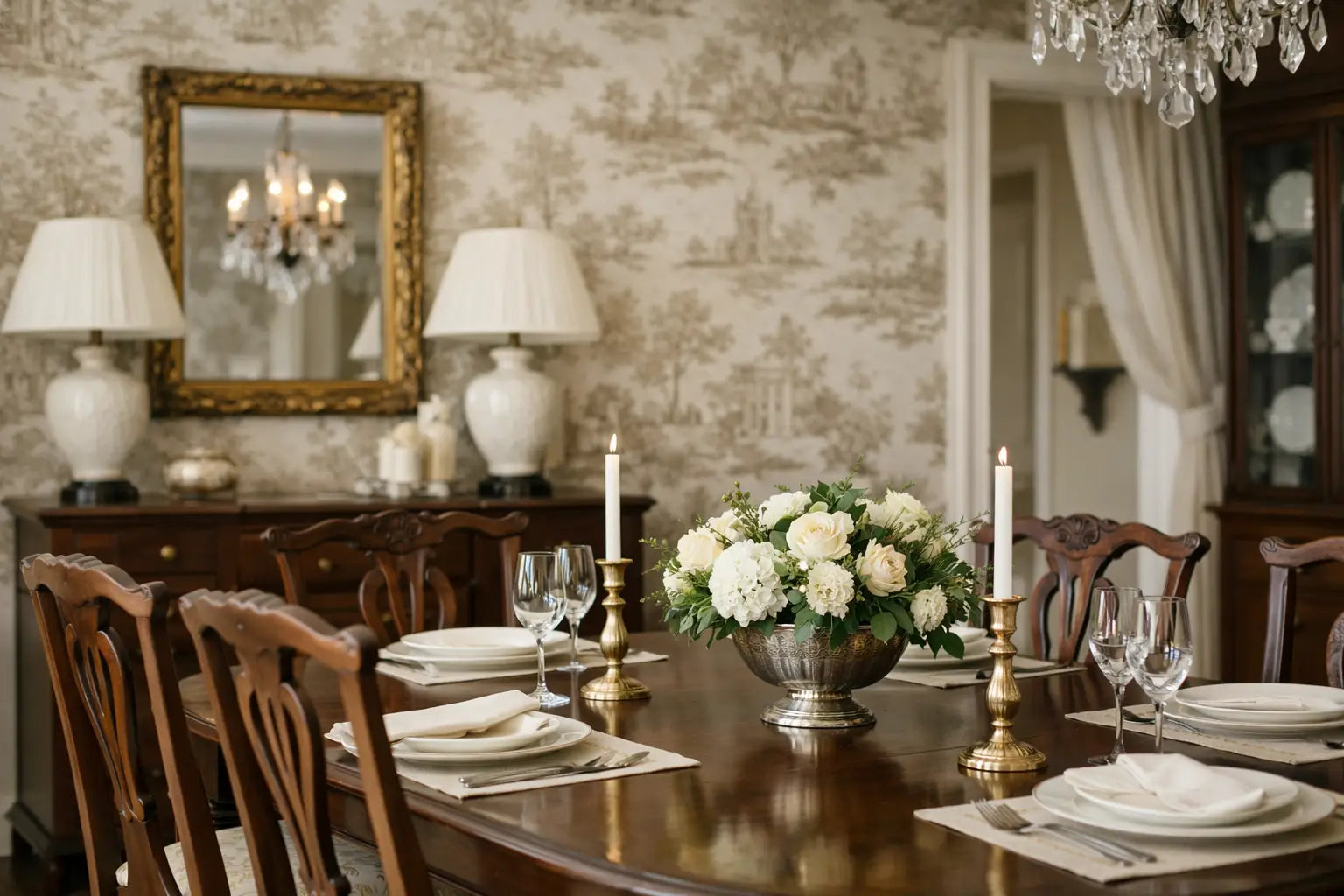
Bedrooms can also work beautifully, particularly behind the bed as a feature wall. In dining rooms, paintable wallpaper can create a more finished backdrop without introducing a print that limits future changes in upholstery or décor.
That said, not every room calls for it. In very busy spaces with lots of wall interruptions, cabinets, or open shelving, the effect may get lost. And in rooms with high moisture exposure, product selection matters. Some paintable options are better suited to certain environments than others, so the room should guide the material choice.
The style range is wider than many shoppers expect
A common misconception is that paintable wallpaper is only for traditional interiors. Some patterns absolutely lean classic, especially damasks, beadboard looks, and embossed motifs inspired by historic millwork. But the category is much broader than that.
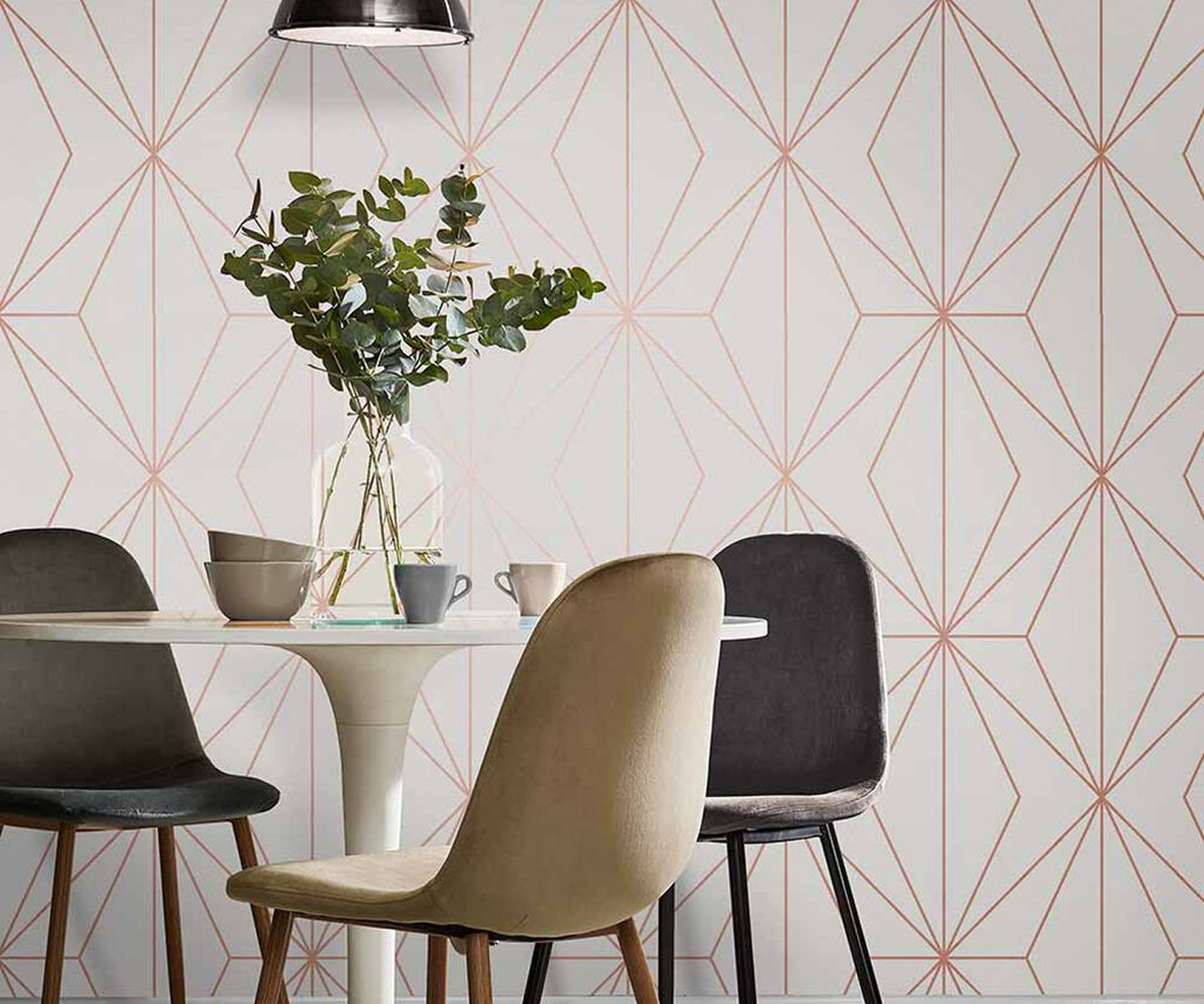
Linear textures can feel tailored and contemporary. Geometric embossing can bring a crisp, modern rhythm to a wall. Faux plaster and linen effects sit comfortably in transitional spaces. Even more decorative patterns can look current when finished in a restrained paint color.
The key is to think about scale and relief. A bold, deeply embossed design will read differently from a fine allover texture once it is painted. If you want a quieter result, choose smaller patterning and softer depth. If the goal is a feature wall with strong personality, a more sculptural design can deliver that.
Installation and paint: what to expect
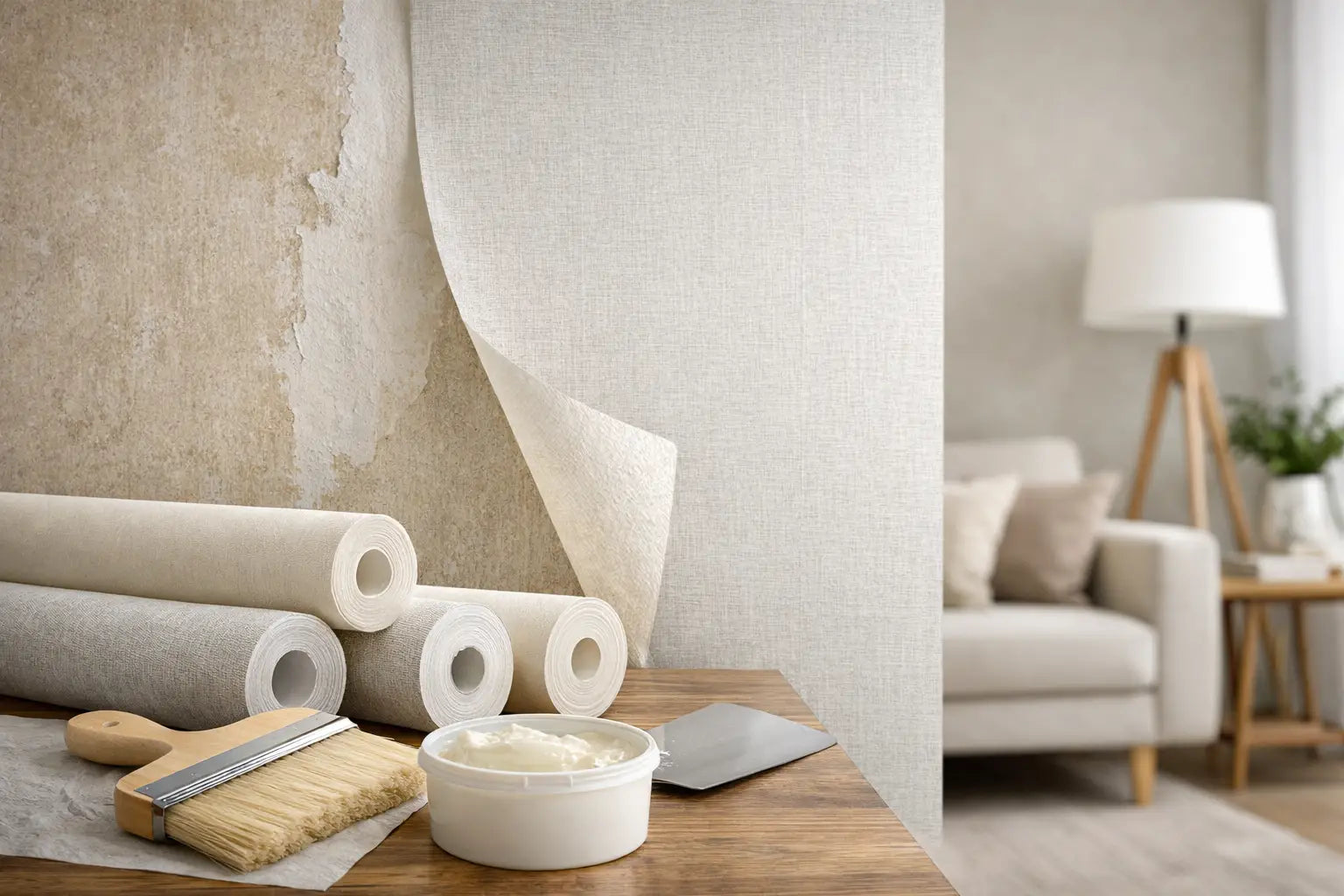
This is where expectations matter. Paintable wallpaper is not difficult in concept, but the finished result depends on proper prep, careful hanging, and thoughtful painting. Walls need to be clean, sound, and as smooth as practical before installation. Texture can disguise small flaws, but it will not magically correct poor wall conditions.
After hanging, the wallpaper usually needs time to set before painting. The paint itself needs to cover both the face of the design and the recesses of the embossing, so application technique matters. A brush, roller, or sprayer may be used depending on the pattern and the desired finish. Some deeply textured styles require extra care to avoid thin spots.
Sheen also changes the look. Flat and matte paints create a softer, more understated effect. Eggshell or satin can highlight the texture more noticeably because of the way light reflects off the raised areas. Neither is automatically better. It depends on the room and the mood you want.
If you are investing in a standout wall treatment, this is one area where taking your time pays off.
The trade-offs to know before you buy
Paintable wallpaper has real advantages, but it is not the answer for every project. If you want instant pattern and color out of the roll, a traditional wallpaper may be a better fit. Paintable styles ask for an extra step, and that means more time between purchase and finished room.
There is also a design trade-off. Because the interest comes from texture rather than printed color, the effect is often more subtle than shoppers initially imagine, especially in pale paint shades. That can be a strength if you want something refined. If you are looking for bold visual drama from across the room, a colorful patterned wallpaper may create a bigger impact.
Removal can also be more involved once wallpaper has been painted, depending on the product and installation conditions. If frequent redesign is part of your plan, it is worth weighing that against your long-term goals for the space.
In other words, paintable wallpaper is a smart choice when you want texture, flexibility, and a custom-painted finish. It is less ideal when speed or instant graphic impact matters most.
How to choose the right one for your room
Start with the role of the wall. Is it meant to disappear into the room gracefully, or should it act as a focal point? For a quiet backdrop, look for finer texture and lower-relief patterns. For a statement, choose something with more dimension or a more recognizable motif.
Then think about the architecture already in the room. Paintable wallpaper often looks best when it complements existing trim, paneling, or ceiling details. A beadboard-inspired design can reinforce cottage or traditional character. A clean geometric can sharpen a more modern interior. Matching the wallcovering to the home's visual language usually leads to a more intentional result.
Lighting deserves attention too. A heavily textured paper in a dim room may read flatter than expected, while the same paper in a bright hallway can look dynamic all day long. Samples are especially helpful here because texture is a tactile and light-sensitive decision. It is much easier to judge whether the pattern feels refined, rustic, formal, or modern when you can see its scale and relief up close.
For shoppers who want to compare options in person, seeing a broad range of paintable styles side by side can remove a lot of guesswork. That is one reason experienced wallpaper retailers remain such a valuable resource, especially for rooms where the finish needs to feel just right.
Paintable wallpaper for walls offers something many rooms are missing - texture with freedom. It lets you add depth, shape, and character while still making the final color your own, which is a thoughtful way to transform a space without overcomplicating it.