Celebrating 35+ Years

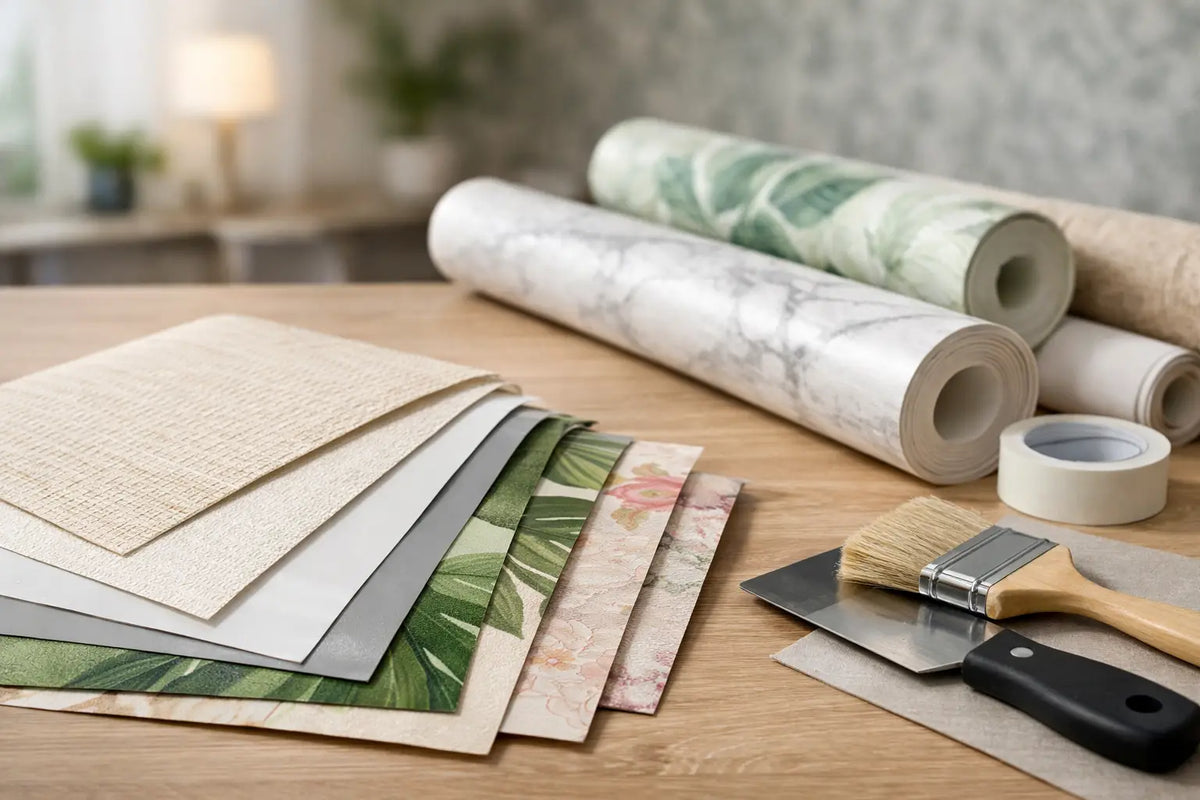
Guide to Wallpaper Substrate Types for Every Room
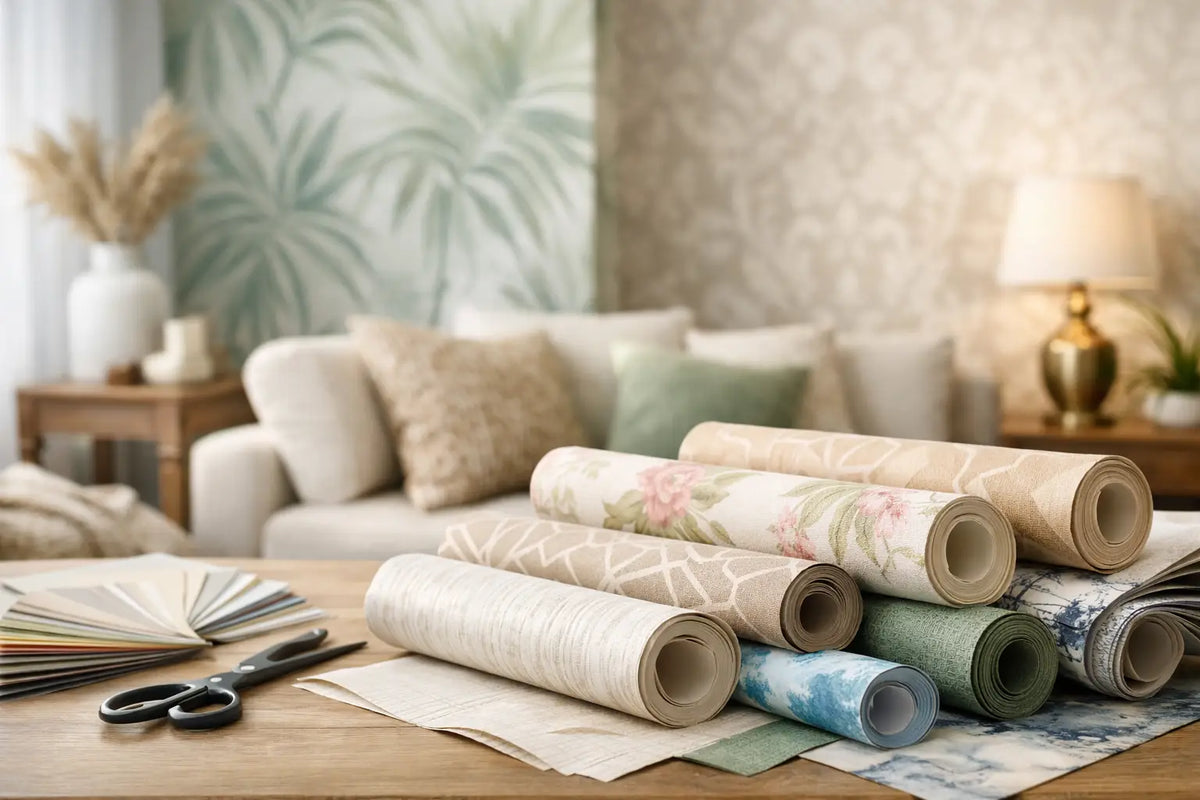
A wallpaper pattern may catch your eye first, but the material behind it determines how it feels on the wall, how it installs, and how well it lives in your home. This guide to wallpaper substrate types makes that behind-the-scenes choice much easier, whether you are refreshing a powder room, building a layered dining room, or choosing a quiet texture for a bedroom.
In wallpaper, “substrate” typically means the base material or backing that supports the decorative surface. It is different from the wall substrate, meaning the drywall, plaster, or paneling underneath. Both matter. The wallpaper material should suit the room, while a clean, smooth, properly primed wall gives that material its best chance to look beautiful for years.
Start With the Room, Then Choose the Material
There is no single best wallpaper substrate. A natural grasscloth can bring extraordinary depth to a formal living room, while a durable vinyl may be the smarter choice for a hardworking entry or bathroom. Think about moisture, daily traffic, sunlight, wall condition, and the level of texture you want before narrowing down color or pattern.
For a low-traffic bedroom or dining room, you have more freedom to choose delicate papers and tactile finishes. In a busy family space, a wipeable surface may be worth prioritizing. If you are covering imperfect walls, a heavier or more dimensional material can be helpful, although deep flaws should still be repaired before installation.
Guide to Wallpaper Substrate Types
Non-Woven Wallpaper
Non-woven wallpaper is a favorite for good reason. Made from a blend of synthetic and natural fibers, it is breathable, stable, and often easier to install than traditional paper. Many non-woven designs are paste-the-wall, which means adhesive goes directly on the wall rather than on the back of each strip.
This substrate works beautifully across bedrooms, living rooms, hallways, and feature walls. It resists stretching when wet and is generally more forgiving during installation and removal than paper-backed options. For homeowners who want a polished finish without choosing a highly textured material, non-woven wallpaper offers an excellent balance of style and practicality.
Paper Wallpaper
Traditional paper wallpaper has a refined, classic character that suits everything from delicate florals to historic-inspired prints. It can deliver crisp color and fine detail, making it especially appealing in formal rooms, bedrooms, and spaces where the wallcovering is meant to feel decorative and special.
Paper requires careful preparation and installation. It can expand when pasted and may be less forgiving on uneven walls or in humid spaces. That is not a reason to avoid it. It simply means the room and wall condition should support the choice. In the right setting, paper wallpaper creates a timeless finish that paint cannot replicate.
Vinyl and Vinyl-Coated Wallpaper
Vinyl wallpaper is designed for durability. A vinyl surface makes it more resistant to moisture and easier to wipe clean, making it a natural fit for kitchens, bathrooms, mudrooms, laundry rooms, and high-traffic hallways. It is also a practical option for households with children or pets.
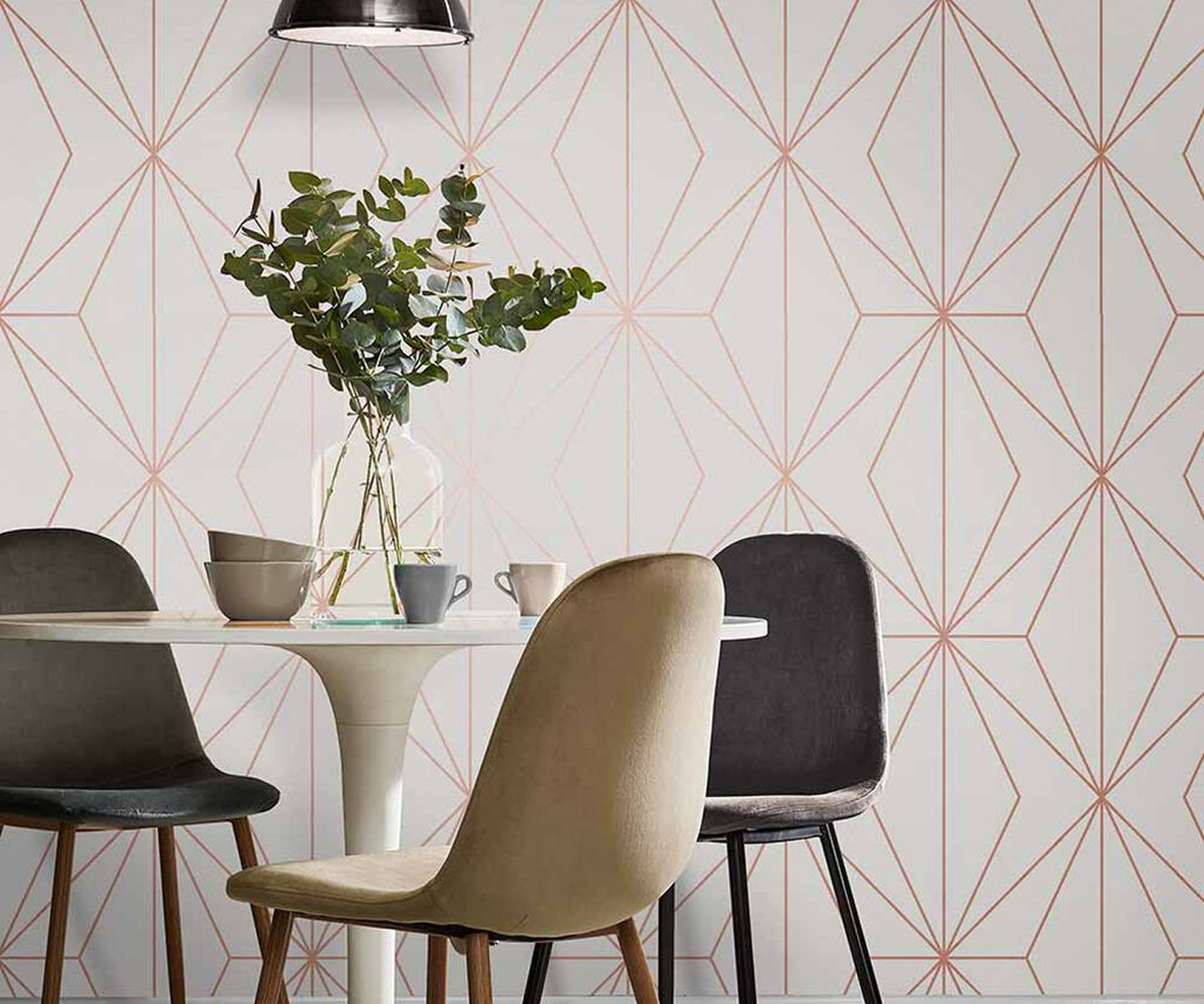
Not all vinyl wallcoverings perform the same way. Solid vinyl is typically the most resilient choice, while vinyl-coated papers offer some added washability with a lighter hand. The trade-off is that vinyl can feel less natural than grasscloth or paper, particularly in a room where texture is the main design goal. Fortunately, today's patterns range from subtle linens to bold geometrics, so practical does not have to mean plain.
Grasscloth and Other Natural Fibers
Grasscloth brings warmth that is difficult to imitate. Made from natural fibers such as grasses, jute, sisal, or hemp, it has visible variation, rich texture, and an artisanal quality that can transform a room with very little pattern. It is especially striking in dining rooms, studies, bedrooms, and sophisticated living spaces.
Natural variation is part of grasscloth's appeal. Seams may be visible, and each panel can vary in tone or weave. Those characteristics are not defects - they are evidence of a natural material with real dimension. Grasscloth is usually not the right choice for splash-prone or very humid areas, and it should not be scrubbed. Consider it for spaces where touch, depth, and visual warmth matter more than easy cleanup.
Cork Wallpaper
Cork wallpaper offers a similarly organic effect with a distinctive, lightly structured surface. It can range from quiet and neutral to dramatic and metallic, depending on the finish. Its natural texture makes it a strong choice for a feature wall, office, powder room, or dining area where you want something more unexpected than a printed pattern.
Like other natural materials, cork can show variation from panel to panel. It benefits from a carefully prepared wall and thoughtful installation, particularly around seams and corners. The reward is a finish that feels collected, tactile, and truly personal.
Paintable Wallpaper
Paintable wallpaper gives you texture with complete color freedom. Available in raised patterns such as beadboard, tin tile, linen, damask, or geometric motifs, it can be painted to coordinate with trim, cabinetry, or a favorite wall color. It is a smart option when you want a decorative surface without committing to a pre-printed palette.
This type is useful for feature walls, ceilings, powder rooms, and renovation projects where subtle architectural detail is the goal. Choose a quality paint suitable for the space, especially where humidity is a consideration. Because the texture does much of the visual work, a single rich color can be just as effective as a more dramatic contrast.
Flock and Crystal Beaded Wallpaper
For rooms that call for a little theater, flock and crystal beaded wallpapers bring a memorable finish. Flock wallpaper features a raised, velvety pattern that creates a luxurious, old-world effect. Crystal beaded styles catch the light and add shimmer, making them especially appealing in powder rooms, dressing areas, formal bedrooms, and accent walls.
These decorative substrates are best treated with care. They are not intended for heavy scrubbing or damp, high-use spaces. Their value lies in their surface detail, so consider lighting before you commit. A wall that receives soft lamp light or a touch of daylight can make these finishes feel especially dimensional.
Match Installation Needs to Your Project
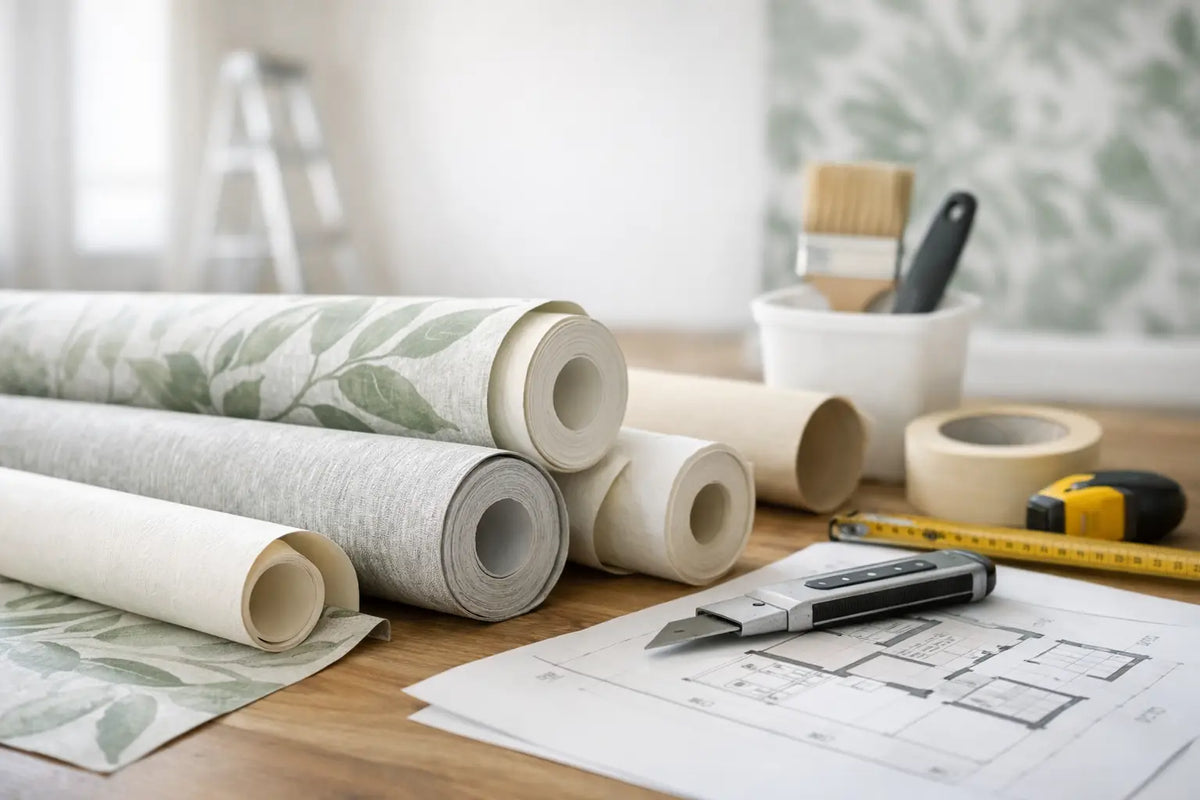
The substrate affects more than appearance. It also influences adhesive choice, booking time, trimming, seam visibility, and removal later. Always follow the manufacturer's instructions for the specific wallcovering, even if you have installed another type before. A grasscloth and a non-woven may look equally beautiful in a sample book, but their installation requirements can be quite different.
Wall preparation is the common ground for every substrate. Repair holes and cracks, remove old adhesive, clean away dust and grease, and use the recommended wallpaper primer. Primer helps create an even surface, improves adhesion, and can make future removal less difficult. In older homes, textured walls may need to be skim-coated for smooth paper or metallic finishes.
Sampling is equally valuable. View a sample vertically on the intended wall, then look at it in morning, afternoon, and evening light. Natural fibers, metallic details, and deep colors can shift dramatically as light changes. A sample also lets you feel the material, which is often the deciding factor between a smooth non-woven print and a textured wallcovering.
Choose a Finish You Will Enjoy Living With
A beautiful wallpaper should fit real life as well as your design vision. Choose vinyl when cleanability leads the conversation. Choose non-woven for versatile, approachable style. Bring in grasscloth, cork, flock, or beaded finishes when texture is the statement. Choose paintable wallpaper when you want architecture and color to work together.
At Wallpaper and Stuff, seeing materials in person can make the decision feel far more confident, especially when comparing texture, scale, and color. The right substrate is not just the backing of a beautiful pattern. It is the detail that helps your walls look considered, feel personal, and stay suited to the way you live.